

 Suche
Suche
 Mein Konto
Purity as a trump card
Shell uses purePlus Technology to set the benchmark when it comes to engine cleaning.

Purity as a trump card
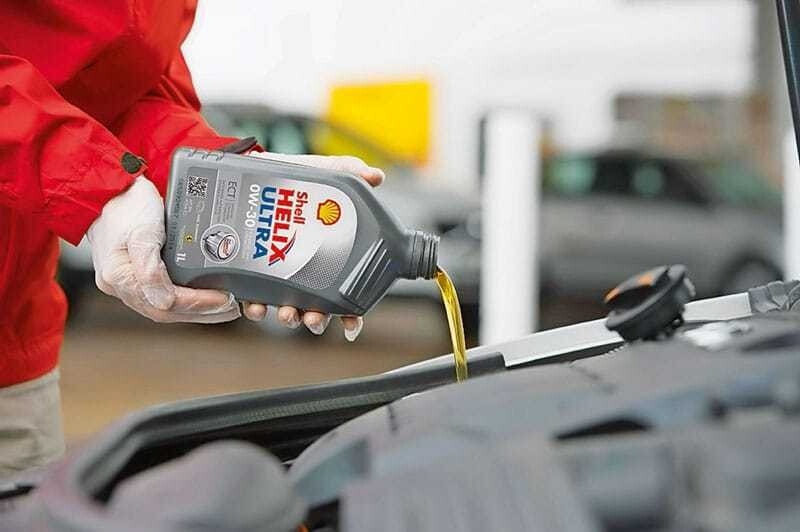
Shell's idea is actually obvious: Instead of extracting base oils from crude oil, which is heavily contaminated and has to be cleaned in many steps, the lubricant manufacturer produces its base oils from natural gas in an extremely complex process. Shell has been researching “gas-to-liquids” technology (GTL for short) for over 40 years and is currently the only manufacturer to convert gas into liquid hydrocarbons using a chemical process.
The advantage: GTL base oils are very light. In the lubricants industry, the rule of thumb applies: the lighter the base oil, the purer it is. The GTL process is based on the Fischer-Tropsch synthesis, which was developed by two German scientists in the 1920s.
Research Emperor
Shell has been further developing this process since 1973 and to this day holds more than 3,500 patents. The GTL base oils are produced in Qatar and then sent to the three GTL distribution centers in Houston, Hong Kong and Hamburg to be further processed into Shell Helix Ultra engine oils with PurePlus Technology. According to Shell, Helix contains active cleaning molecules that prevent performance-reducing deposits and thus ensure good engine response. By the way: Stell says it invests more in research and development than any other international energy company, at $1.1 billion per year.