

 Suche
Suche
 Mein Konto
New load capacity identifier HL”
To reflect the current vehicle development trend, Continental has introduced a new load index identifier specifically for SUV and electric models.

New load capacity identifier HL”
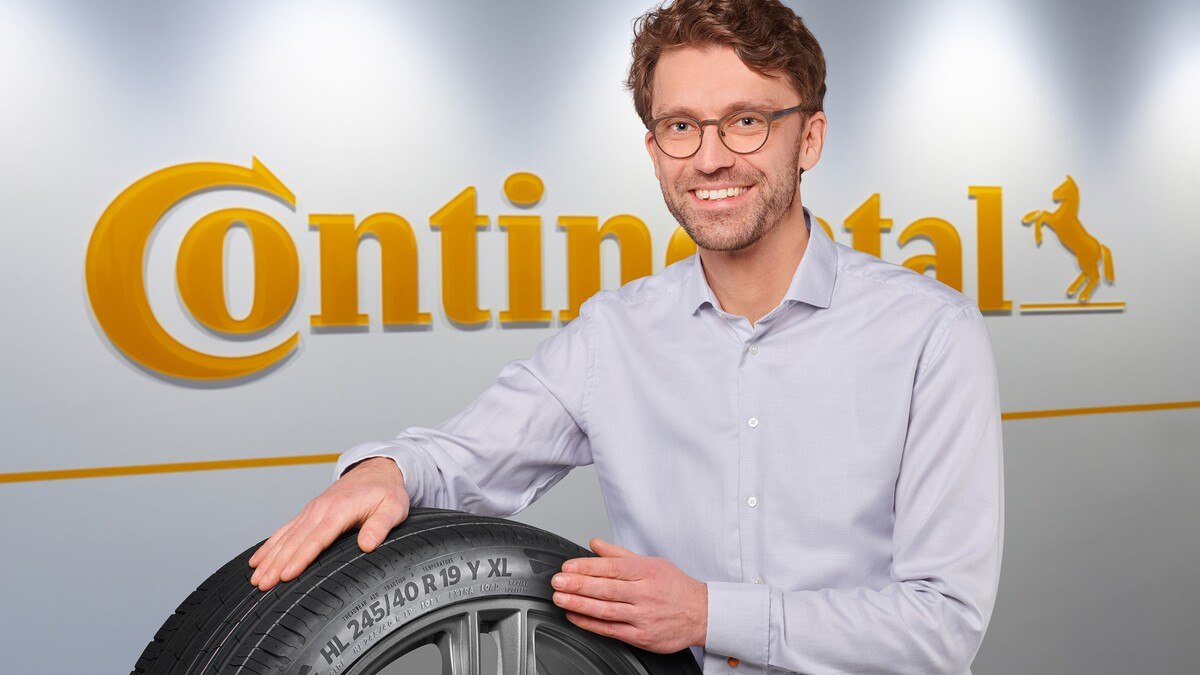
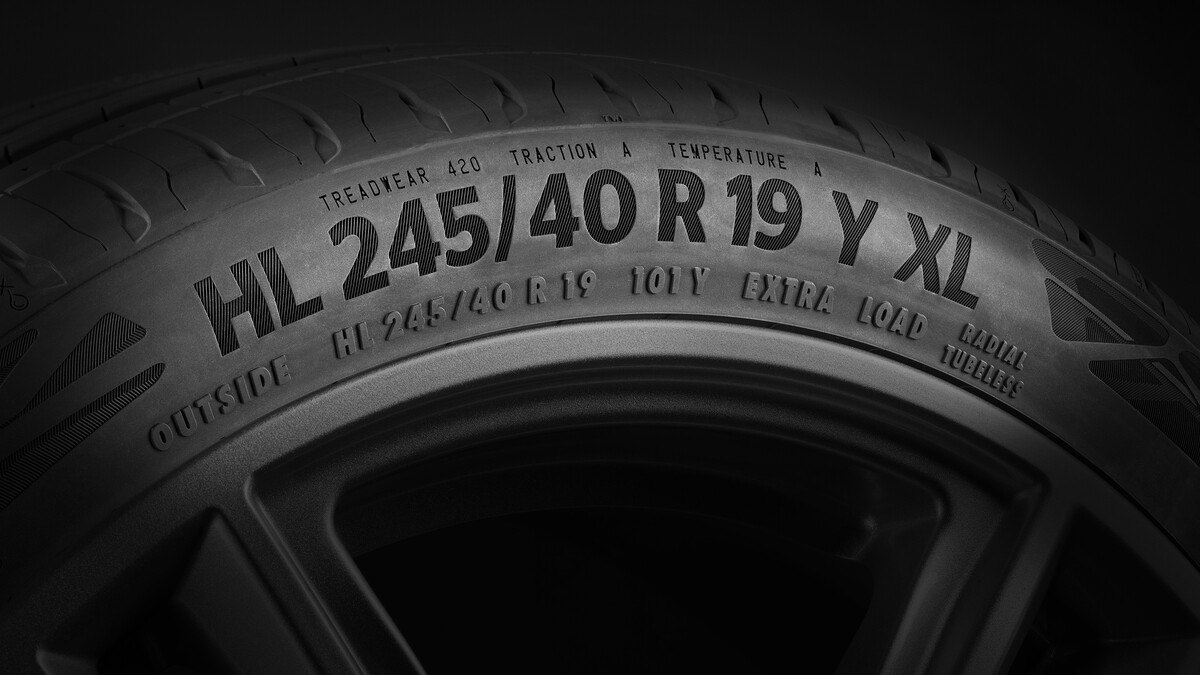
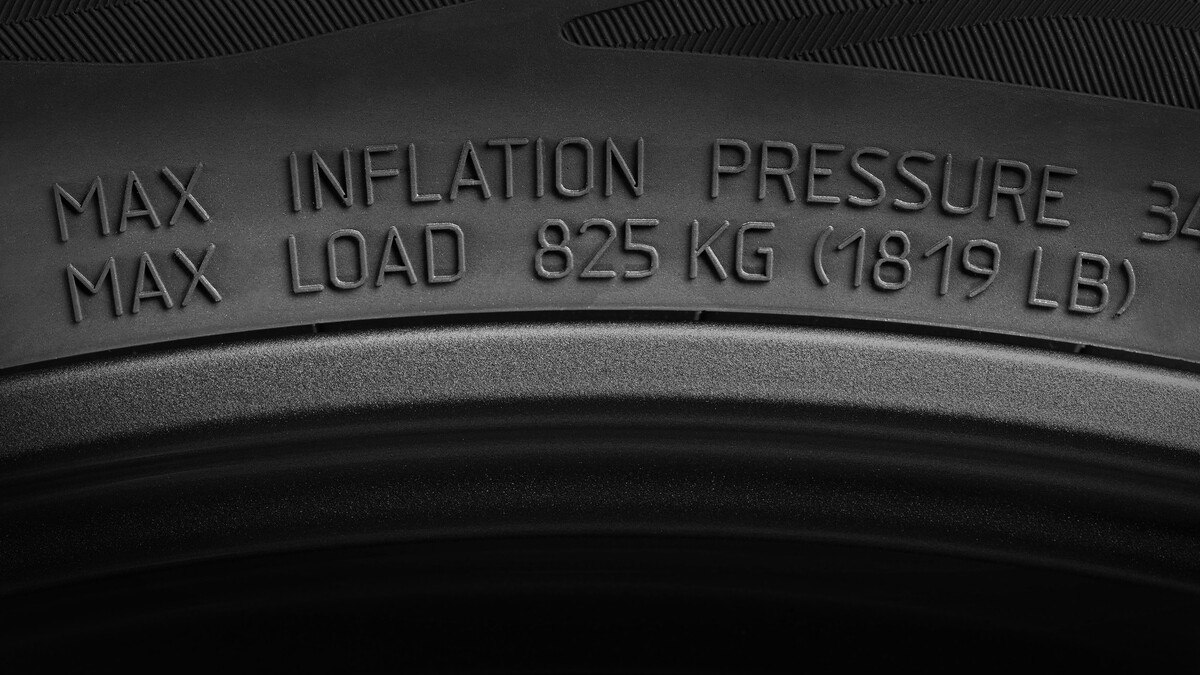
Large, well-engined passenger cars and SUV models with electric or hybrid drives put significantly more weight on the road than conventional vehicles. At the same time, the vehicles offer limited space for larger tires with higher load capacities. Therefore, Continental is now producing the first passenger car tires with the new “HL” load index designation. These tires have a higher load capacity at the same inflation pressure than those with the previously common “XL” standard.The products with the new maximum load capacity have the identifier “HL” BEFORE the dimension designation.such as “HL 245/40 R 19 101 Y XL”. The load capacity of this HL tire is 825 kg (load index 101), which corresponds to oneTen percent increasecompared to the well-known XL standard with 750 kg (load index 98). Car tires of this size with the “SL” standard, which is sufficient for many vehicles up to the upper middle class, can be loaded with a maximum of 670 kg (load index 94). This means that the tires of the new standard have a load capacity that is almost a quarter higher.Continental expects that demandthe vehicle manufacturer is looking for tires with the new HL standardwill increase in the future.
In order to increase the load capacity and at the same time meet customer requirements, various changes to the tire structure and tire compound were necessary.“We are talking about conflicting goals that need to be resolved at a very high level,”explains Stefan Habicht, who leads the project to develop these tires at Continental."In the design, we reinforced the bead and gave the tire an improved contour that reduces rolling noise. We also optimized the tread compound. This enabled us to achieve low rolling resistance, ensure precise handling and keep mileage at the usual high level."
Continental is currently producing the first tires with the new HL standard for original equipment, and they will also be available in replacement shops.