

 Suche
Suche
 Mein Konto
Liqui Moly: The art of addition
Base oils are important, but only the right additive formula turns lubricants into high-tech products. We spoke in detail with DAVID KAISER, Head of Research and Development at Liqui Moly, about the meaning and benefits of additives.

Liqui Moly: The art of addition
Automotive industry: Mr. Kaiser, in addition to its lubricants, Liqui Moly also offers additives for subsequent mixing with oils, fuels and the cooling circuit. Can positive effects be proven?
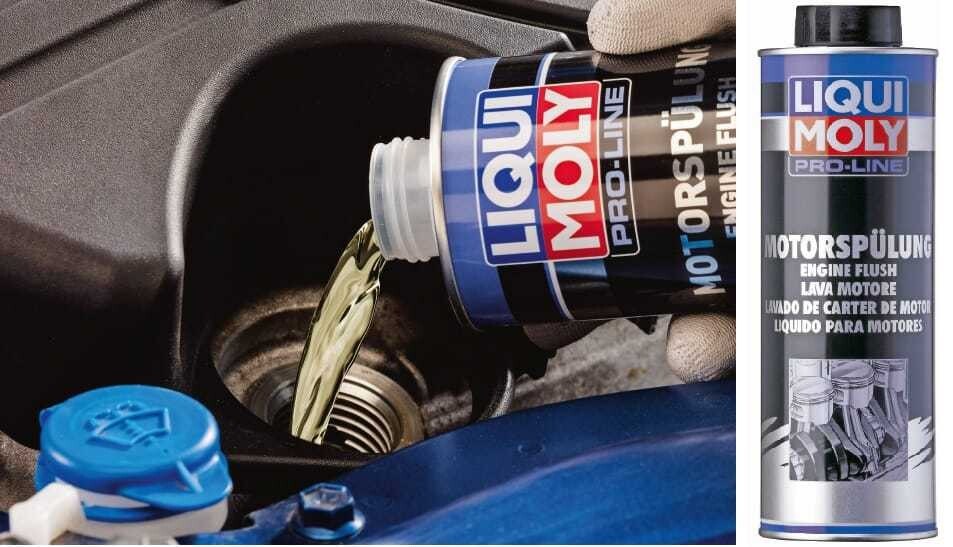
David Kaiser:Yes, definitely. We consciously use additives as chemical tools. For example, our engine flushing. It contains various additives that, among other things, increase the dirt-dissolving capacity and reduce the viscosity of the lubricant in order to really get all impurities, residues and oil sludge out of the engine. However, this additive does not remain in the engine permanently, but only during use until the new engine oil is filled into the cleaned engine.
What else can you do with additives?
We also have problem-solving additives and preventive additives in our range. The oil loss stop additive adds plasticizers to aged seals to close the smallest leaks. Preventative products like our Ceratec offer, above all, increased wear protection and have a long-lasting effect: up to 50,000 kilometers.
Automotive Industry: Finally: Can you currently identify an additive trend?
Yes, engine flushes are definitely trendy. In Germany they cost around 20-30 euros extra when changing the oil, and it's definitely worth it in terms of half-life.
Automotive industry: Manufacturers point out in the instructions for use that subsequent addition of additives can void the manufacturer's warranty. How does Liqui Moly deal with this?
This is how the manufacturers protect themselves, which is not unusual since it is hardly possible to release individual additives and manufacturers. If damage actually occurs when using our additives - and they are responsible for the damage - then our product liability insurance will of course step in and cover the costs. Our B2B and end customers are therefore protected.
Automotive industry: Lubricants must meet manufacturer specifications, otherwise they are not approved for the respective vehicles. Why add additives to approved oils?
The specification represents the minimum level of quality and skill of an oil. Most premium lubricants exceed the manufacturer's specifications. However, the oil or fuel can be adjusted to personal preferences using additives. For example, if you drive a lot of short distances, you will experience higher wear and tear. Here, anti-wear additives can increase engine life. Additives are like nutritional supplements for our body: lifestyle-related vitamin deficiencies can, for example, be compensated for selectively with tablets. Additives are the same for lubricants and fuels.
“Additives can be used to adapt the oil or fuel to personal preferences.”DAVID KAISER, LIQUI MOLY
Automotive Economy: Subsequently added additives can change the formulation of the lubricant added. Is this a danger to the engine?
No, because our additives are randomly tested with all different formulations. In addition, solid additives such as our MoS2 do not interfere with the formulation and therefore do not pose a danger to the engine oil contained. We also only use very small additive particles - ten times smaller than normal engine oil particles - so that they do not get stuck in the oil filter and actually reach where they are needed.