

 Suche
Suche
 Mein Konto
Banner shows how battery market works
The battery manufacturer Banner invites you to a press workshop and provides deep insights into the European BATTERY MARKET and the handling of lead-acid batteries.

Banner shows how battery market works
BY PHILIPP BEDNAR
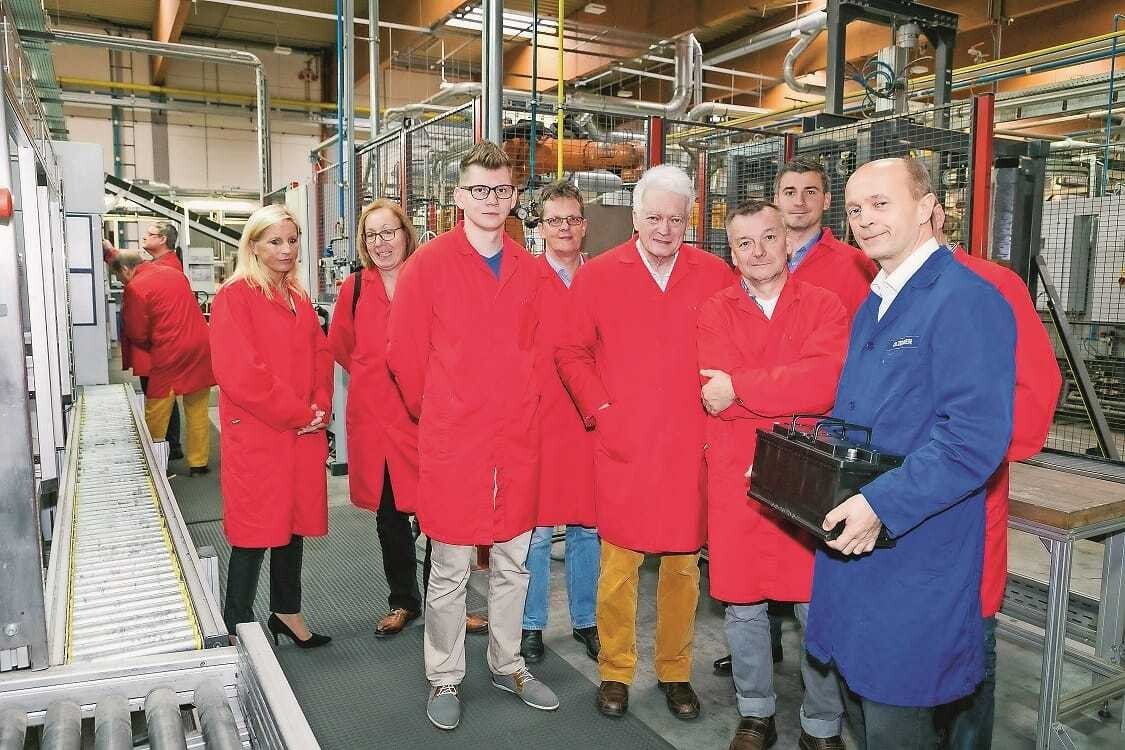
Everyone is talking about the lithium-ion battery. Of course, it is considered the benchmark in electric cars. Franz Märzinger, Head of Marketing and Sales at Banner, points out: “Every electric car also has a conventional lead-acid battery installed.” And Märzinger is convinced that this will not change any time soon, as the normal 12-volt electrical system is well supplied. In general, Märzinger leaves no room for doubt about the lead-acid battery: "A modern lead-acid battery can be completely recycled to over 99 percent. This means that the recyclability is higher than with glass and paper. Lead is significantly better than its reputation." Exciting: The battery market was highly competitive internationally. Acquisitions of small, regional manufacturers have led to a certain concentration, especially in Europe, where Banner is currently in fourth place. Over the next five years, the company wants to sell six million batteries a year; it is currently selling 4.5 million. In order to increase capacities, a lot of money has been invested in expanding the factory for years. Around 30 percent of Banner's 272 million euros in sales comes from original equipment, but the majority comes from aftersales.
CAREFUL HANDLING
Christian Zenger, head of technical training, explains what retailers should pay attention to when dealing with batteries: "In wholesale, batteries are stacked on pallets. We recommend keeping the storage time as short as possible, as the batteries slowly discharge over time. The charge should always be checked before installation at the customer's premises. We do not recommend installing a battery with less than 12.5 volts." Why? Because the battery could then - depending on the customer's driving profile - be too weak to start confidently. An example: The battery is required the most during the starting process. Depending on the driving profile, around ten kilometers have to be driven in a row in order to feed the energy back into the battery through the alternator that was only used up during the starting process. Short journeys put a lot more strain on the battery. When working on the car in the workshop, the battery should always be supported by a charger. Pleasing: Fewer and fewer customers are changing their batteries themselves. This means that specialist workshops have new opportunities for additional income or, if you offer it as part of the battery sale, you don't have to go crazy with the battery price because a service (= installation) is included.
START-STOP
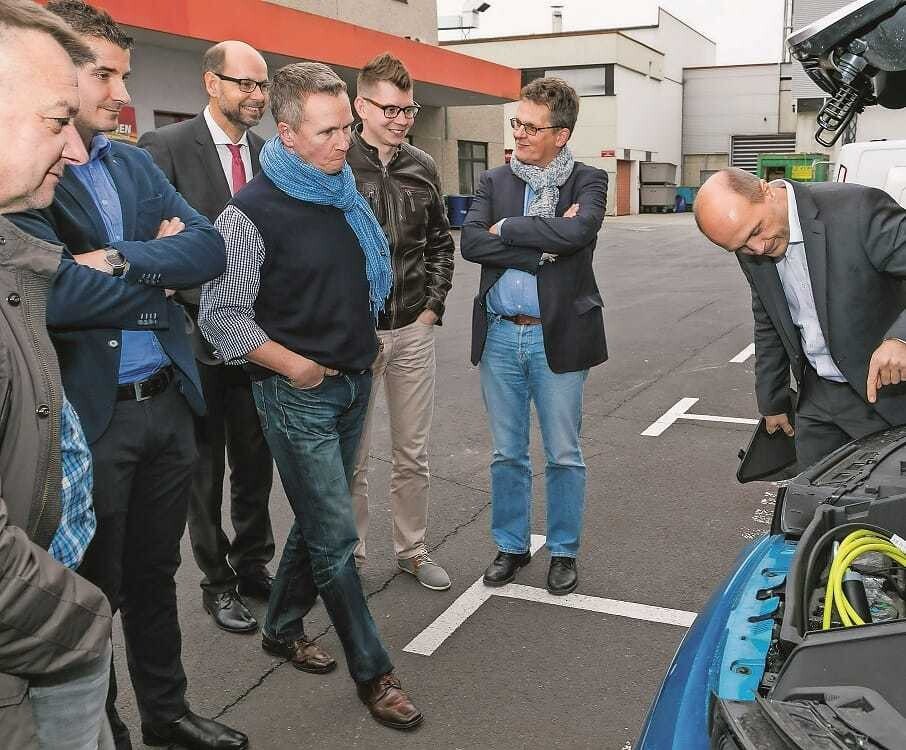
Zenger warns that you shouldn't install a wet battery in a start-stop car model. The AGM and EFB batteries are ideal for this. AGM technology is the best, while EFB technology is slightly cheaper. Banner relies on a three-stage product chain based on the “Good, Better, Best” principle. The aim is to serve customers – depending on their financial possibilities – from inexpensive entry-level models to premium products.