

 Suche
Suche
 Mein Konto
Test Suzuki Katana - 1980s Reloaded
The new edition of the Suzuki Katana caused a lot of excitement last winter. Now the retro bike is finally here. What can I say: visually it's pretty out of date, but in terms of driving it's extremely casual. A divided test report.

Test Suzuki Katana - 1980s Reloaded
ergonomics
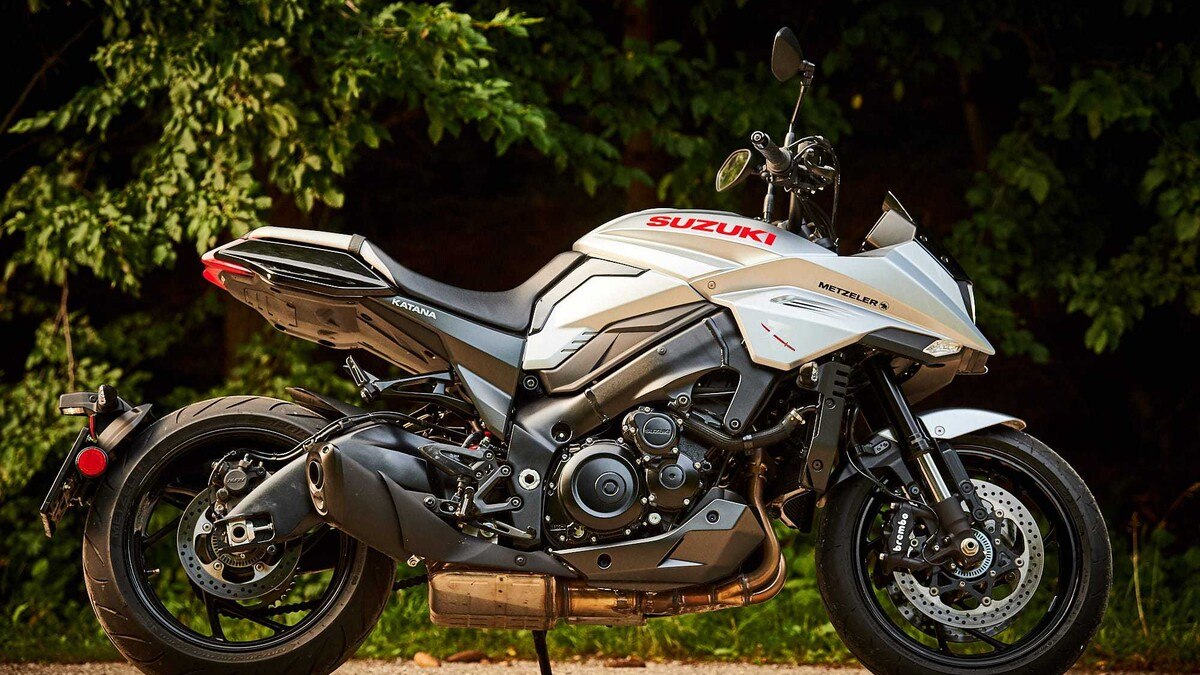
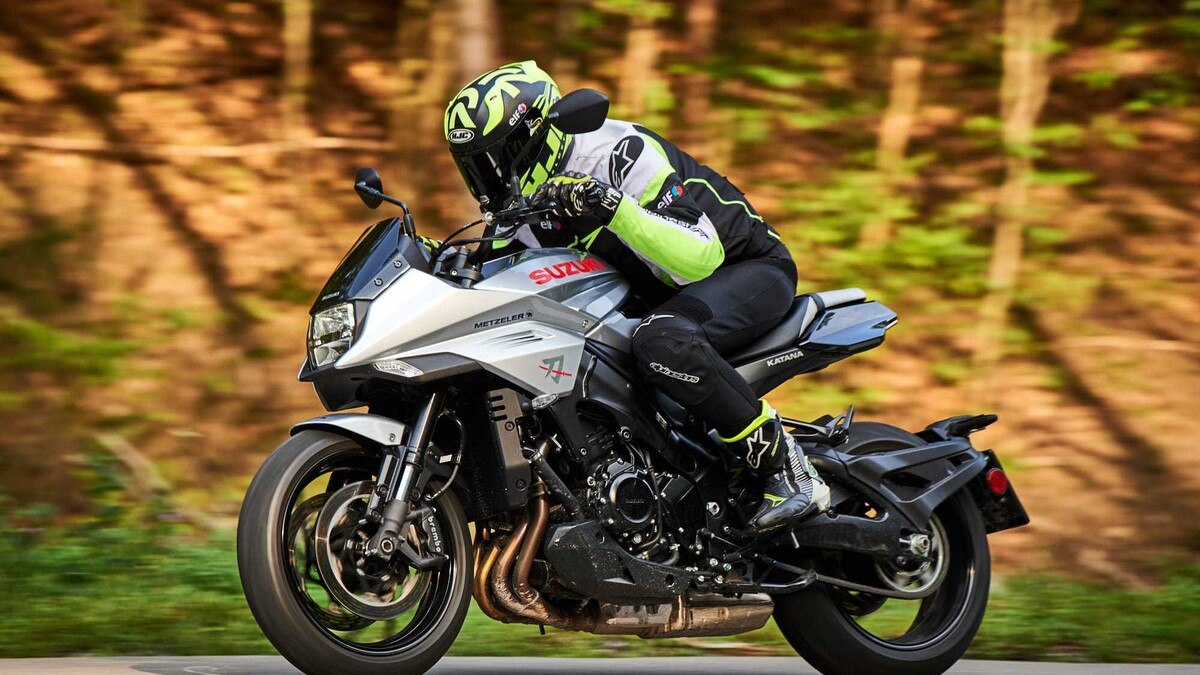
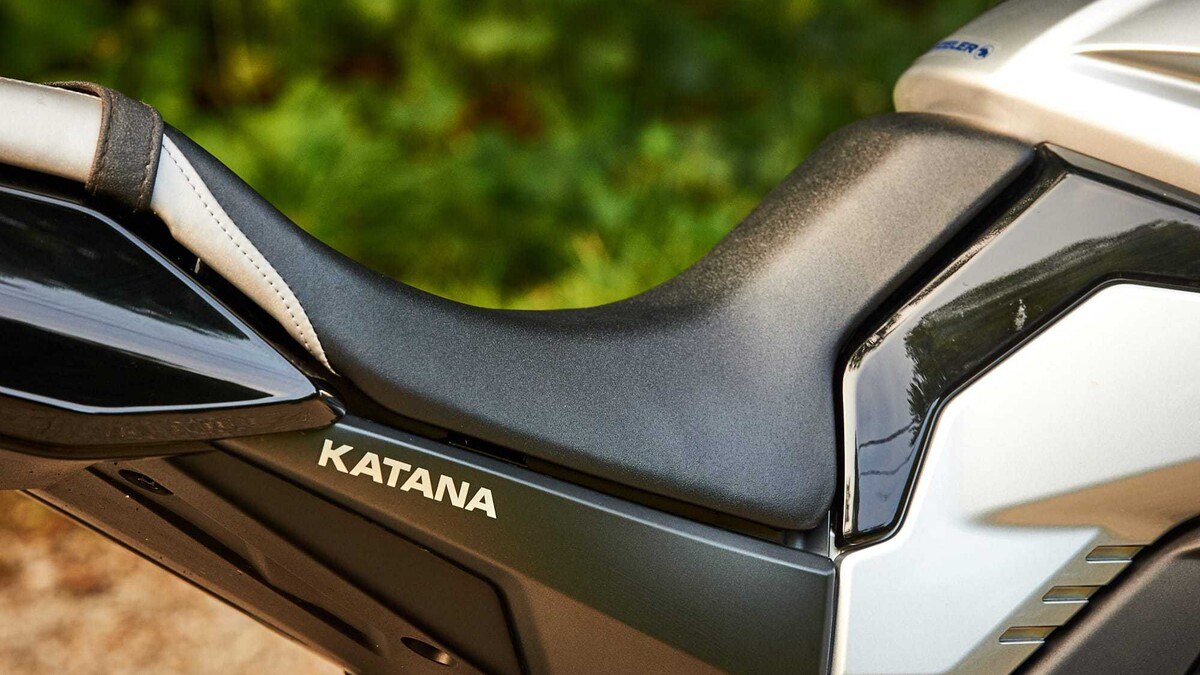
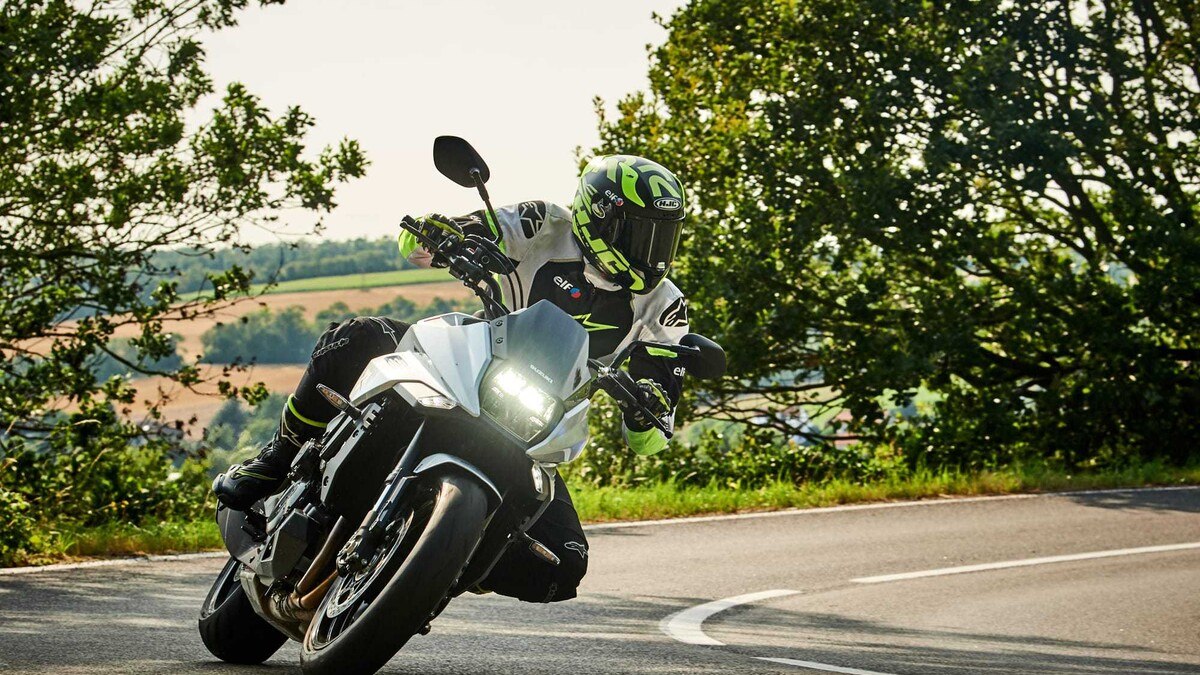
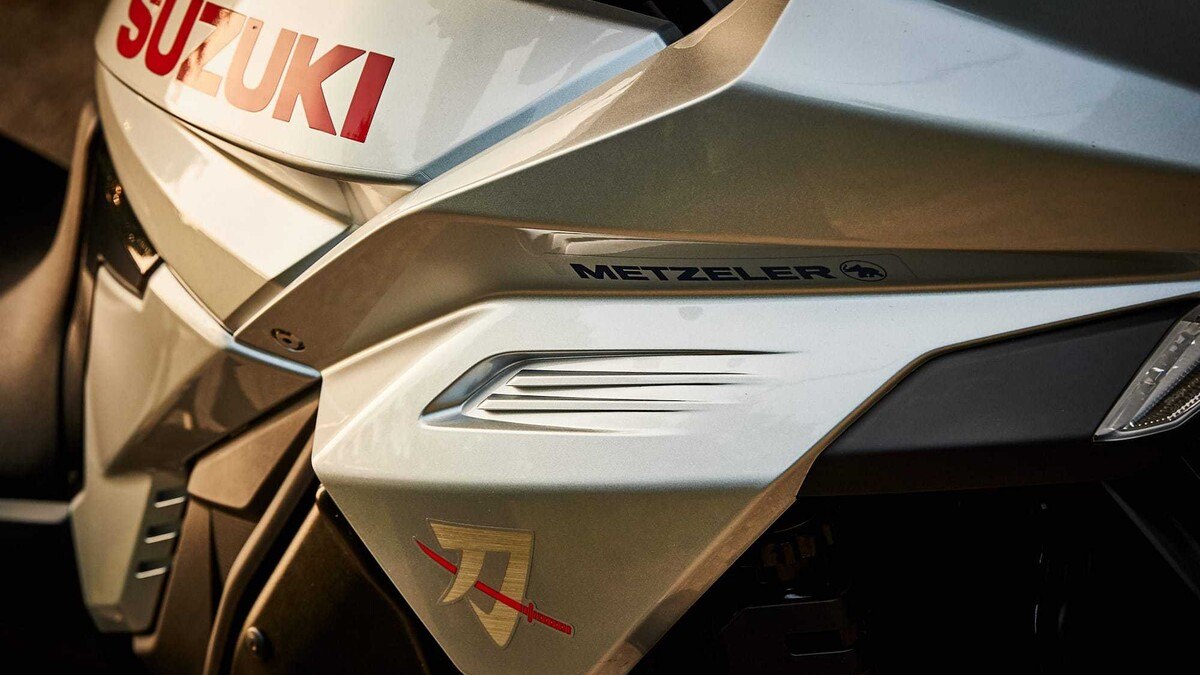
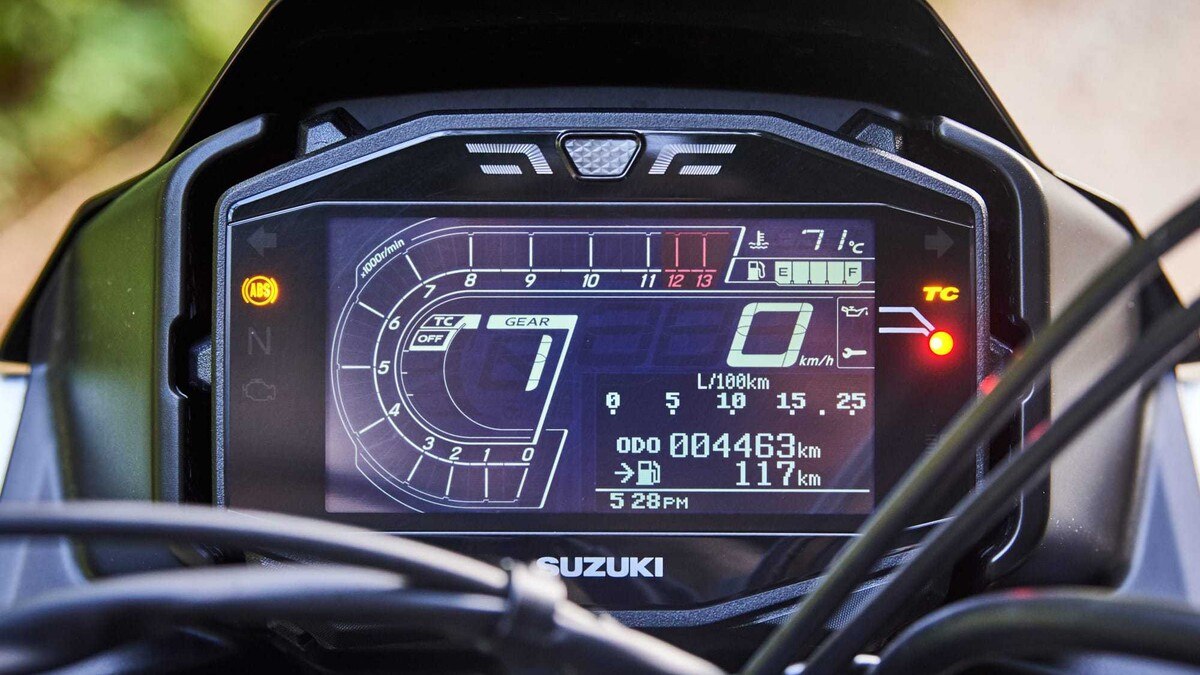
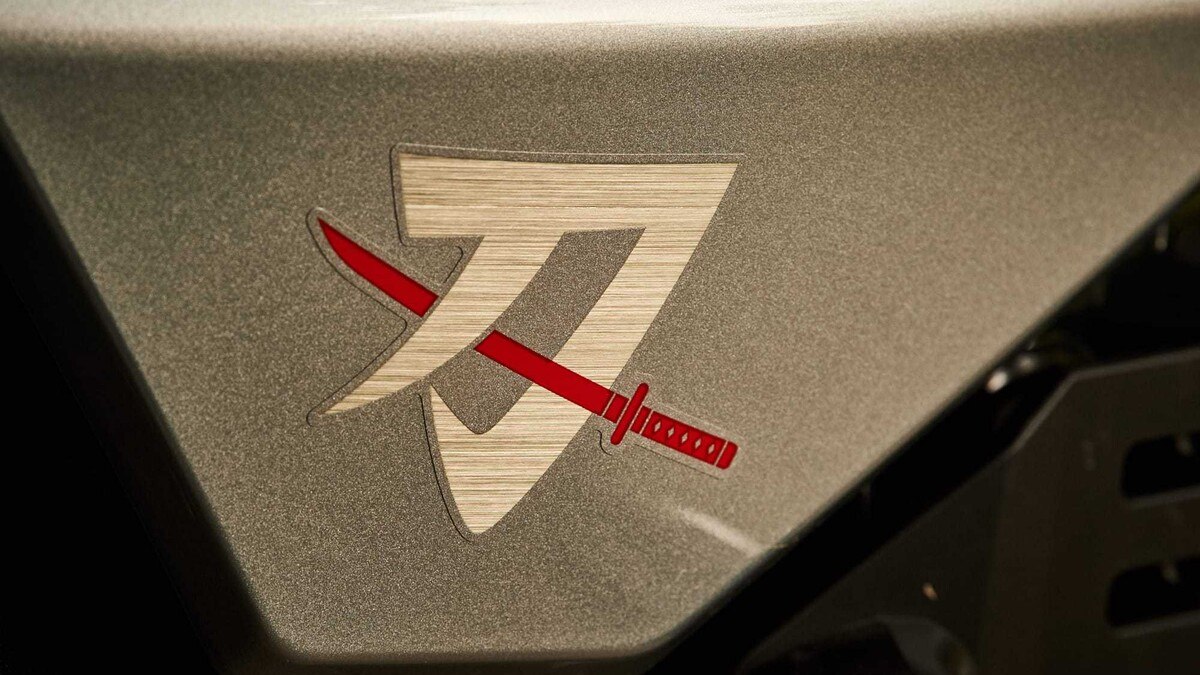
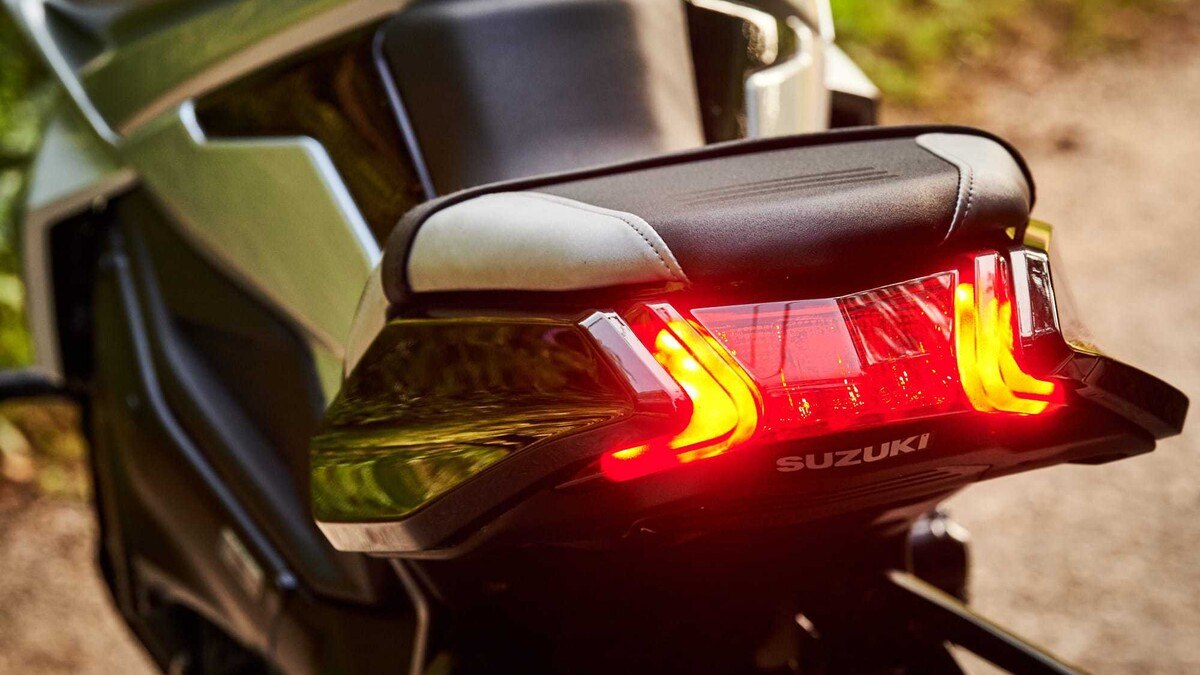
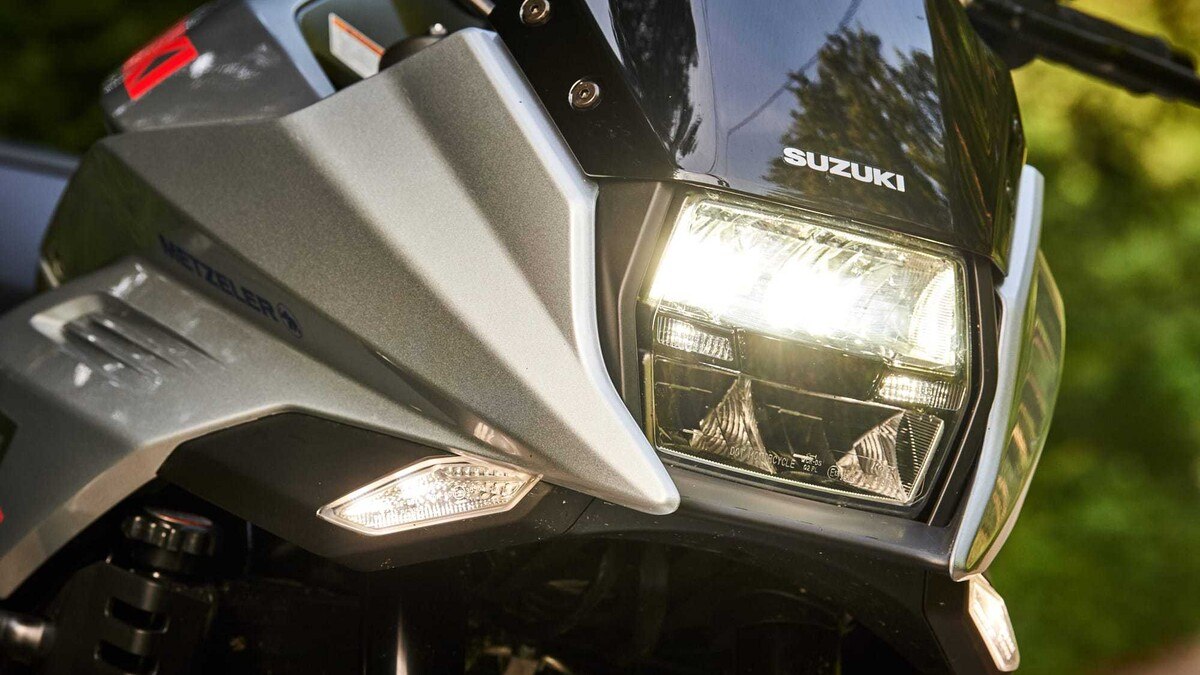
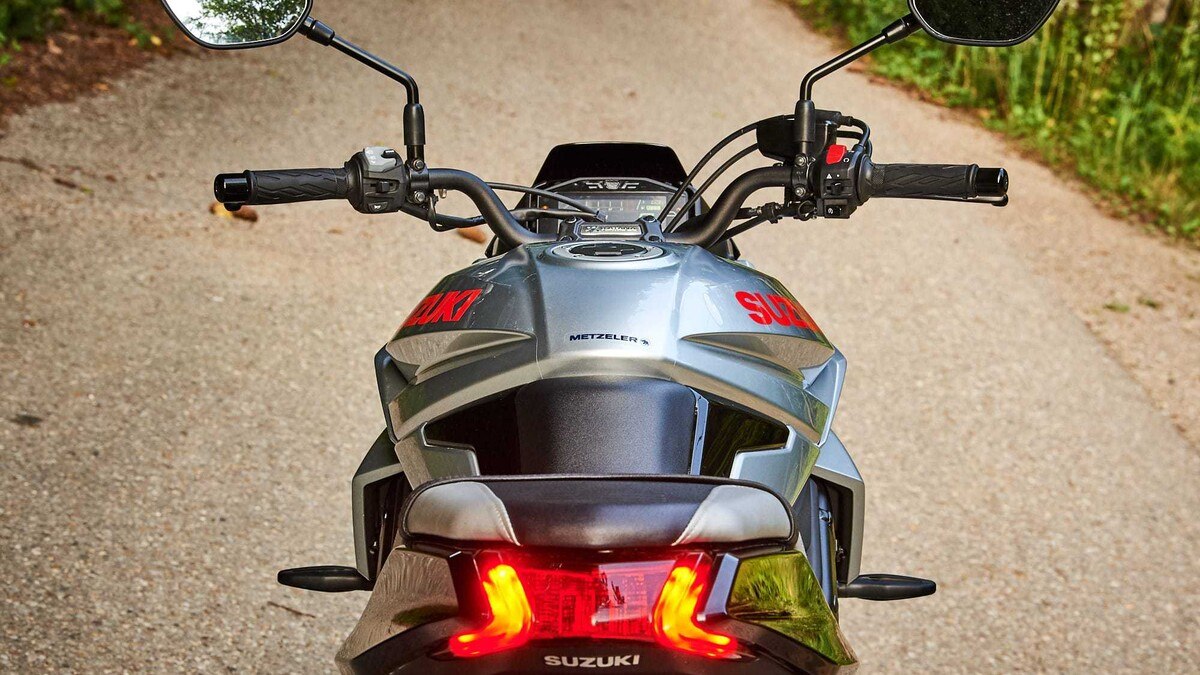
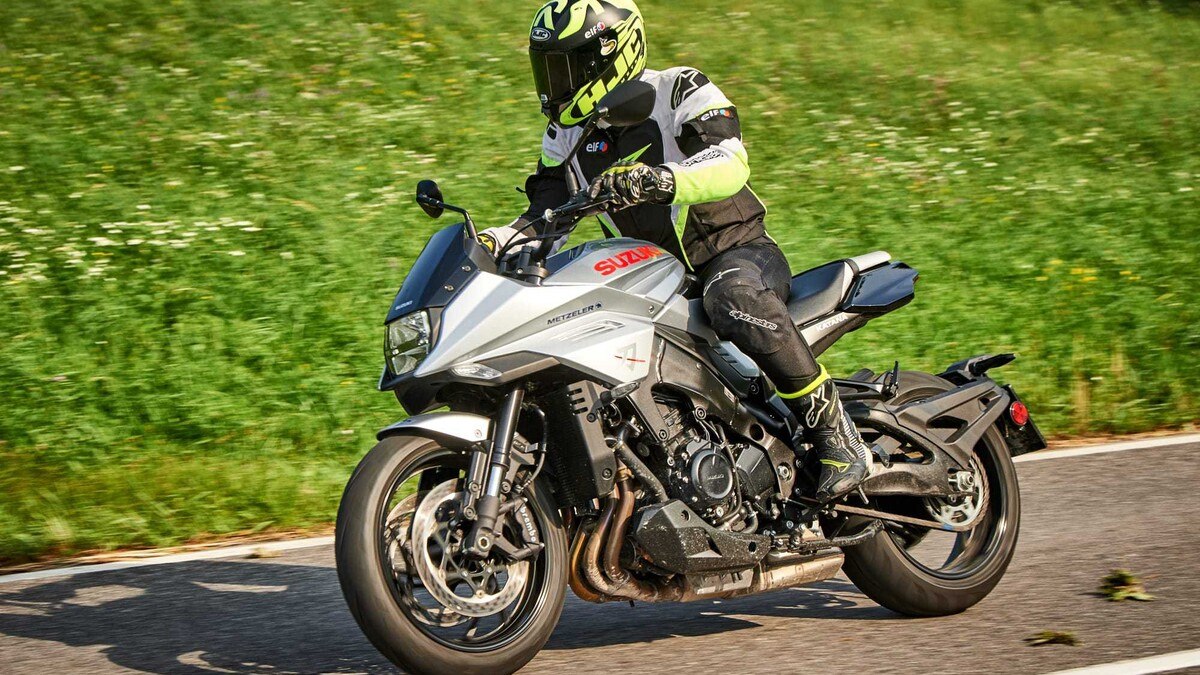
You can't blame the Japanese designers for not taking a close look at the 1981 Katana. The front and side lines of the new edition look very much like the 1980s. You can't get much more of an 80's bike. Silver and black are the dominant colors, as well as the simple, bright red Suzuki lettering on the tank. Bam! I'll be honest: I don't like it at all. But: The Suzuki Katana attracts attention in city traffic as if it were a pink and neon yellow unicorn - unbelievable. The question is: do passers-by think: “Hey, nice bike.” or “Jeez, how old is that box please?” I'll never know. Because even the facial expressions of the viewers do not give any indication of what may be going on in their heads. Regardless, Suzuki has dared to reissue an iron steeped in history and I respect that. My problem is that I don't like the box. That's enough about the design, let's look at the functionality. Sit up, aha. The relationship to the GSX-S1000 cannot be denied. I think that only the bodywork is a little different and the speedometer. Ouch, that speedometer. Nice and big, but the lighting has that blue-turquoise cast like the stereo systems of the 1990s or the digital clocks in the cockpits of cheap Japanese cars. What the hell happened there? Why didn't they just install a modern display instead of this drumming from days gone by? So really, it doesn't work at all. So, now I'm pulling myself together again. But: The display is not even particularly easy to read because a comparatively large amount of information is displayed in a comparatively small size. Hmm, a shame. Close your eyes and go through. Ah, it's very comfortable. The handlebars feel higher than on the GSX-S1000, the seating position is a little straighter, but hardly more inactive. The conivized handlebars fit well in the hand, the offset and width are perfect. The knee angle is discreetly sporty but not uncomfortable. The saddle (seat height 825 mm) is also comfortable, the step for the pillion passenger could be a little further forward, so you can only support yourself a little when accelerating. Practical: The saddle is pulled up slightly between the legs and up the tank - so you can rest your body well-padded. Surprising: The good wind protection of the mini half shell. Compared to the GSX-S1000, it is available even at higher highway speeds. In this respect: Not a classic naked bike for bull-neck riders. The tank is extremely small for me at just 12 liters and the range is very limited.
Handling
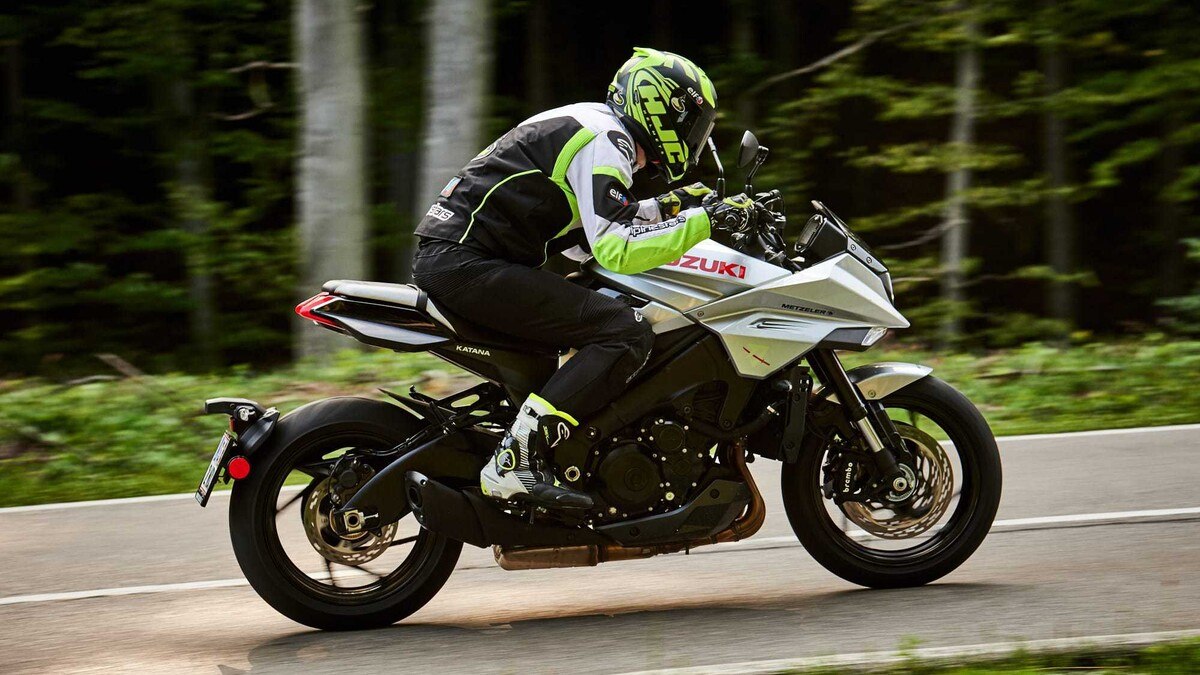
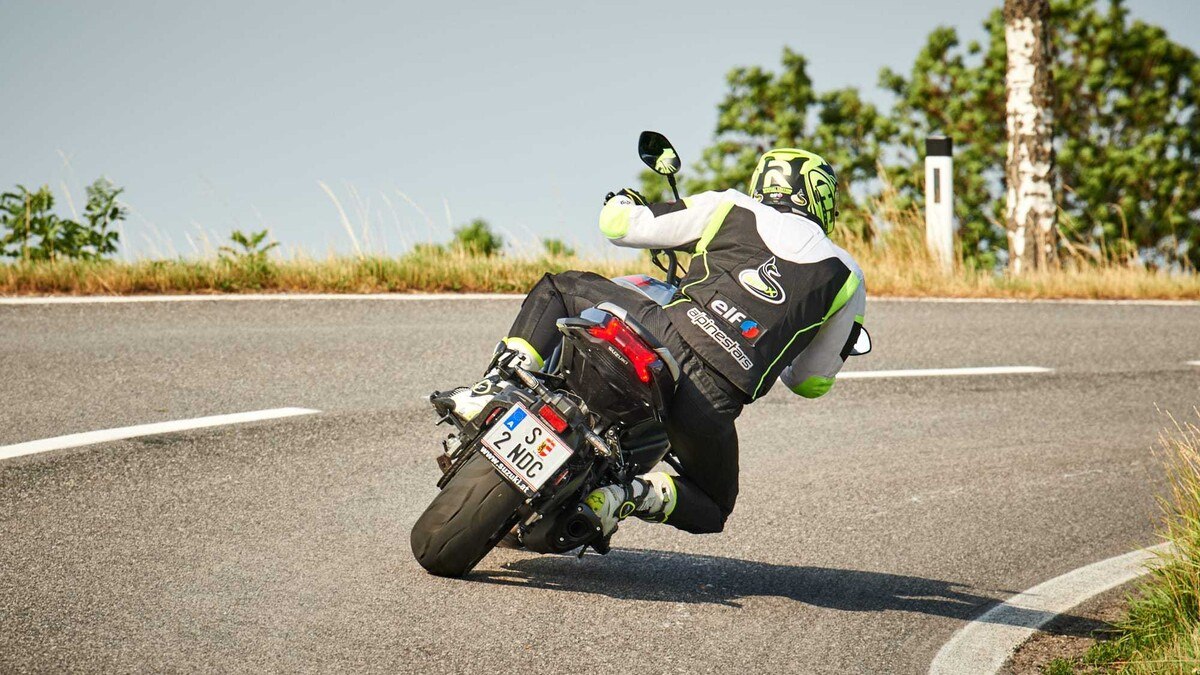
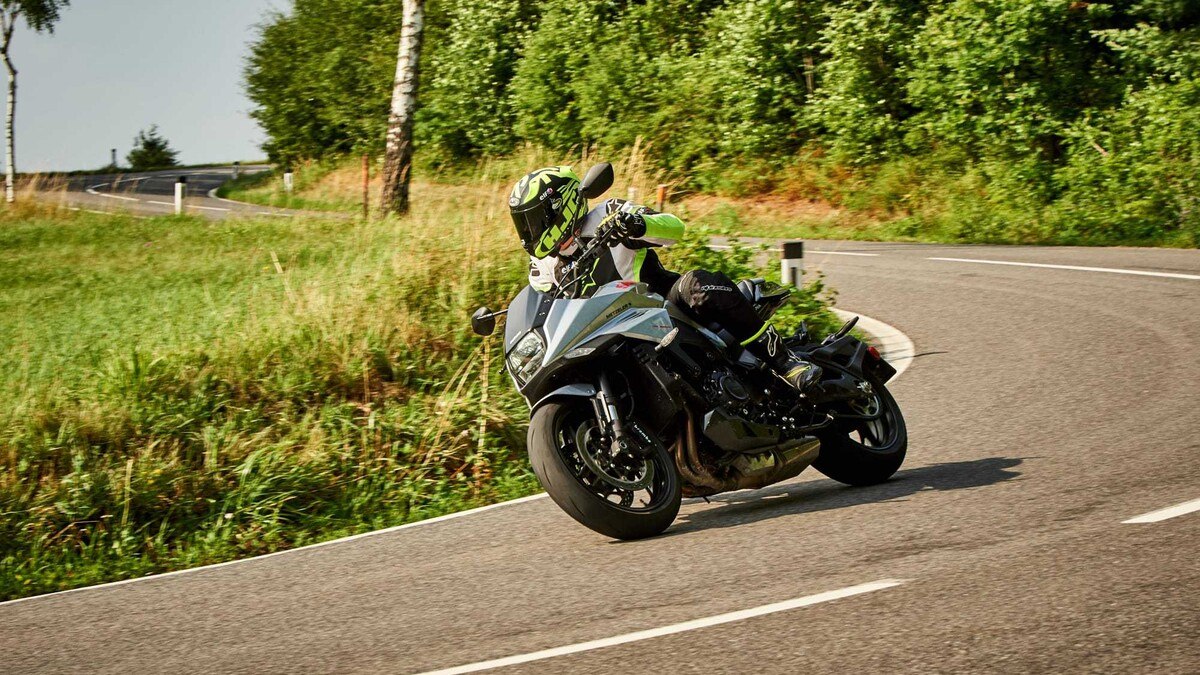
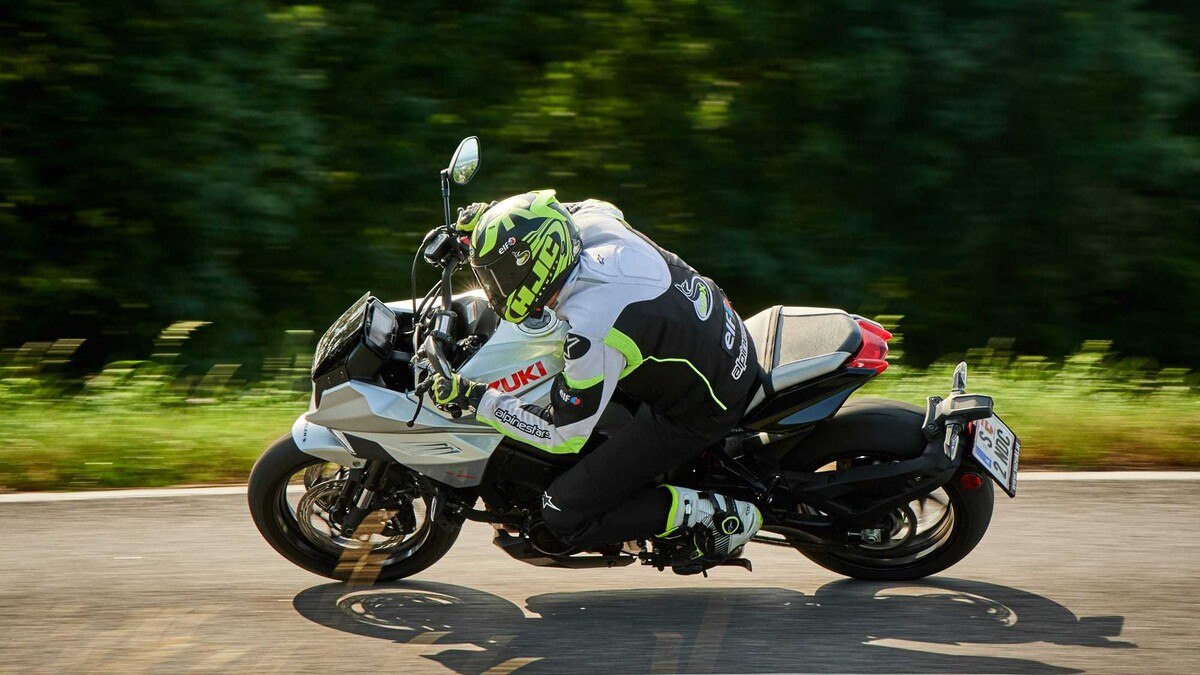
As much as the look of the Suzuki Katana doesn't appeal to me, it's easy and precise to pilot. This is a state-of-the-art, finely balanced power naked bike of the highest quality. The Suzuki steers extremely neutrally, has no wobbling or inertia, but falls into the curve 100 percent predictably with normal effort. And stays there at the desired lean angle for as long as the rider wants. Wow. In my opinion, the handling – in direct comparison to the sibling GSX-S1000 – even seems more balanced. This can only be due to the slightly different seat geometry and the tires (Metzler Sportec M7 RR). No matter why, the Katana is very stable on the road and can be thrown from one curve to the next in a foolproof manner. The feedback from the front wheel is good, as is the rear. The front offers a little more performance than the rear. (see chassis) All in all, the Suzuki Katana is absolutely convincing in the angle mechanism. After weighing 215 kilograms unladen, the Suzuki doesn't feel like it's moving. You can feel their weight more when standing. The low steering angle makes reversing unnecessarily difficult.
Engine/transmission
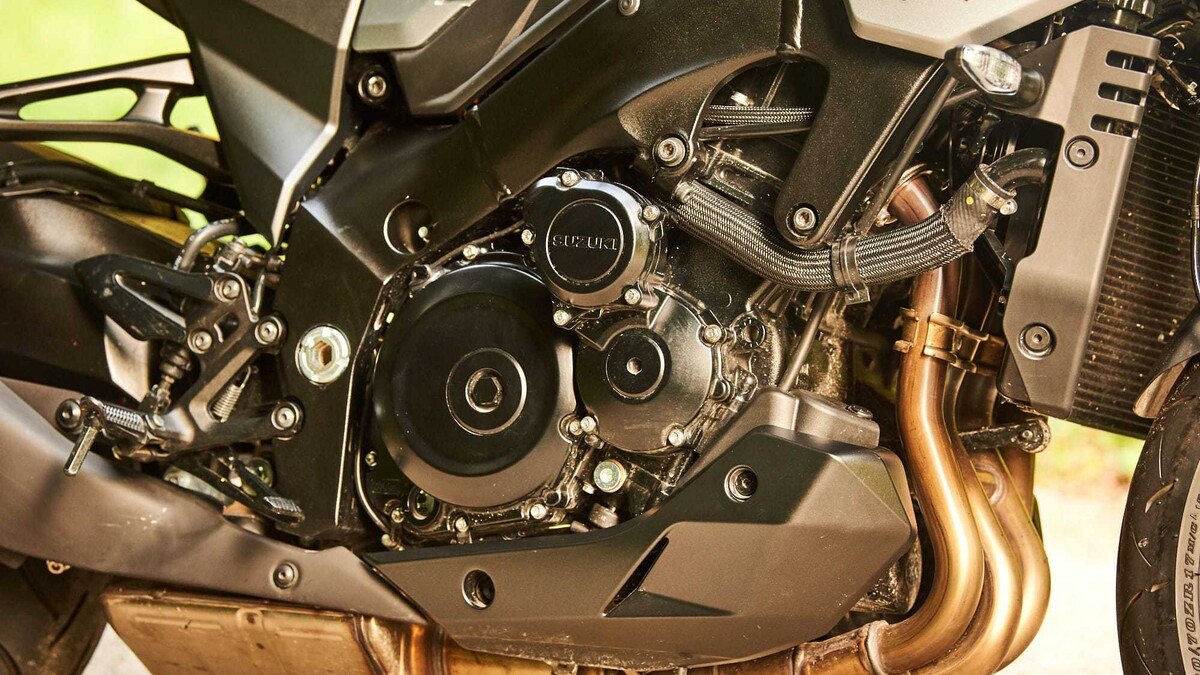
Great engine. That would actually say it all, but I'll embellish a little: The in-line four-cylinder with 999 cubic meters produces a maximum of 150 hp and 108 Newton meters. Unfortunately, the values do not express how great the drive is for country roads. From just 2,500 rpm, the Suzuki engine hangs precisely, directly on the gas and already has some punch. The mid-speed is impressive, as it pushes very smoothly and yet with a lot of torque. Wow. You don't need to switch gears that much. At the top, beyond around 8000-9000 revolutions, a hurricane sets in that pulls the Suzuki Katana forward so that you could lose one. Craziness. So much smoothness, so much top-end power and such a wide, awesome midrange. Respect. Suzuki has built a top engine. Very likeable: There is four-stage traction control, but only engine mapping. That's enough, because the way this engine is tuned, I don't know what else could be improved, changed or even criticized. The transmission shifted into gear rather imprecisely a few times, somewhat uncharacteristically for Suzuki; in the test, second and third gear jumped out several times when accelerating hard. It is therefore worth shifting gears with a little more force in the Katana saddle. There is no quickshifter. It's a shame, because it would have gone well with the engine. By the way: Thanks to the superb engine tuning, the Katana is a fantastic wheelie bike. Test consumption: 6.8 liters.
Undercarriage
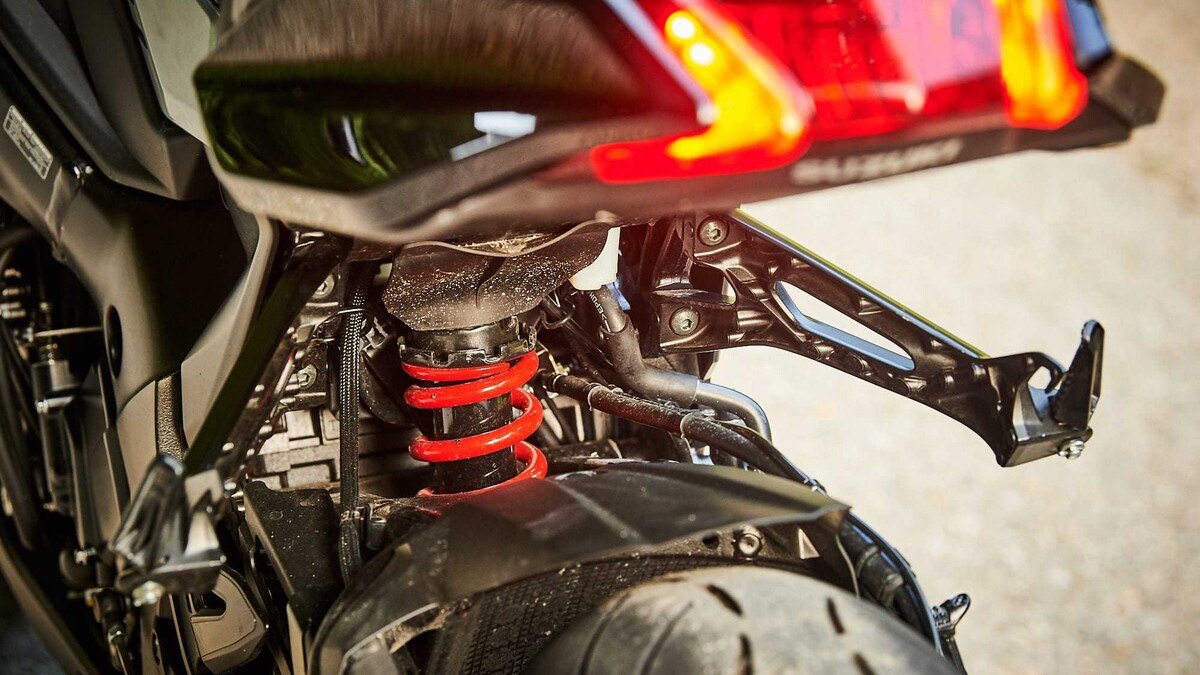
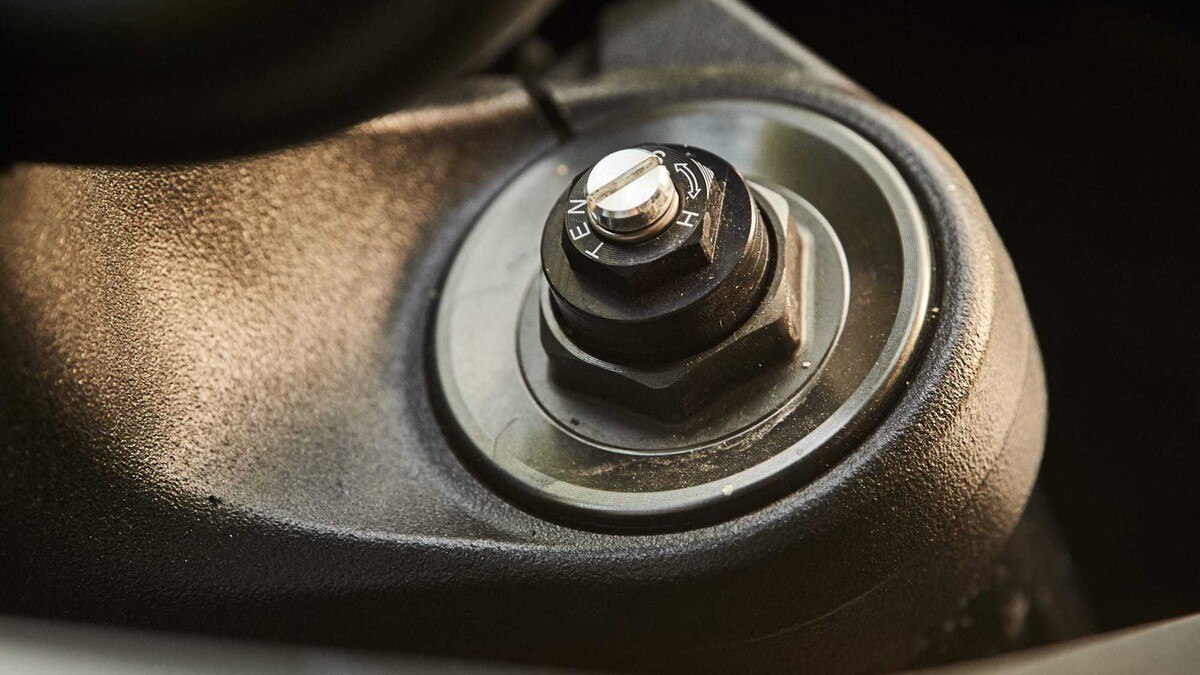
Suzuki didn't make the mistake of saving on the chassis. On the contrary, the super sporty chassis of the GSX-S1000 is installed: fully adjustable 43 mm fork and the shock absorber can be adjusted in 7 stages in terms of preload and infinitely variable in rebound. And that works excellently for very motivated country road enthusiasts. The fork offers a lot of feedback, works cleanly, responds well and does not cause any significant disturbance in the front. Even during hard braking maneuvers, the front wheel sticks to the asphalt in a way that inspires confidence. Real athlete performance. The rear section doesn't quite keep up. The shock absorber also responds well, but is not as balanced as the fork. Very hard compressions indicate the limits of the shock absorber. If you let it fly brutally over the country road, a slight unrest builds up in the rear. The result: Although the rear tire definitely still has enough grip and lean angle reserves, the rear begins to send unclear signals to the driver's butt. Spongy would be an exaggeration. But while the front transparently transmits everything from the tires and asphalt to the driver, the rear is a little more diffuse. If you want to move your Suzuki Katana in a very sporty way, you should use an accessory shock absorber. If you don't want to scratch every corner with the footrests, you'll definitely be fine with the standard chassis. The fork even has race track reserves.
Brakes
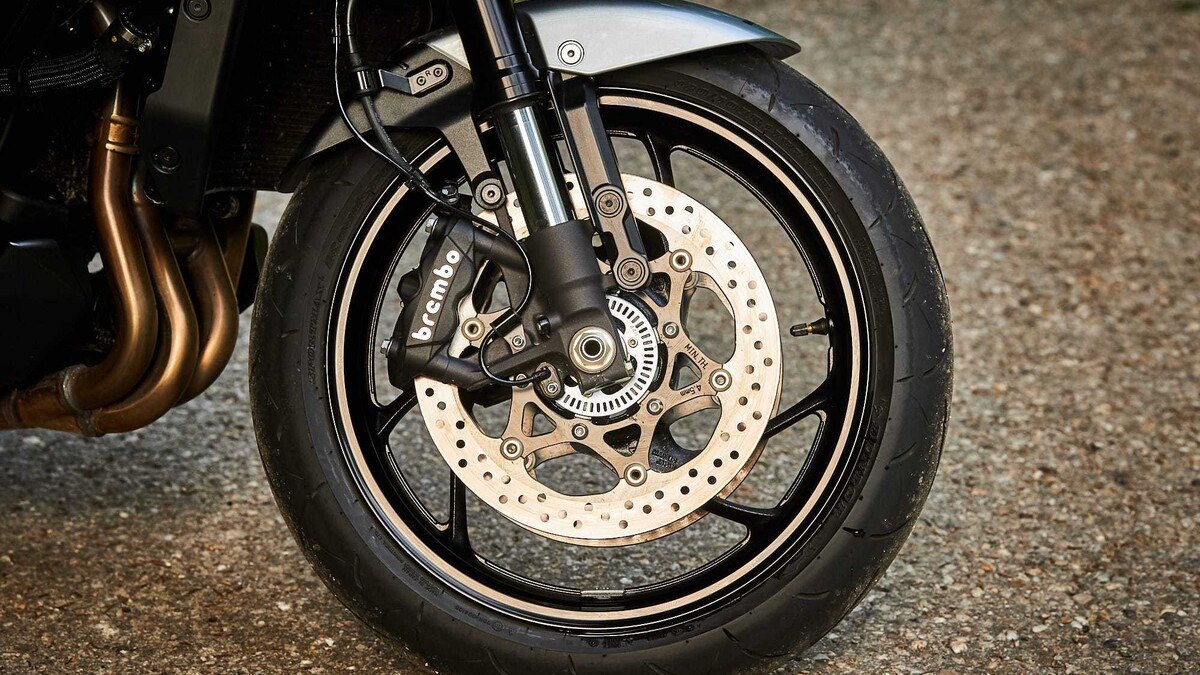
The same applies to the Katana's braking system. Brembo radial calipers, Nissin radial brake pump and two grippy 310 mm brake discs at the front ensure super sporty deceleration. One finger is enough to easily brake the Katana into the ABS control range. Until then, you will experience precise, powerful braking performance and clear feedback from the brake lever. The dosage is good. Front brake: 1A. The rear stopper is almost even better, as its controllability is superb and the braking performance is very good. In urban areas everything works with the rear brake. And if you drive in a more momentum-oriented manner on winding terrain without hard braking points, the engine and rear wheel brakes are easily enough to surf the radius quickly and smoothly with the Katana. The ABS works normally and appeared rather unobtrusively solid in the test. There are more sporty systems, there are more conservative systems. Good average.
Noticed
The look is too old-fashioned for me, the strong orientation towards the original, the great engine, the sporty chassis, the great, neutral handling, the good brakes, the surprisingly good wind protection.
Failed
Rubber brake hoses (still), the ugly speedometer and the tank that is way too small. Ranges of less than 200 km are not uncommon when driving sportily.
Test result Suzuki GSX-S1000S Katana, by p.bednar
More information about Suzuki GSX-S1000S Katana
With kind support from TOTAL Austria
More action photos from the test drives can be found on Instagram: apex_moto_at
Or follow us on Facebook: Apex Moto