

 Suche
Suche
 Mein Konto
Test Kawasaki Ninja ZX-6R - The last R6 competitor
With the Ninja ZX-6R, Kawasaki offers one of the last 600cc super athletes. It is a direct competitor to the Yamaha YZF-6R, but rides completely differently. Two worlds collide. In the end, it's once again a question of taste - and a question of physical condition.

Test Kawasaki Ninja ZX-6R - The last R6 competitor
ergonomics
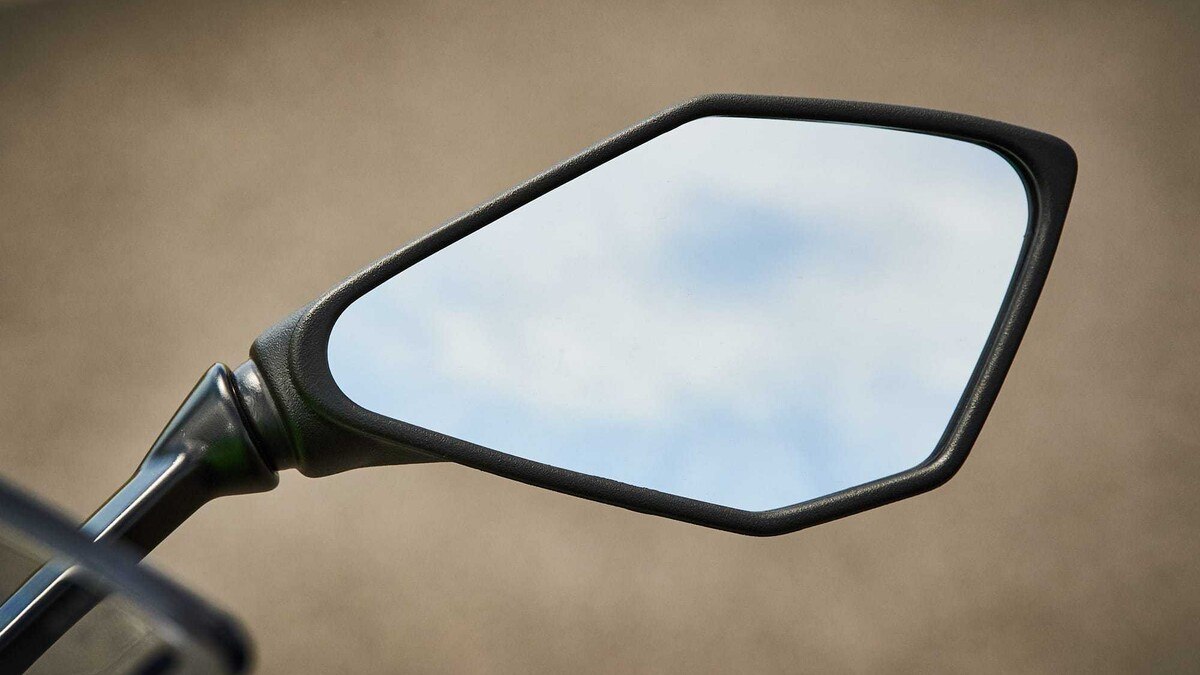
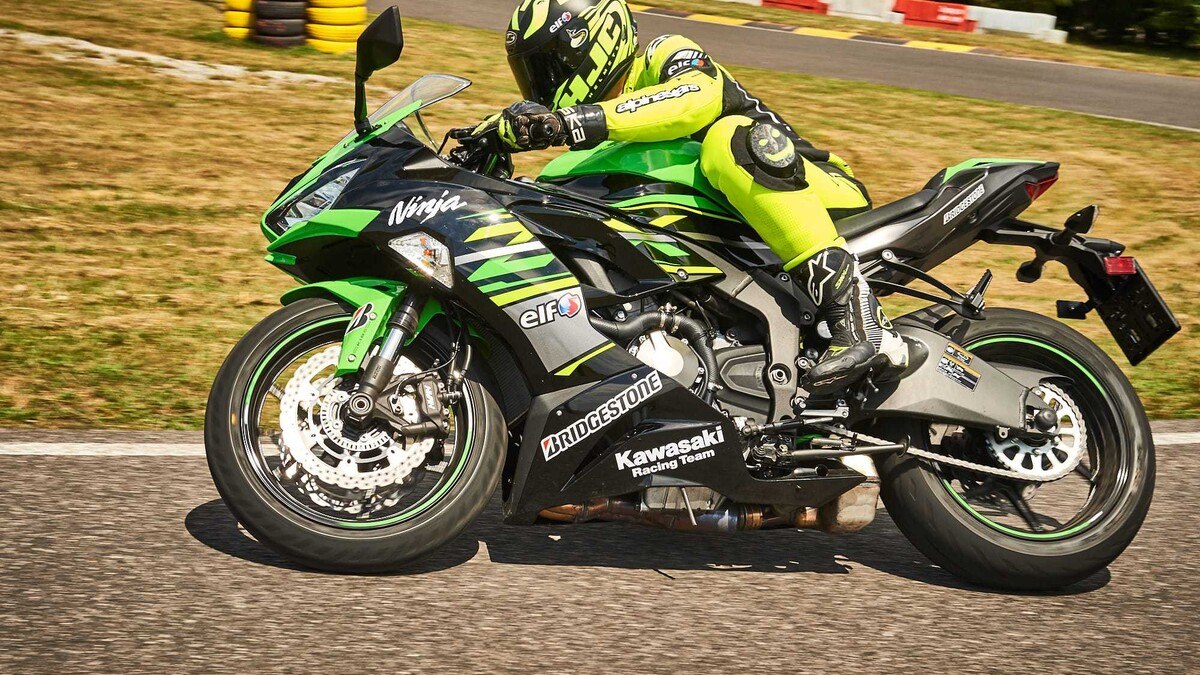
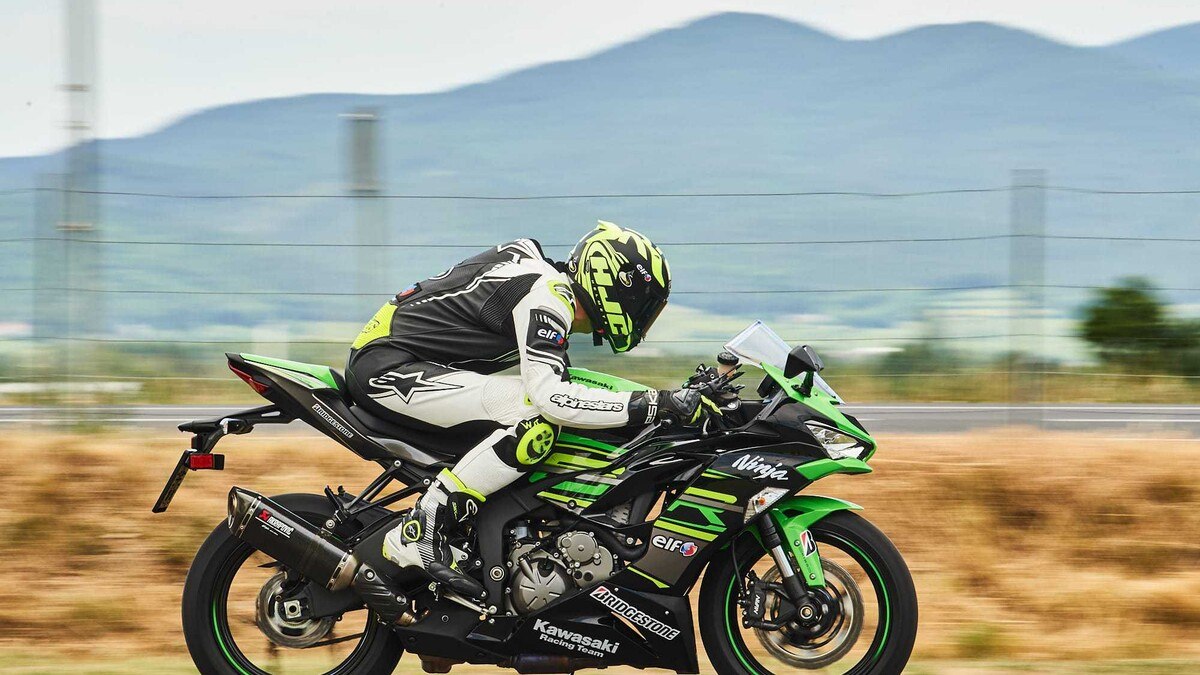
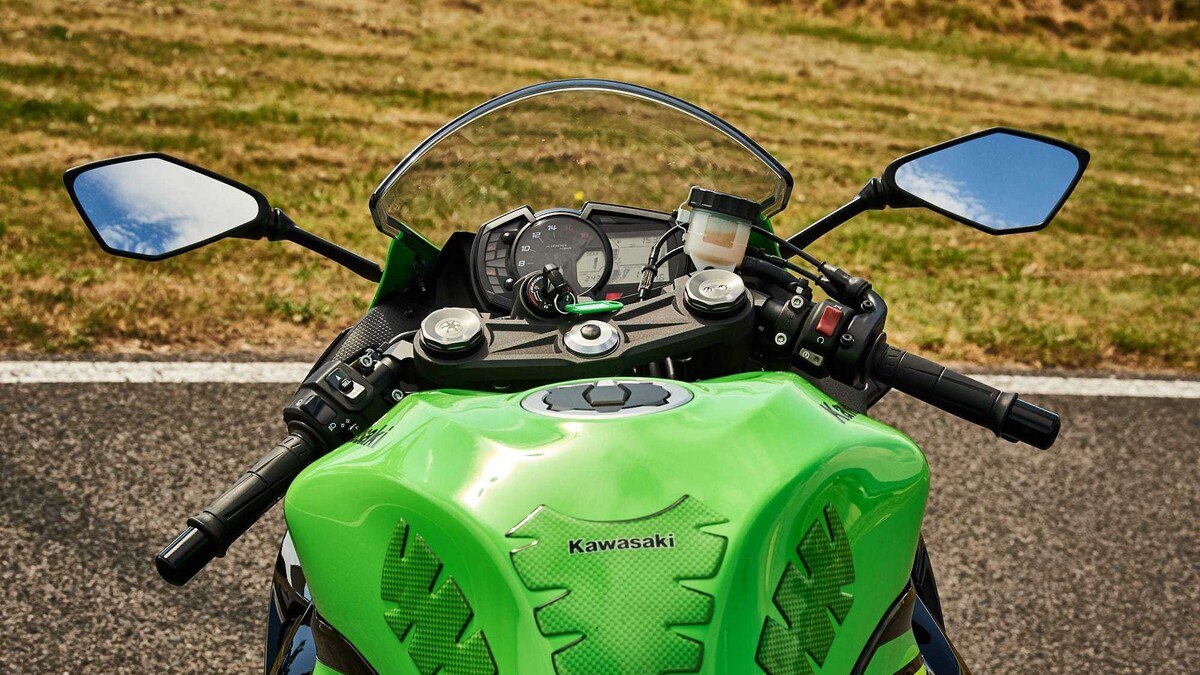
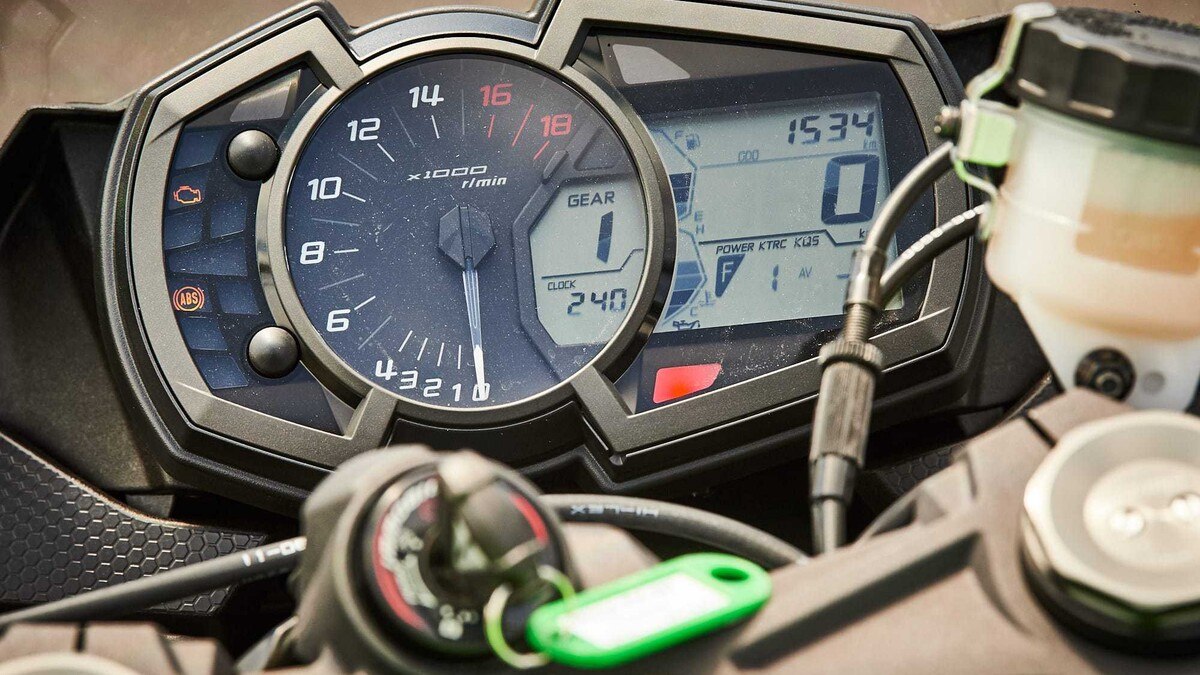
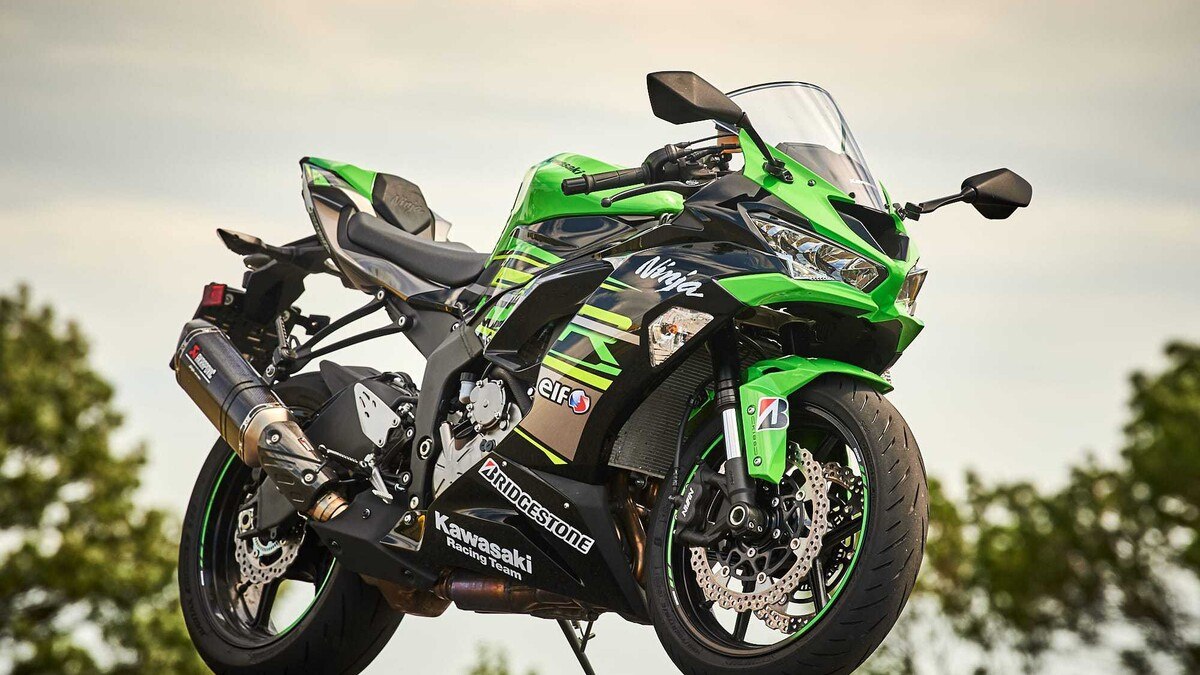
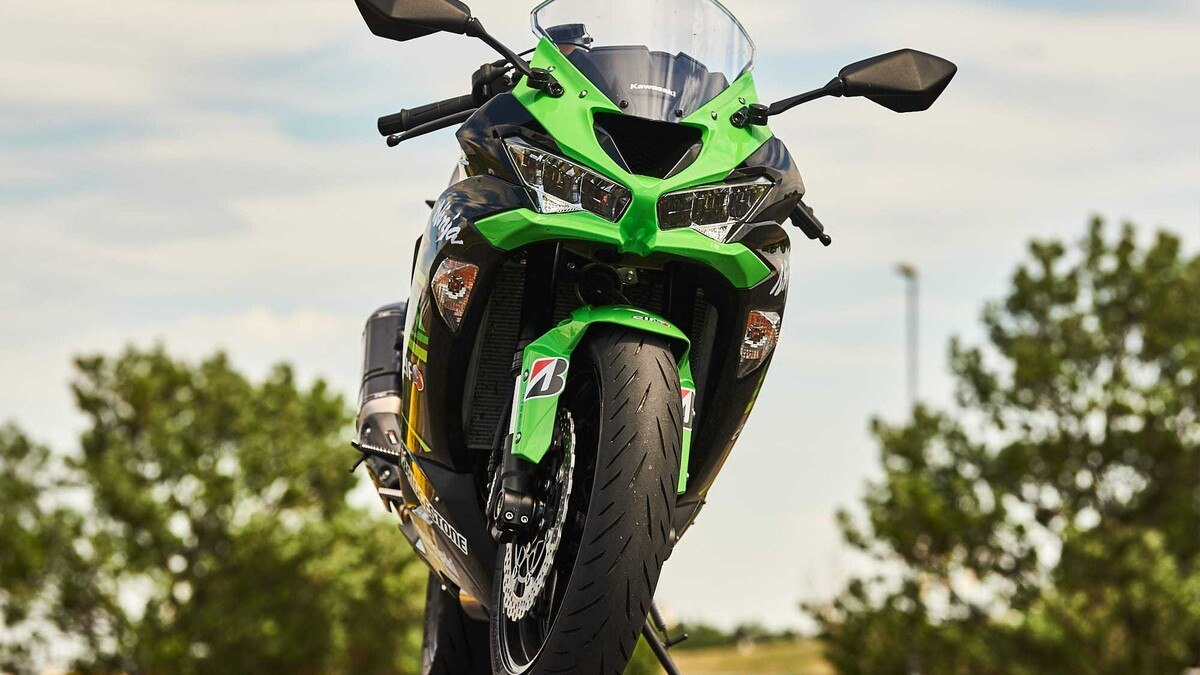
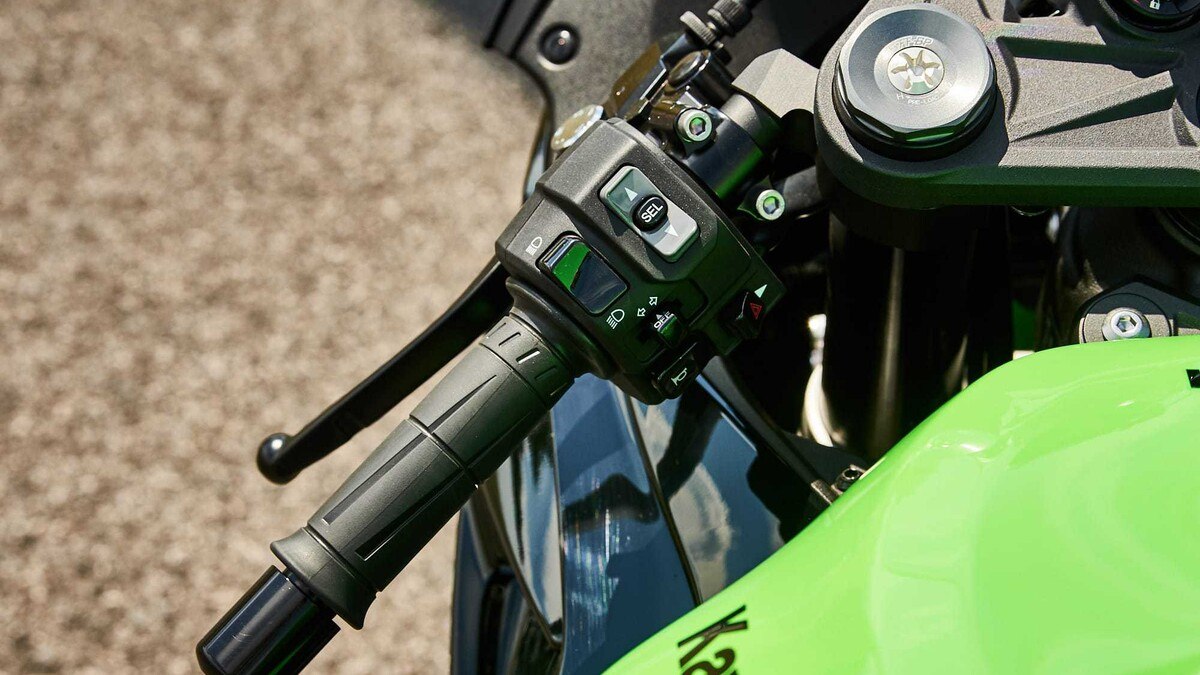
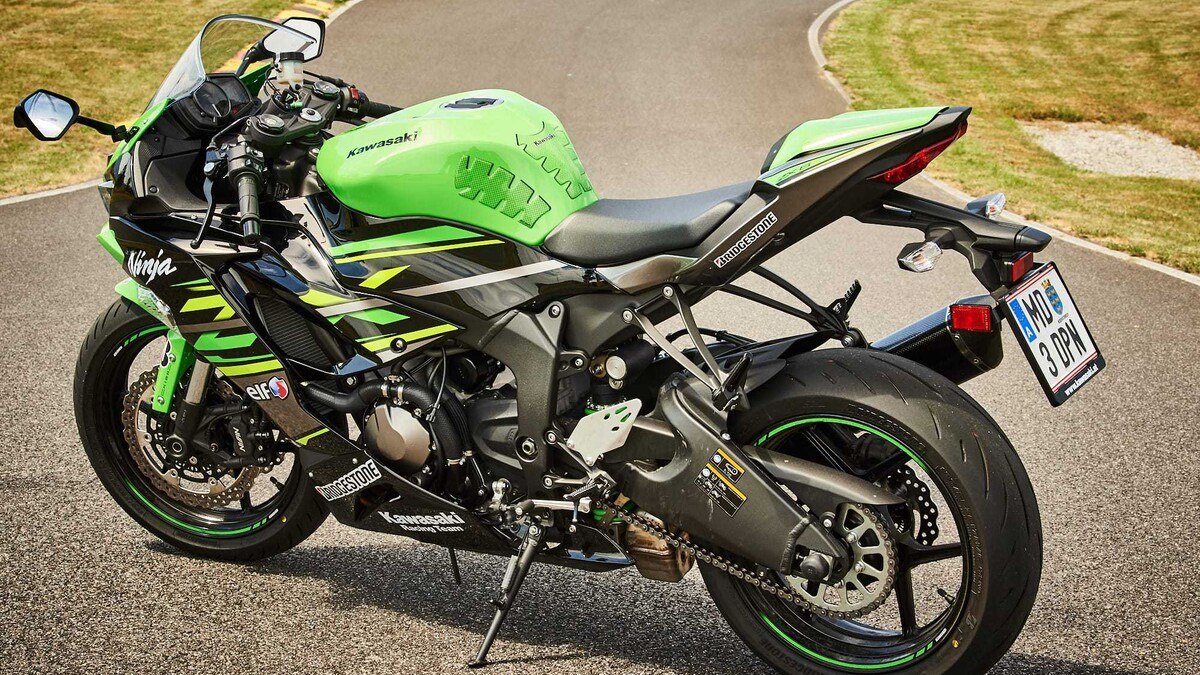
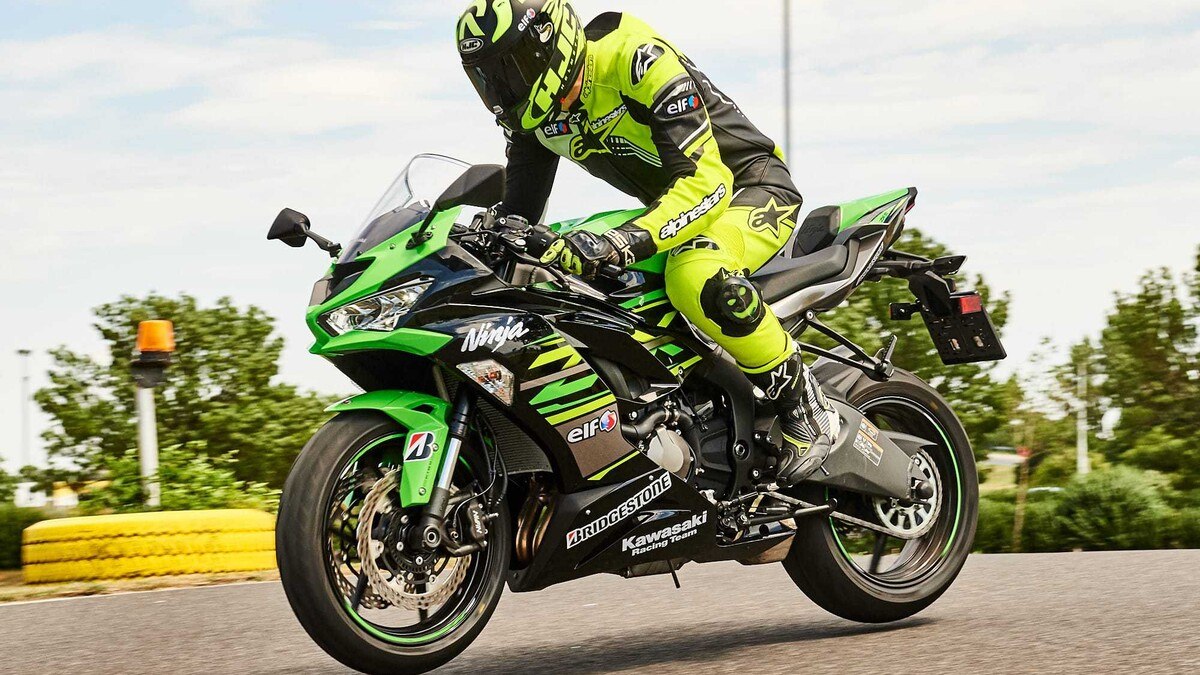
I'm from the Ducati Hypermotard 950 Switched to the Kawasaki Ninja ZX-6R. God, that's uncomfortable. No, that's not true, but she is a real super athlete, which means: high seat (830 millimeters), deep stubs, slightly stretched seating position. No, you don't sit like the proverbial monkey at the grindstone, but you are very front wheel oriented and with a lot of weight on your wrists. Look in the rearview mirrors. Look, you can see more than just your own elbows in them. The rear view is good. The saddle is comfortable, the tank isn't ultra-narrow like on many two-cylinder bikes, but it doesn't spread your thighs unnecessarily either. The footrests are positioned quite high and slightly set back, which is typical for the class. For me, they could have been a little further back so I could have supported myself more when accelerating. Nevertheless, the sitting position requires tight abdominal and back muscles and fat in the shoulders and forearms. The wind protection is mediocre, the windscreen is rather flat. At motorway speeds, an air cushion builds up under the driver's chest, which pleasantly takes the weight off your wrists. There is no such thing as a tight corner and the driver's physicality is required. The tank holds 17 liters, but the fuel gauge is only partially reliable. With a full tank and ready to ride, the Kawasaki Ninja ZX-6R weighs 196 kilograms according to the factory specifications. It feels lighter when stationary. The speedometer and the instruments are comparatively simple. Nice: the analog tachometer. Nowadays it's almost a rarity among super athletes.
Handling
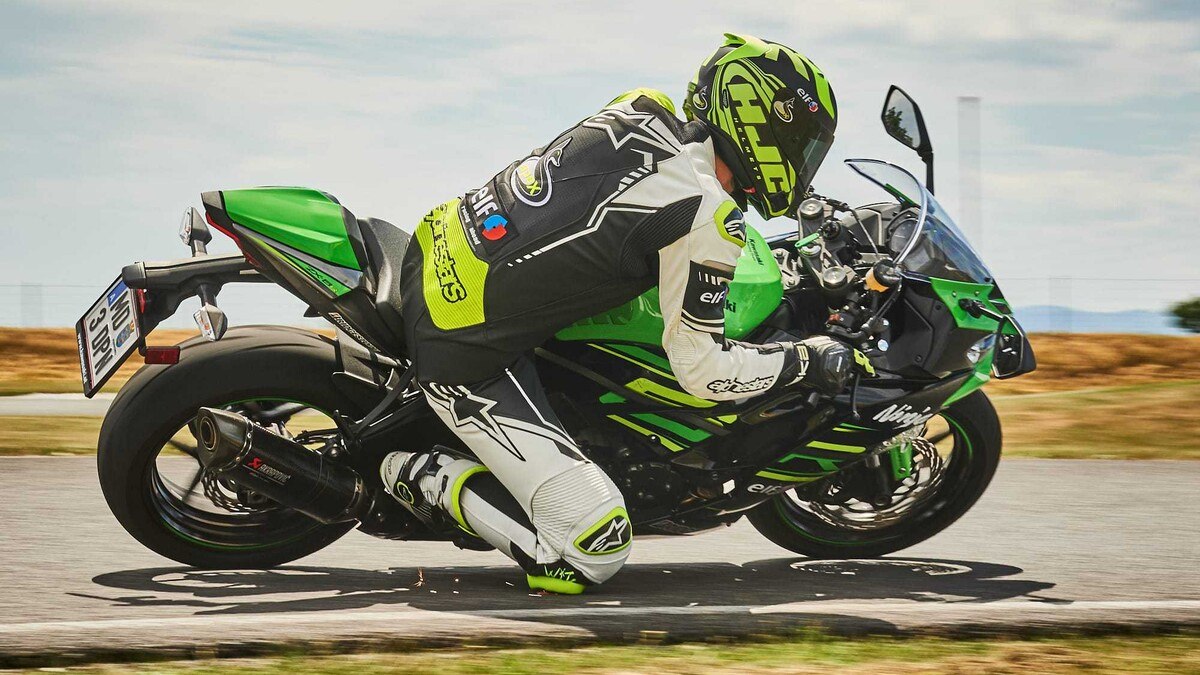
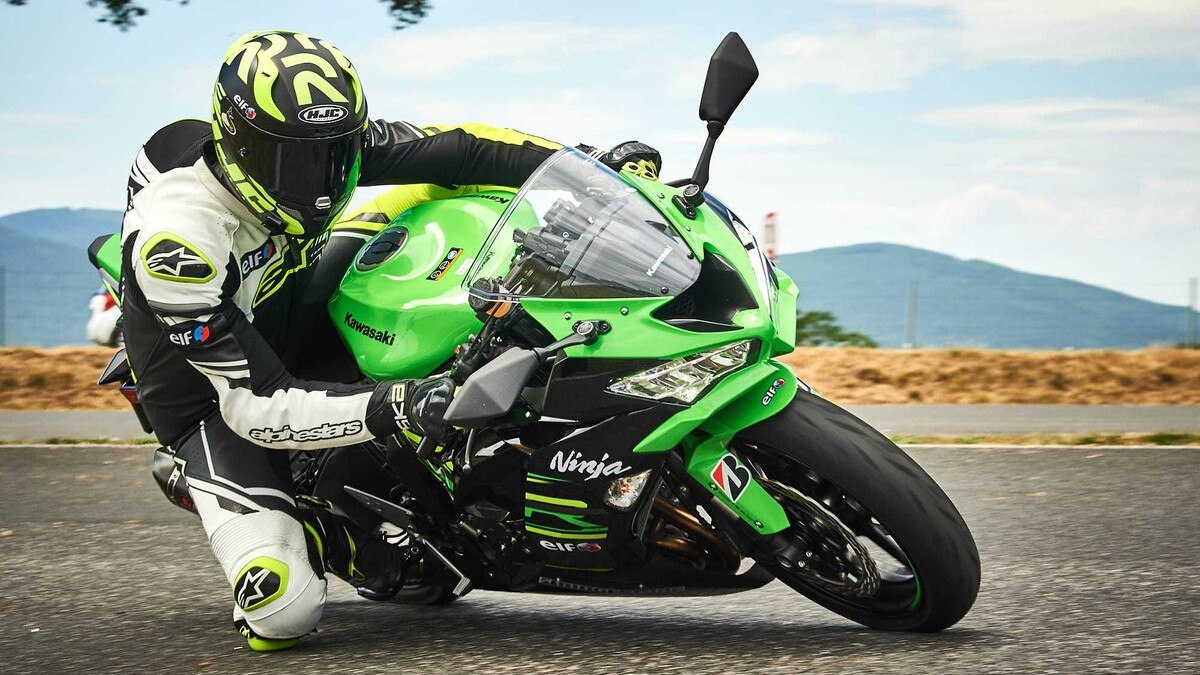
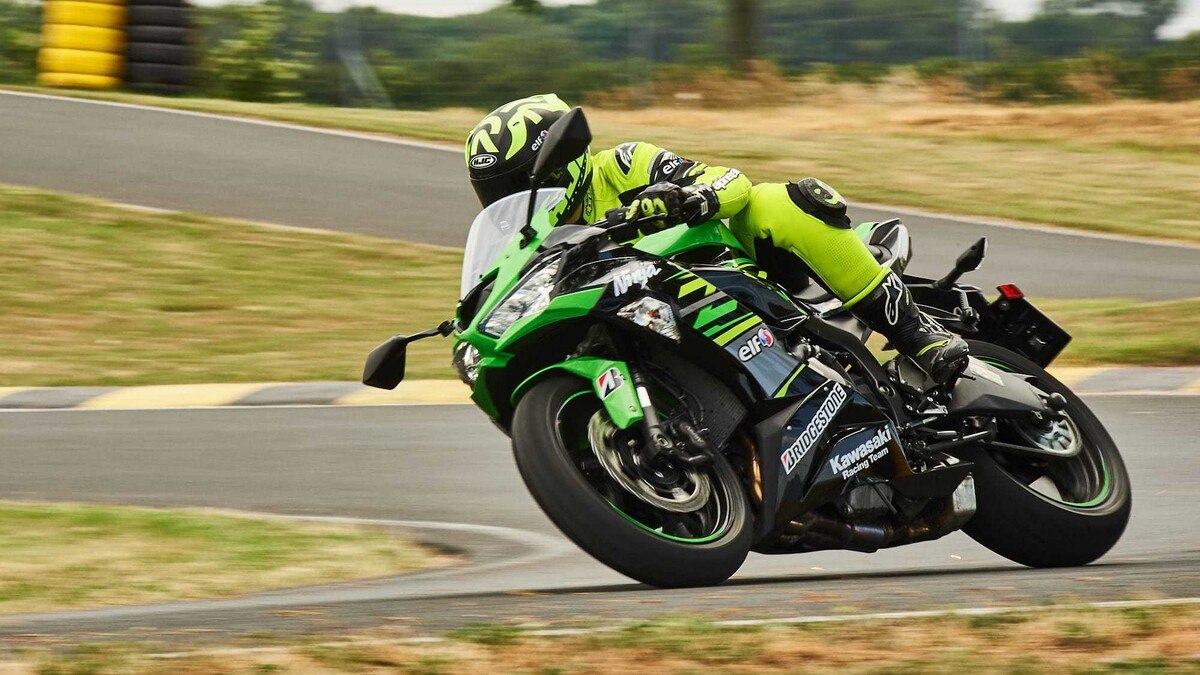
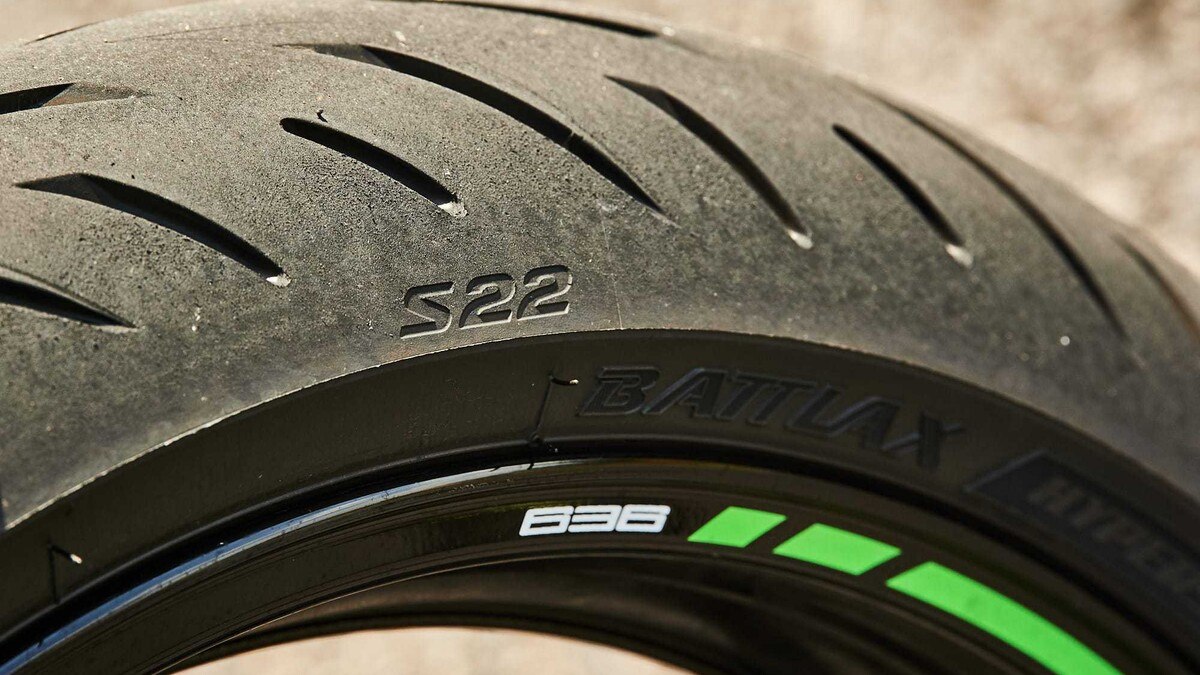
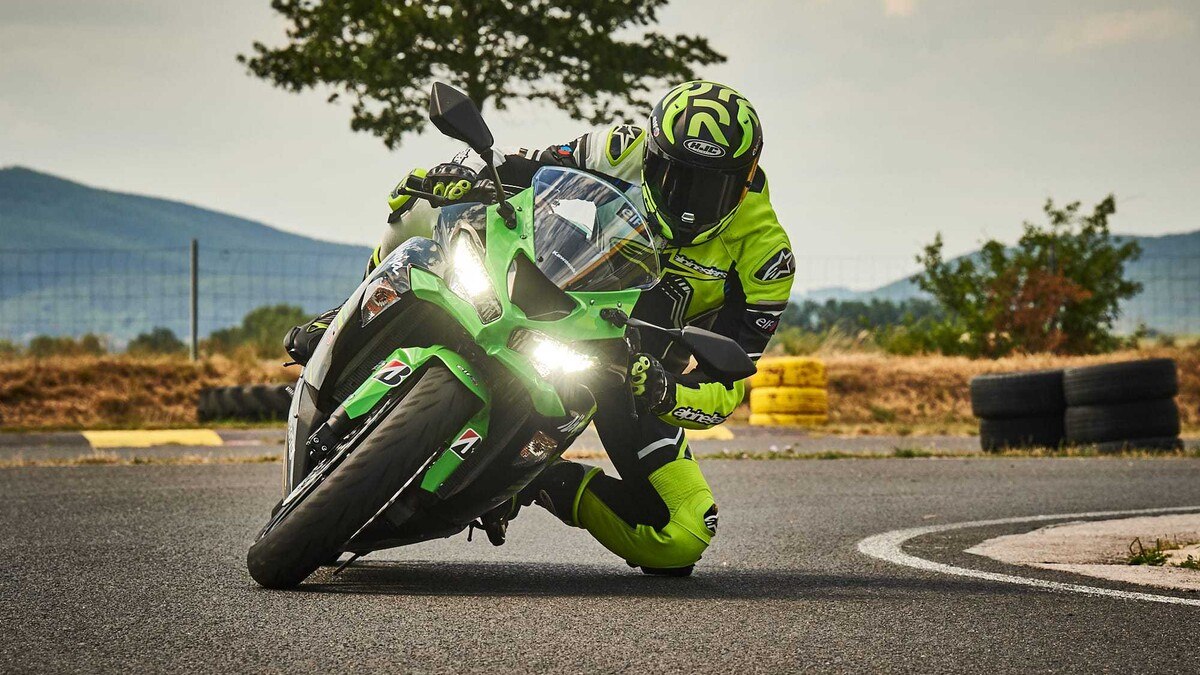
I don't want to offend the Kawasaki engineers, but the Ninja ZX-6R is not a handling miracle. In direct comparison to the Yamaha R6, it takes significantly more pressure on the handlebars to put the Kawasaki into the curve. On narrow courses, we also recommend using thigh pressure to position the Ninja. Just don't get it wrong: The 6 Series Ninja is not sedate or even cumbersome, but the first impulse to turn requires a dominant, strong hand. Then, once angled, it becomes much easier to direct. And it is precisely this handling characteristic that is later noticeable in terms of its stability: once folded over, the Ninja lies in an inclined position and is extremely stable. In fast, long corners you literally cut your way through the asphalt strip. Curves below 70 km/h are not their preferred area; they are too strenuous to be fast over the long term. But when things get faster, the Ninja consistently makes up her meters and time. She reminds me a lot of that Suzuki GSX-R 1000. It seems to me that both models have sacrificed agility to gain incredible stability. In this respect, those who choose between the Kawasaki Ninja ZX-6R and the Yamaha R6 simply have to ask themselves the question: If I like it maneuverable and agile, then the Yamaha camp is better off. If I like fast corners and high cornering stability, which is usually only available from the Ducati SBK models, then I'm better off with the Kawasaki. However, there was a shortcoming in the handling both on the angled test race track and on the country road. At a very high angle the front starts to pump. Unfortunately, I couldn't filter out whether the pumping comes from the fork, the tire or the entire front end. It feels comparable to when the front tire reaches its limit under high braking load, but in an inclined position where there is noticeably enough reserves of grip. All in all, the rider enjoys a high degree of stability up to this point, but then feels a bit in the dark on the last few degrees of inclination. You can't really feel whether the chassis, chassis or tires are reaching their limits. It was precisely these handling characteristics - coupled with the high steering force - that didn't allow me to ride particularly fast in the saddle of the Ninja. Somehow I couldn't build a trusting relationship with the front wheel, even though I trusted the tires (Bridgestone S22) and the high level of stability. On the Yamaha R6, however, the front wheel feel was so crystal clear that I literally drove myself into a frenzy on the test track.
Engine/transmission
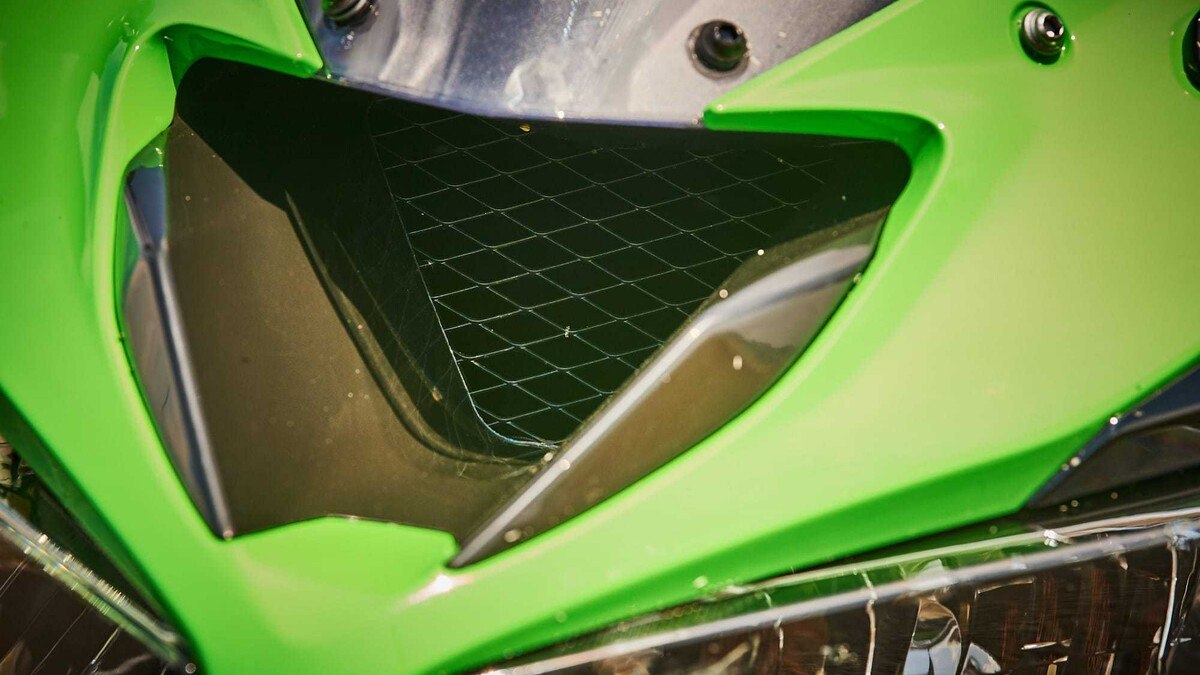
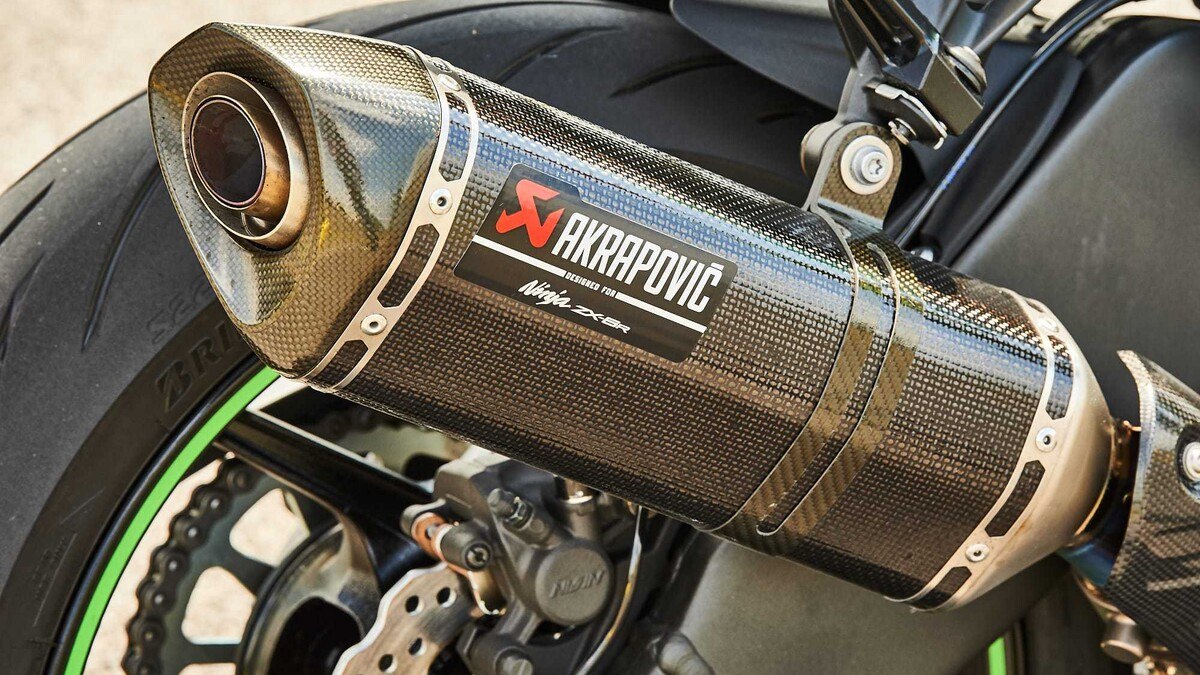
Strictly speaking, Kawasaki is cheating a bit with the ZX-6R, just like they have been doing for many years, because it has 636 cubic meters and is therefore not a classic R4-600. The idea behind the increase in displacement: more boom in the middle, i.e. nicer driving on the country road. According to the factory specifications, the Ninja delivers 136 hp – with maximum Ram Air performance – and 130 horses without the Ram Air effect. The torque is given as 70.8 Newton meters. That's quite generous for a 600cc super athlete. However, I couldn't feel the increase in torque on country roads - in direct comparison to the R6. It even seemed the other way around to me: up to around 7000 revolutions, the ZX-6R and R6 don't do much. The Kawasaki irons out the Yamaha mercilessly about this. On top of that, the Kawasaki – in series trim – plays in a league of its own. Then there is a boom that the R6 simply doesn't have, despite the higher speed. On the other hand, the Ninja allows noticeable load changes at low revs and doesn't always stay on the gas smoothly. This can force you to take a square line in hairpin bends or when turning in the city. Once the first 4000 revolutions have been overcome, the in-line four-cylinder runs nice and smoothly with an aggressive intake noise. The optional Akrapovic carbon muffler is nice, but in terms of sound it doesn't make as much difference as the airbox under the tank. But it saves weight. Consumption was surprisingly high: on average it was 7.3 liters, including winding racetracks, wheelies, full-throttle passages and strolls on the country road. Frugal is different. In this respect, you should plan to visit the gas station every 240 kilometers, as the fuel gauge - as already mentioned - shows a variable remaining range. On the Ninja, a quickshifter is only used for upshifts. It works well and unobtrusively. A blipper function - clutchless downshifting - would also have been nice, especially since Kawasaki has the technology on the shelf, but well, something has to be saved somehow.
Undercarriage
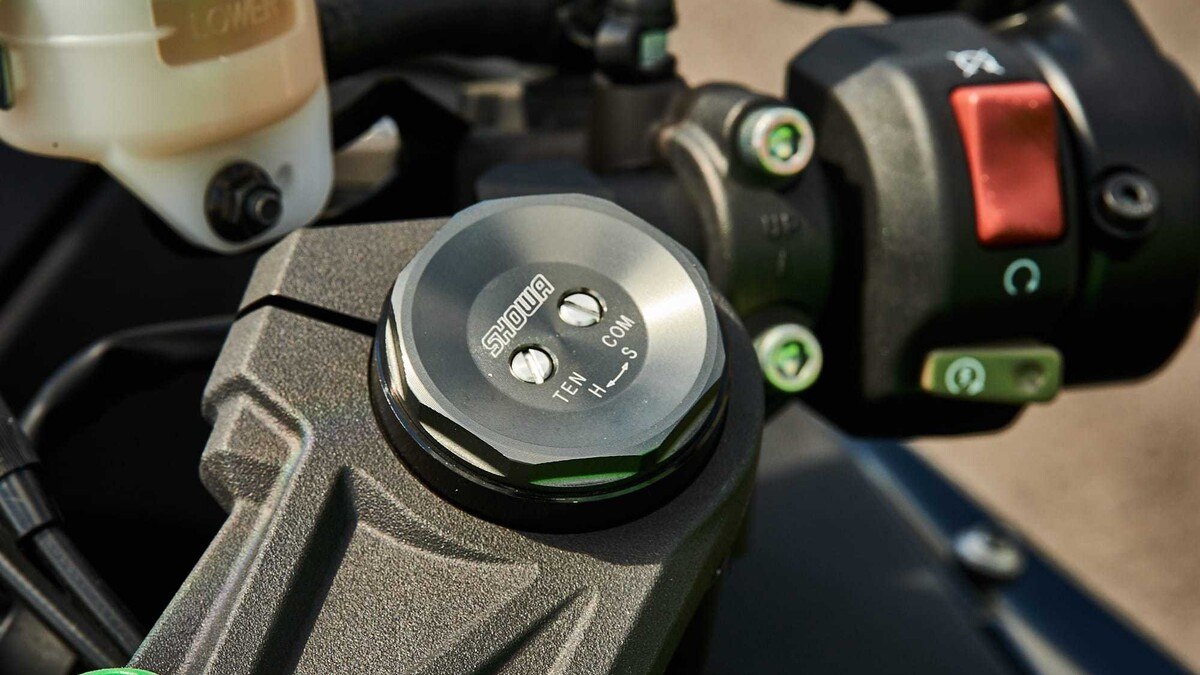
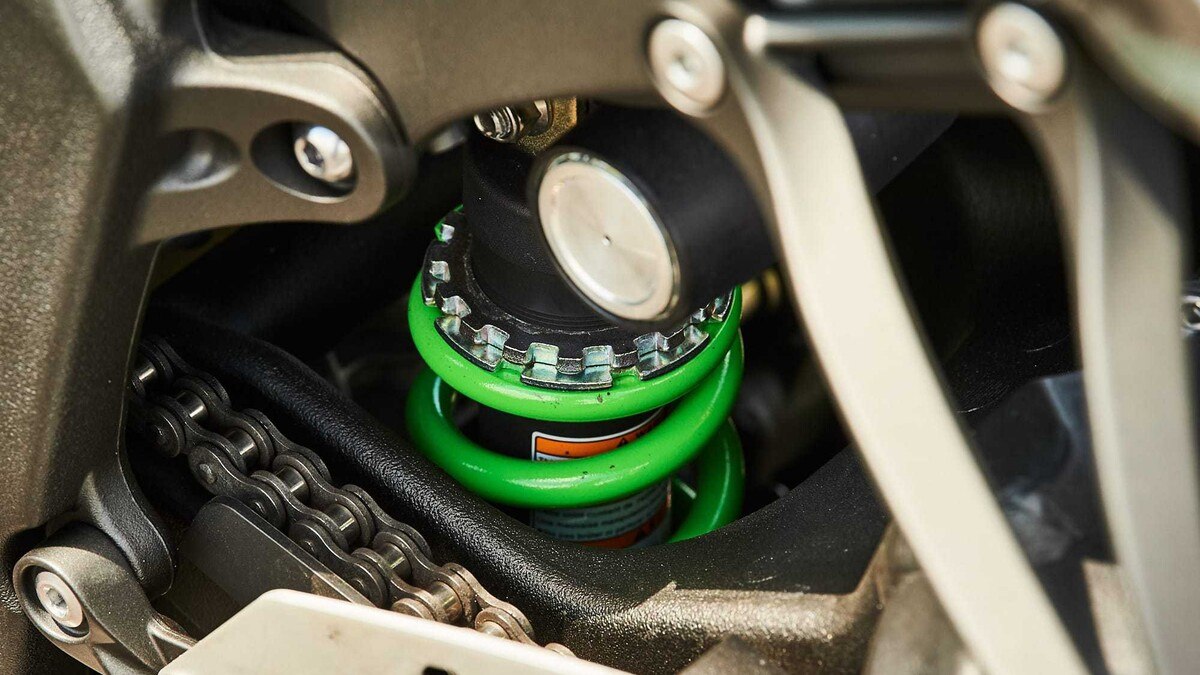
When I returned the 6 Series Ninja to the importer, I was surprised: “The chassis is definitely too soft for the road,” they said. My eyes were wide open because I found the chassis (fork and shock absorber) to be quite tight. But okay, everything in order. At the front there is a fully adjustable 41 mm USD fork - typical for this vehicle class. And in my opinion: the setting is crisp. At the rear, a hinged shock absorber with a compensation reservoir and also full adjustability is used. The rear also feels crisp. Especially at lower speeds, I have the feeling that the chassis is a bit overdamped. Only at a faster pace, when you brake harder, accelerate harder and simply build up more pressure in the chassis, does the Ninja begin to work harmoniously. She just doesn't like slow pace. If you press down, the chassis no longer appears bony, but rather full and precise. Coupled with the high stability, it can then be swept over comparatively poor roads even at high speed because the chassis suddenly works. So you have a choice over a pass with lots of asphalt edges: either go over it at a leisurely pace and feel every edge in your intervertebral discs and wrists, or conquer your inner bastard and give yourself enough material to get over the bumps in a balanced manner.
Brakes
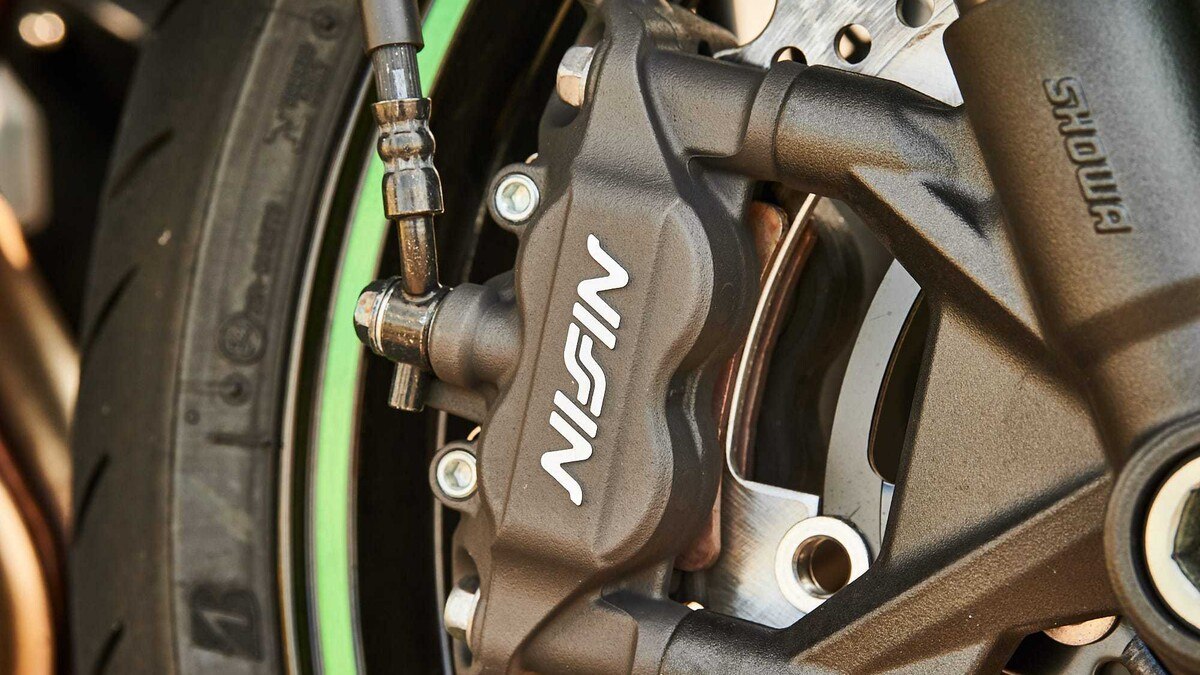
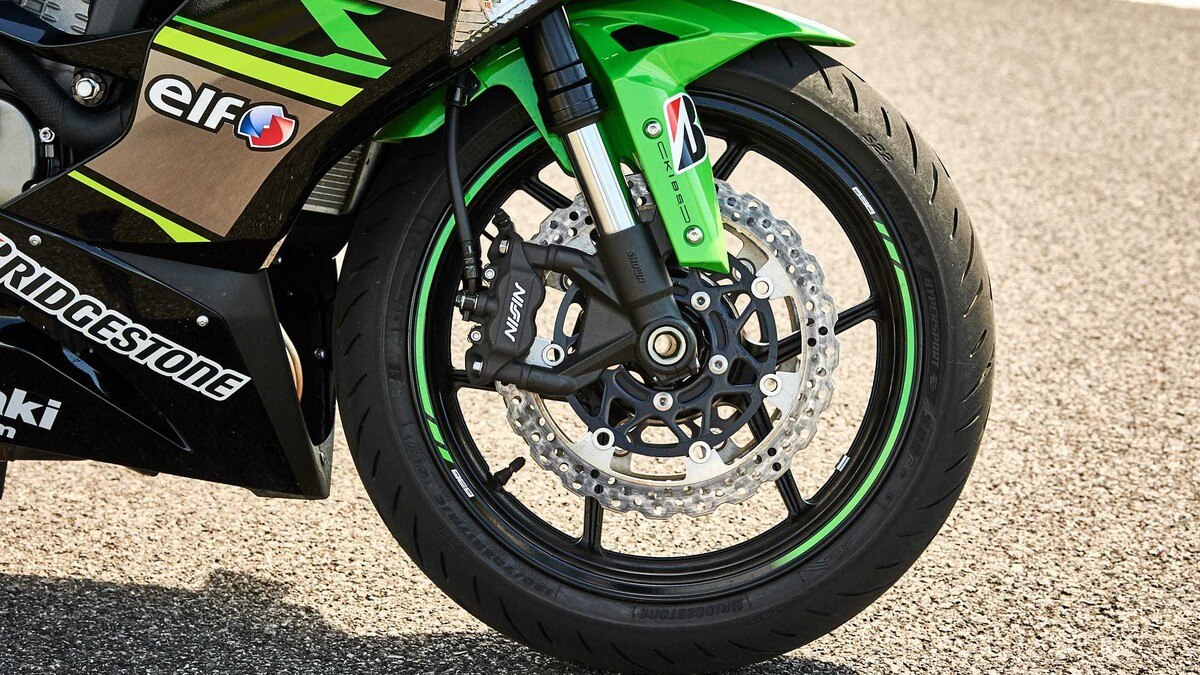
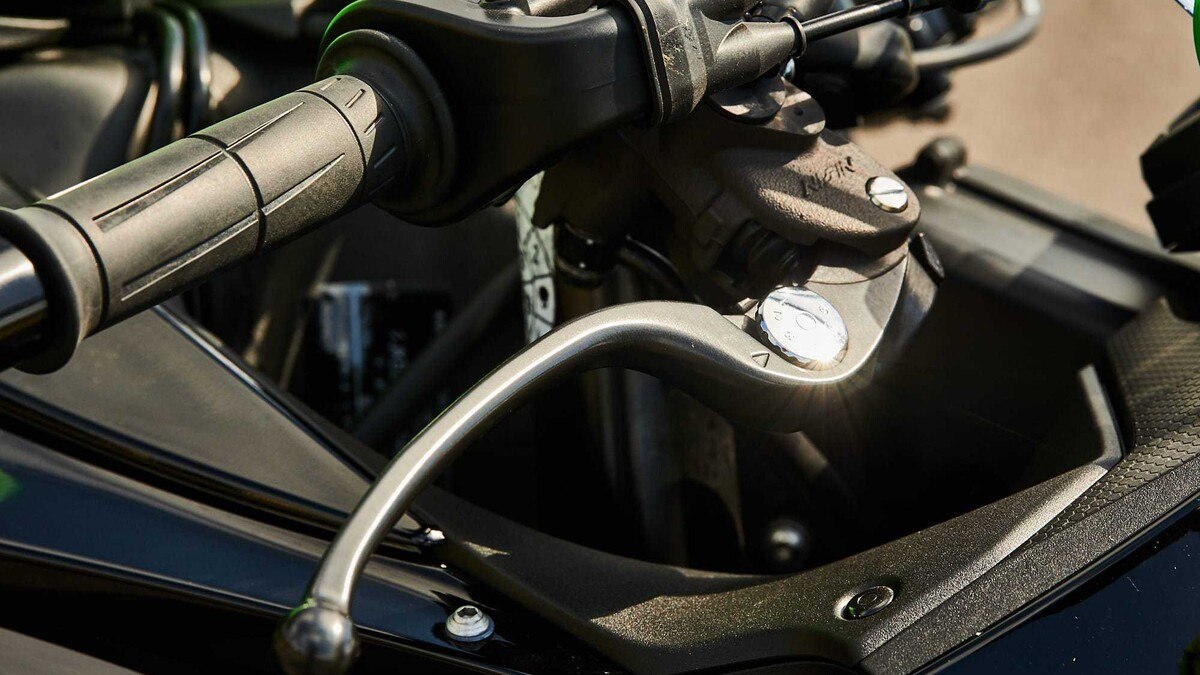
Braking a 600cc isn't much of an art per se. But the Nissin brake system on the ZX-6R is excellently tuned. The pressure point is precise, although in the test model there appeared to be a small air bubble in the brake line as minimal fading was noticeable. The lever travel is crisp and the first bite is sporty. If you increase the lever pressure with just one finger, the second bite is super sporty and the Ninja decelerates transparently and violently. Thanks to their stable design, the braking force can be easily applied to the road. The ABS kicks in late and gently. Braking before corners is possible and hardly causes any unrest in the Ninja. In other words: a top brake. The two 310 mm discs have an easy time with the almost 200 kg Ninja. The rear brake was unremarkably solid. I can't think of anything else about it.
Noticed
How much strength the ninja needs to change direction at slow speeds. Agile is different. How hard the engine pushes on top. Great brakes. Crisp looks, great sound from the airbox – really snotty. Good rearview mirrors.
Failed
The display is a bit out of fashion, the fuel gauge is too imprecise for the class. Consumption is surprisingly high, and the load change reactions take some getting used to, especially in first gear.
Test result Kawasaki Ninja ZX-6R, by p.bednar
More information about Kawasaki Ninja ZX-6R
With kind support from TOTAL Austria
More action photos from the test drives can be found on Instagram: apex_moto_at
Or follow us on Facebook: Apex Moto