

 Suche
Suche
 Mein Konto
Test helmet HJC RPHA 11 Eridano
The long-term test with the HJC RPHA 11 reveals the strengths and weaknesses of the Korean helmet in the third season. The key point is the luminosity.

Test helmet HJC RPHA 11 Eridano


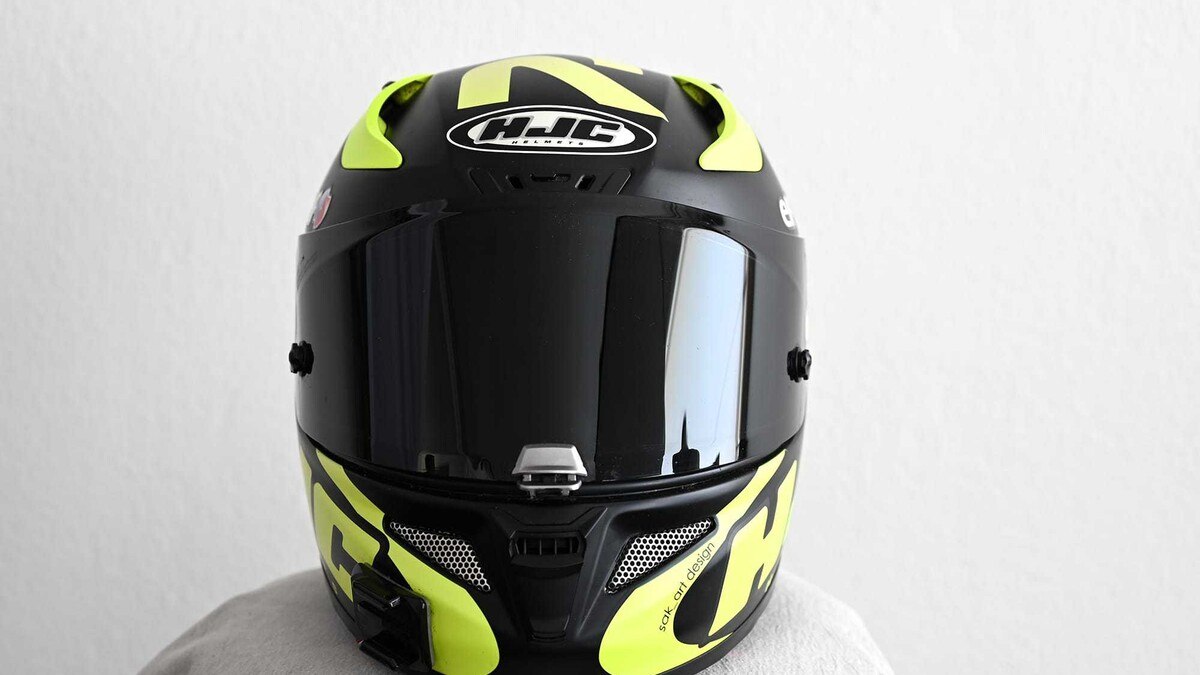

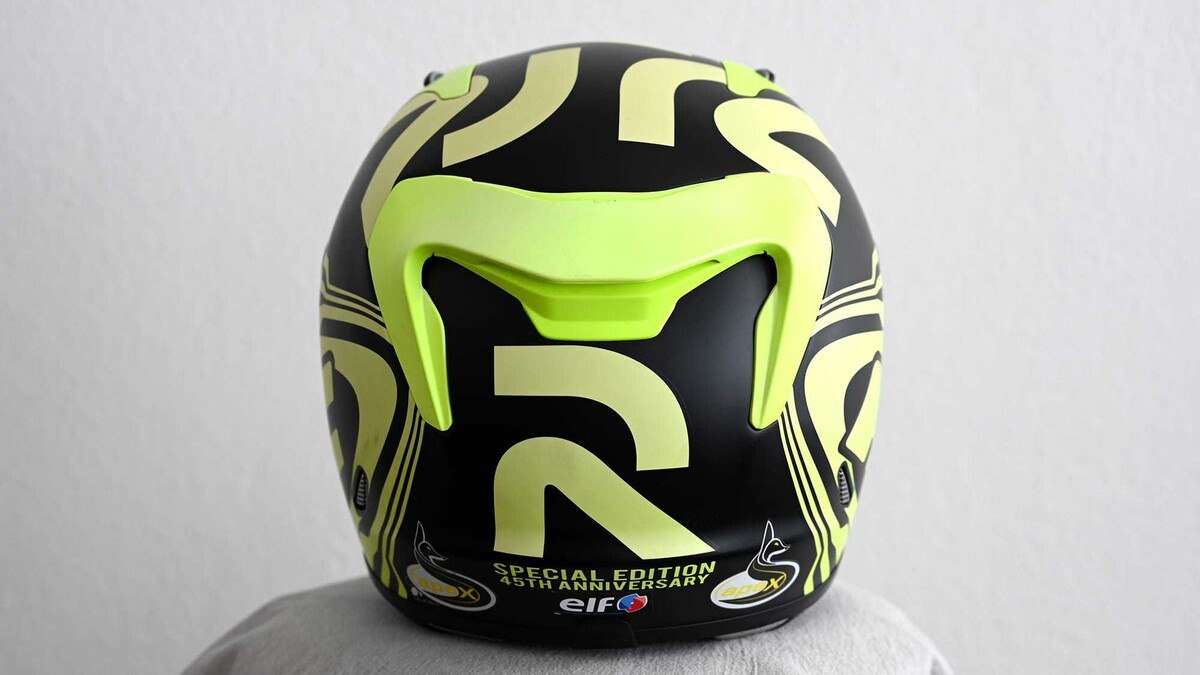
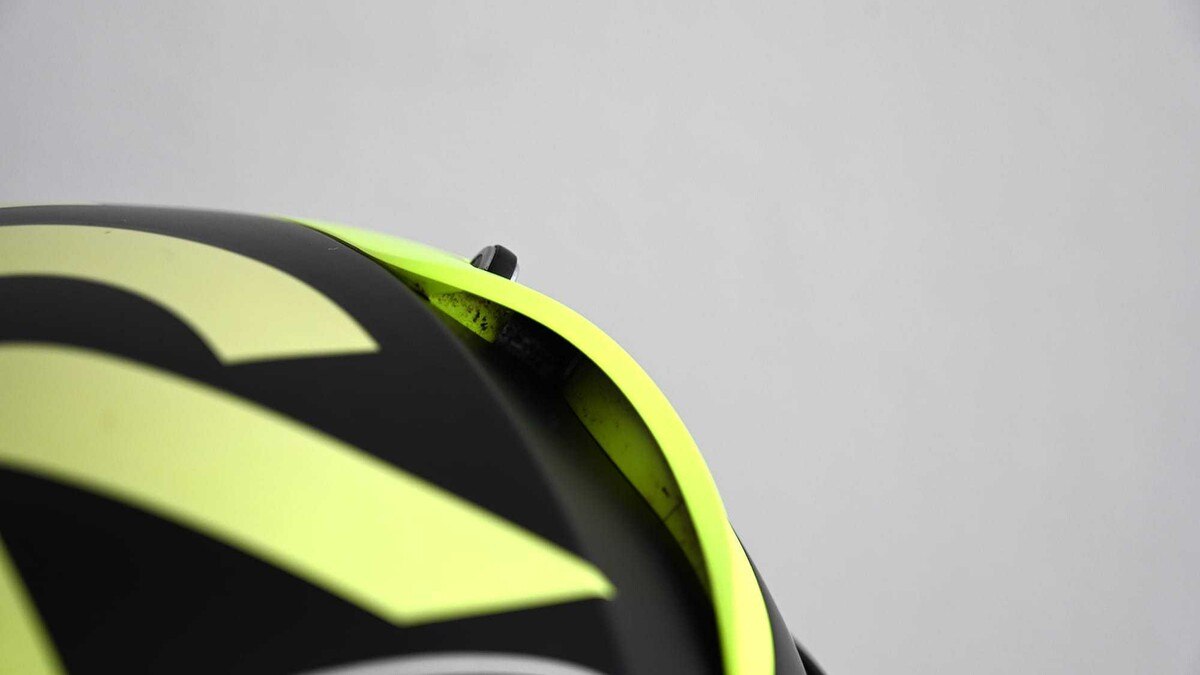
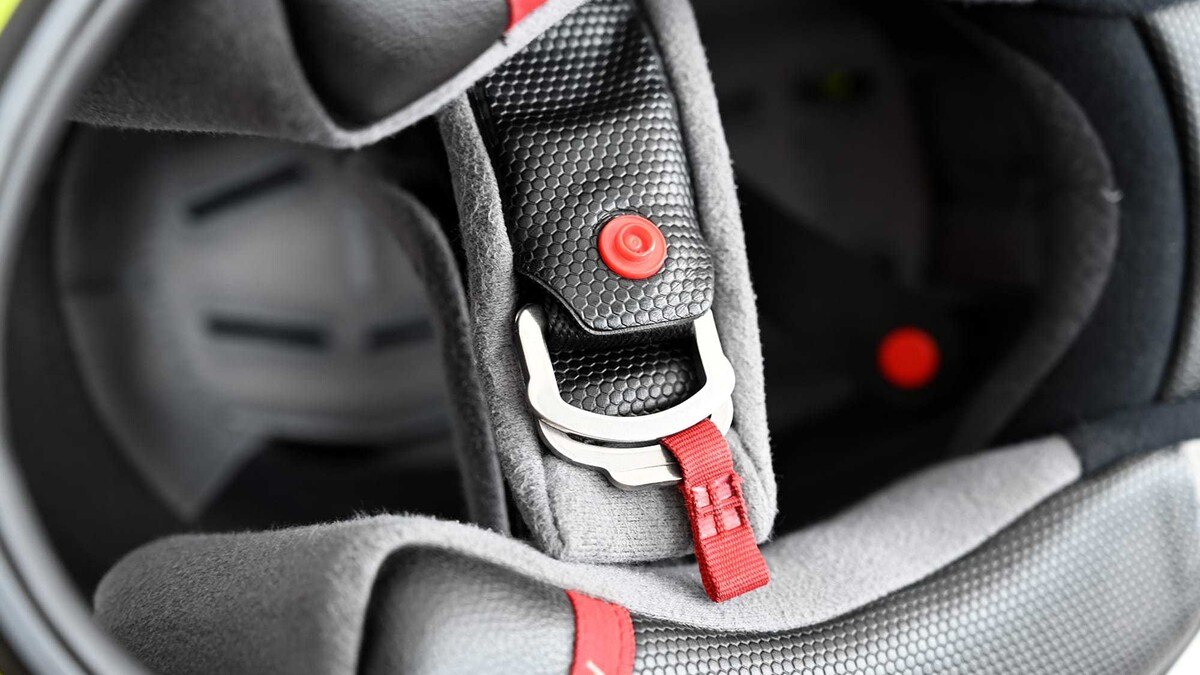

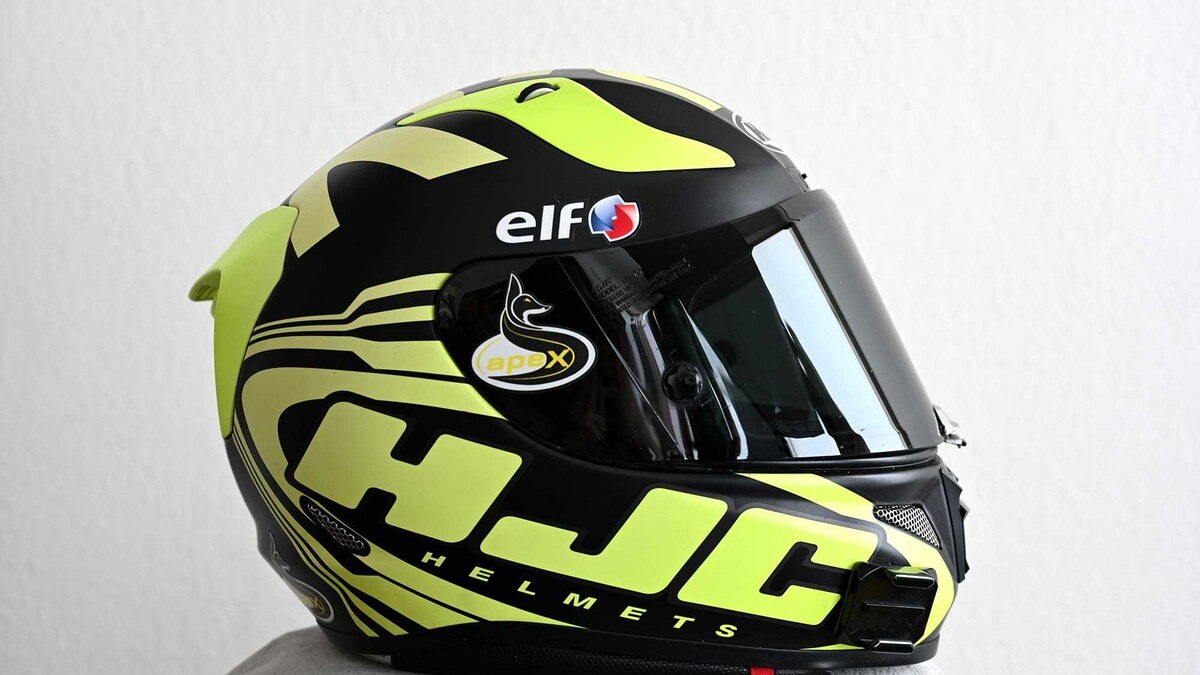

First of all: The HJC helmet was bought regularly in stores in April 2017, list price 449 euros.
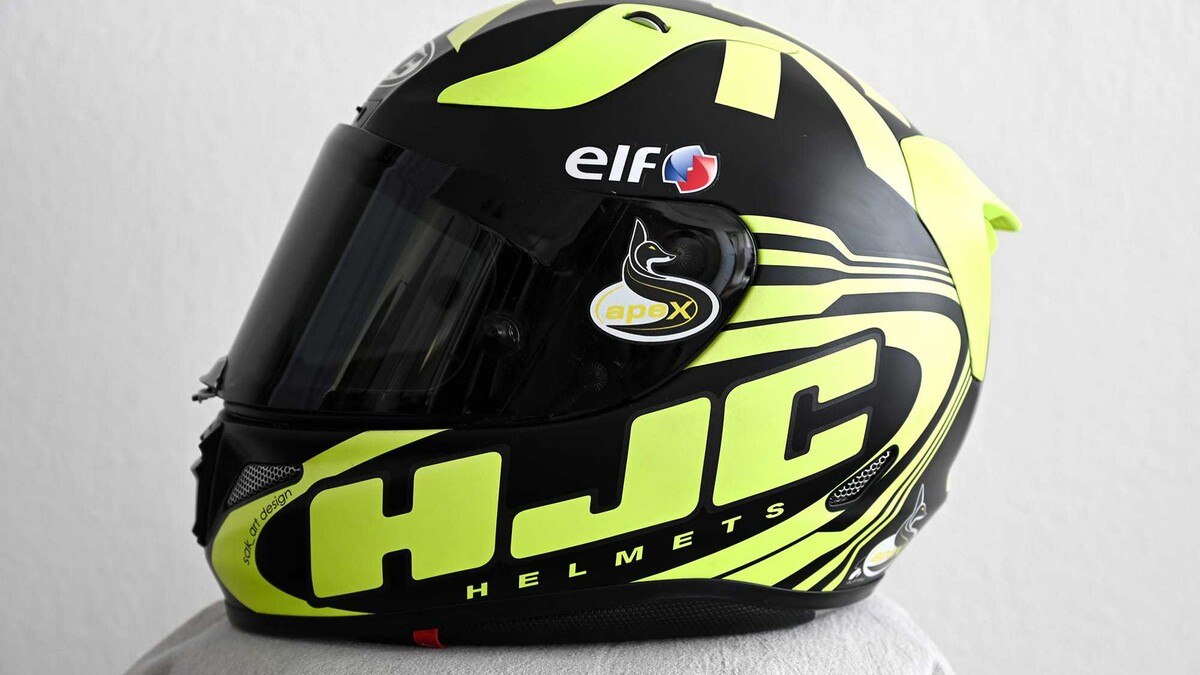
There were three reasons why I picked up the HJC RPHA 11. First: The design goes beautifully with the APEX colors. Second: the price-performance ratio. HJC delivers the RPHA 11 with two visors (clear and heavily tinted). The package also includes a Pinlock visor to ensure visibility even in rain or cold temperatures. All in all, you get a lot for your money at HJC. Third: The fit – especially for me as a glasses wearer. I have yet to meet a fellow motorcyclist who didn't fit an HJC helmet. I also had two other HJC helmets before that I was happy with. So I knew roughly what to expect.
Universal fit
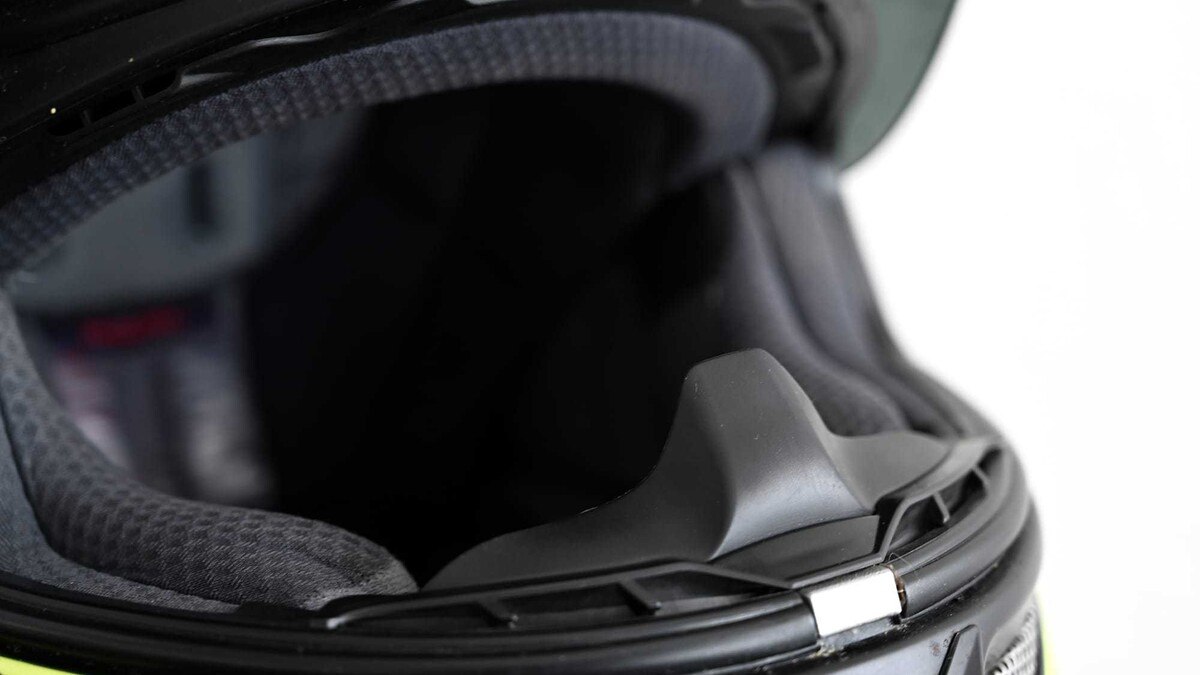
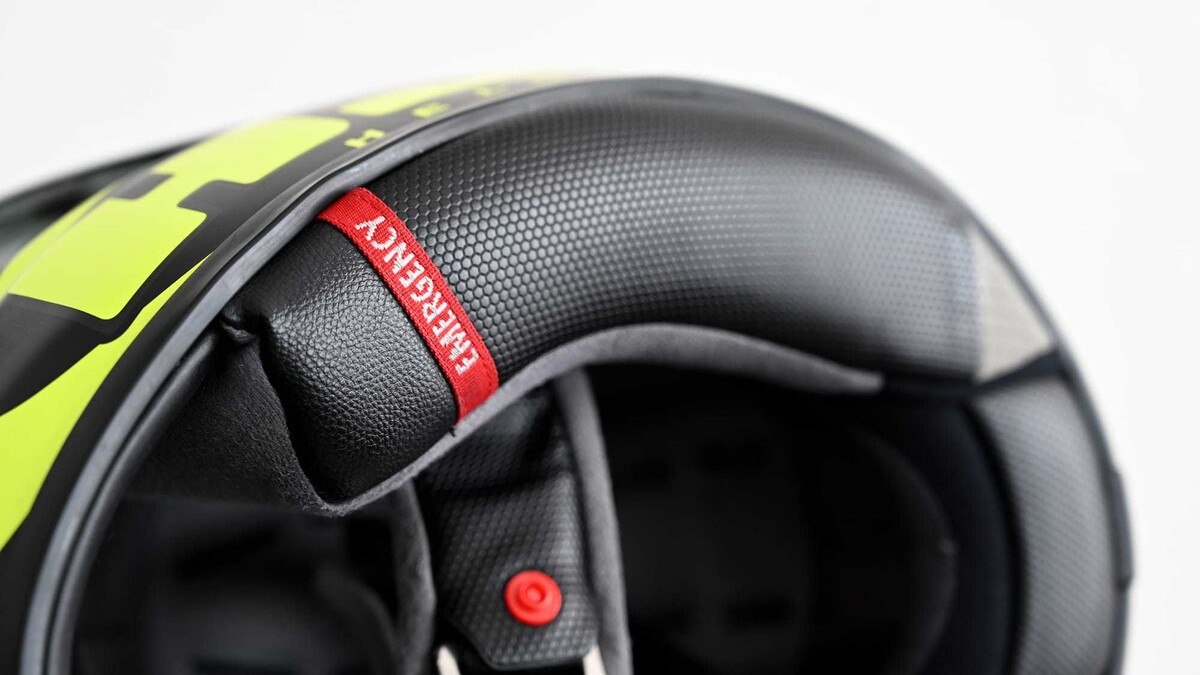
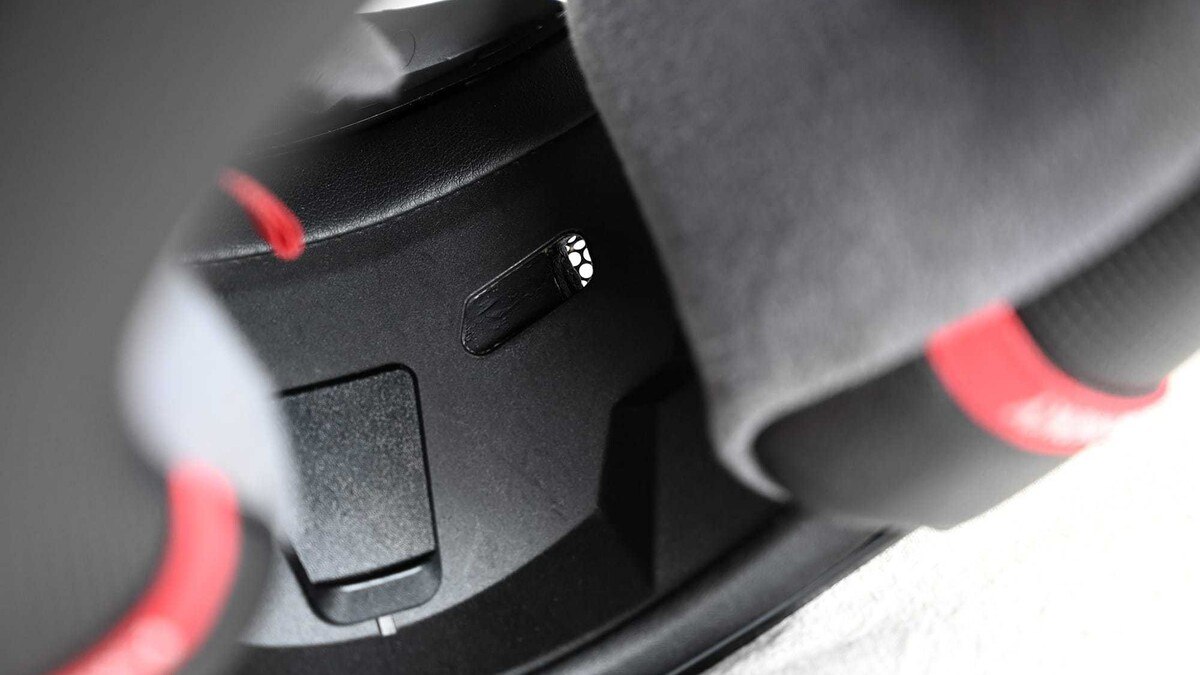
As every motorcyclist knows, the fit has to be tip-top in order to offer full protection if the worst comes to the worst. The HJC RPHA 11 sits comfortably tight on my head (size S) without pressing anywhere. Here the soft lining should have enough flexibility to be able to adapt to the individual head shape without pressure points. Particularly practical for me as a glasses wearer: there is enough space at the temples to be able to pass a thicker frame of glasses without causing pressure points. There is enough space behind the ears to completely slide in the frames of the glasses. The chin area extends far enough forward that you don't have to touch your lips or chin. Not every helmet manufacturer does this. The small breath deflector above the edge of the chin only partially delivers what it promises. If you breathe out in cool temperatures without a Pinlock visor, the visor will still fog up. But it works okay in everyday life. Practical: The emergency loops under the soft cheek pads. This makes it easier for first responders to remove the helmet without risking serious spinal injuries. A great, well thought out feature. The double D closure does what it's supposed to do and the inner lining is easy to remove and of course washable.
Moderate ventilation
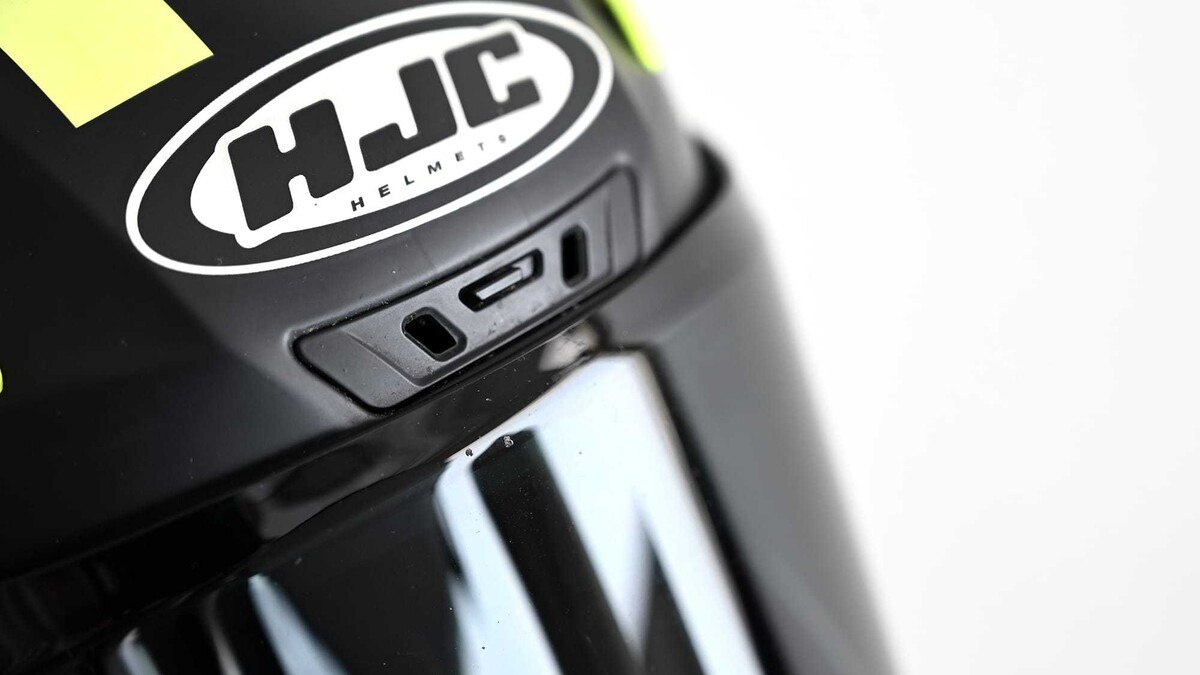
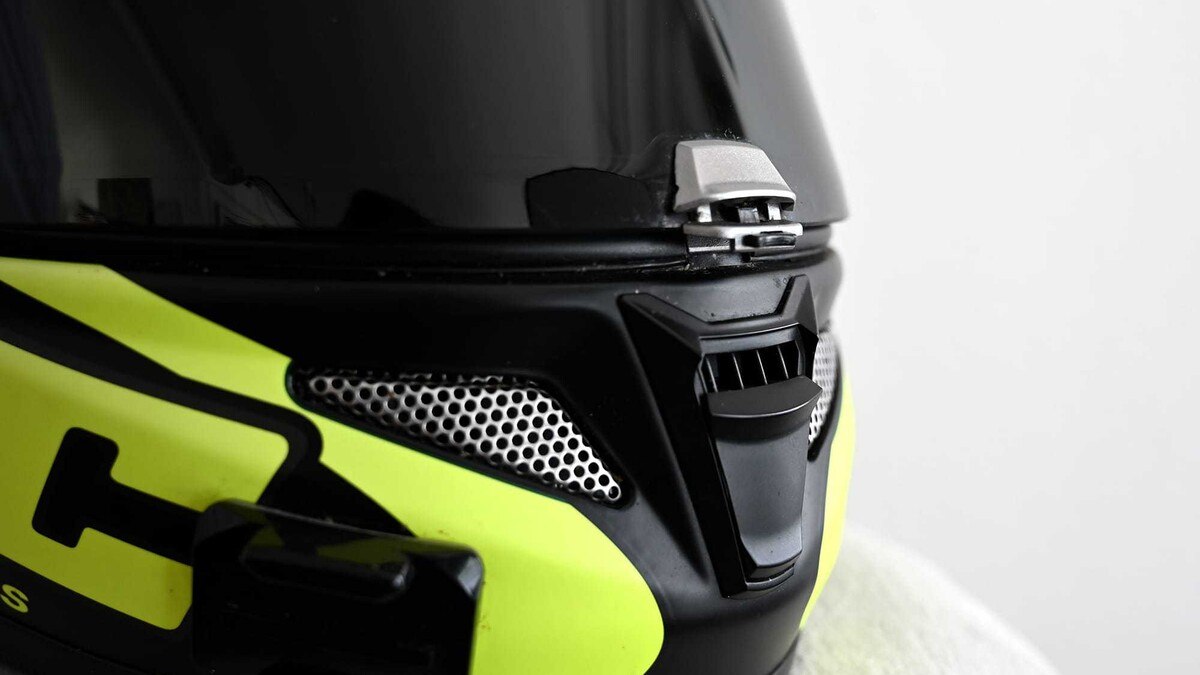
The HJC RPHA 11 offers three ventilation options: on the chin, on the forehead and two transfer channels on the top of the head. The chin ventilation can be opened and closed easily and loosely using the large slider - even when wearing gloves. The effect is okay, obviously it mainly serves to direct the wind onto the inside of the visor. The openings for forehead ventilation are very small, as is the slider for them. Difficult to open with gloves. In cool temperatures you can feel the wind quite well, in hot temperatures you hardly notice the fan. The transfer channels, on the other hand, work primarily by sucking the warm air out of the helmet. This means you don't feel a cool wind, but you also don't feel any build-up of heat. After three seasons, I actually ride in almost all temperatures with all ventilations open. I only close the forehead ventilation when it is well below 10 degrees. With the included Pinlock visor, neither visor will fog up under everyday conditions. Neither in the rain nor in particularly cool temperatures.
Good aerodynamics
Through the motorcycle test rides, I was able to test the HJC helmet on many different bikes and can give the helmet's aerodynamics a good rating. There are quieter helmets on the market, but since I almost always ride with earplugs and am sensitive to loud wind noise, I am acoustically satisfied with the RPHA 11. I also can't remember any test motorcycle where I noticed noticeable lift with the HJC helmet. It even seems to me that it sits well in the wind, as I didn't feel any unpleasant tugging on the helmet even when turning. That fits well.
Visor and field of view
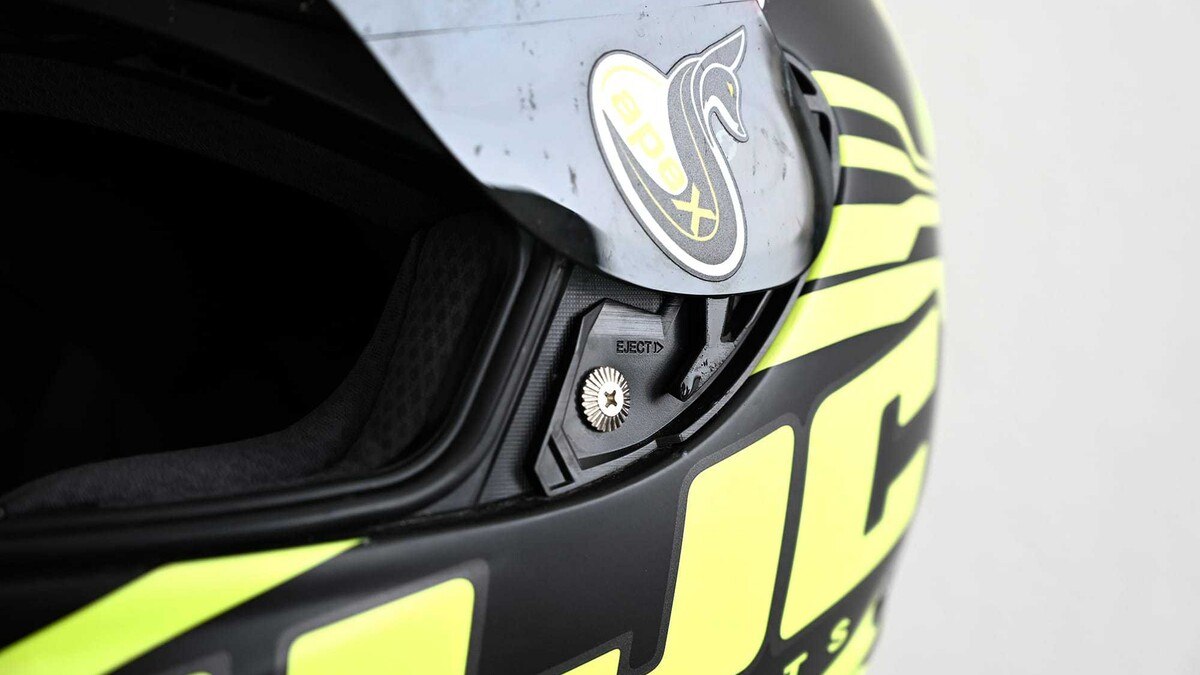
As already mentioned, HJC delivers the helmet with two different visors. The visor can be changed loosely and easily in two or three steps without tools. Open it fully, push two levers of the visor mechanism backwards and you have the visor in your hand. The interchangeable visor is inserted the other way around, closed, and you're done. The helmet does not offer an integrated sun visor – like all sports or racing helmets. The field of vision is pleasantly large. Even with a large lean angle and a low posture, you can always see the full extent of the road. There is a small mechanism built into the bottom center of the visor to lock the visor when it is completely closed so that it does not accidentally open at high speeds. I don't use this feature because it has never been necessary due to the good aerodynamics. The noticeable click on the mechanism when the visor clicks into place is pleasant. A small press of the lever and it is unlocked again and easy to open. The individual tilt detents of the visor are numerous enough to find a suitable position. The Pinlock visor is very easy to put on and take off again. The quality of vision through the plastic lens is very good with both the clear and heavily tinted visor. No optical distortions visible.
Suitability for everyday use
The quick, easy visor mechanism is a big plus point of the HJC helmet. The removable chin spoiler is practical because you don't need it in summer, but you can use it on cooler days. Thanks to good noise insulation, a comfortable, soft fit and a large field of vision, the helmet has no significant weaknesses in everyday driving. Weight: 1,339 grams, with visor, without chin spoiler and GoPro mount on the chin.
Design as a weakness
However, the HJC RPHA 11 Eridano makes a massive mistake when it comes to design: I deliberately chose the matt helmet because it hardly reflects in direct sunlight during photo shoots - the photographer thanks you for it. Only: The neon yellow design loses its luminosity and fades. In the first year there was nothing to complain about. At the end of the second season I noticed the first color differences. Now, over the course of the third season, some areas are noticeably paler than others. The bright neon yellow becomes milkier, whitish, and the punch of the color is lost. When I asked Managing Director Peter Kaiser from HJC Europe, the answer was:
"The paintwork of the helmet in question contains fluorescent components. These components react sensitively to UV radiation, which can be reflected in fading of the color. Therefore, fluorescent HJC helmets should only be exposed to the sun to a limited extent and should always be stored in the helmet bag when not in use. Complaints in this regard will be dealt with accommodatingly by HJC within a period of 12 months from the date of purchase. After that, the warranty claim for fluorescent colors expires."
HJC advertises a five-year guarantee. At the time of going to press I was on the HJC website No information found regarding the exclusion of warranty claims from HJC and fluorescent paintwork. When asked, Kaiser answers:
"In the future, all of these helmets will be equipped with a disclaimer. In the transition phase, we are quite accommodating and will exchange the helmet if it is not otherwise damaged, and we will also inform the customer accordingly. In the meantime, HJC has also worked on improving the quality of the fluorescent colors. Alternatively, there is the option of a credit note."
Forum posts report goodwill solutions, the helmet was exchanged free of charge. For my part, I am very disappointed that the helmet, which was used almost exclusively for photo trips and was otherwise always stored in a box protected from light, is losing its magical luminosity so quickly. That's better. It was not known at the time of going to press whether HJC would still exchange my helmet as a gesture of goodwill.
Test result HJC RPHA 11, by p.bednar
More information about HJC helmets
With kind support from TOTAL Austria
More action photos from the test drives can be found on Instagram: apex_moto_at
Or follow us on Facebook: Apex Moto