

 Suche
Suche
 Mein Konto
Test Ducati Multistrada 950 – Italian wanderlust for speed junkies
The Multistrada 950 is the entry into Ducati's travel enduro world. As a private Multistrada 1200 driver, my first thought was a painful downgrade. But after a few days with the classy Italian, I was surprised.

Test Ducati Multistrada 950 – Italian wanderlust for speed junkies

ergonomics
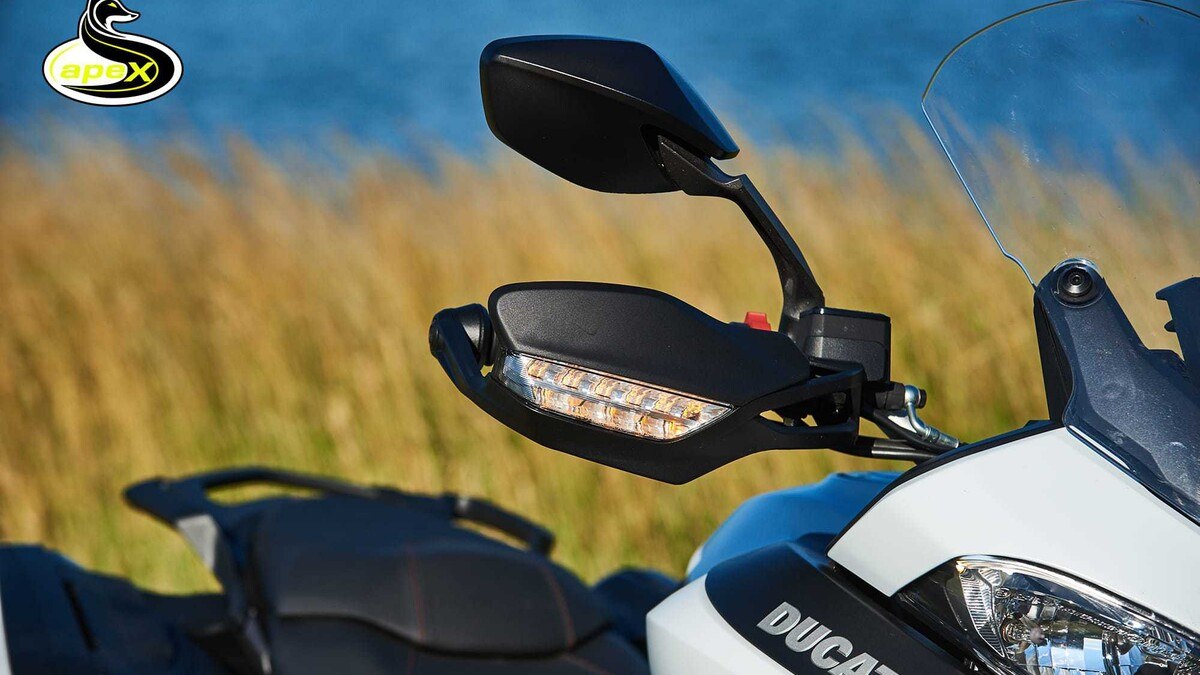
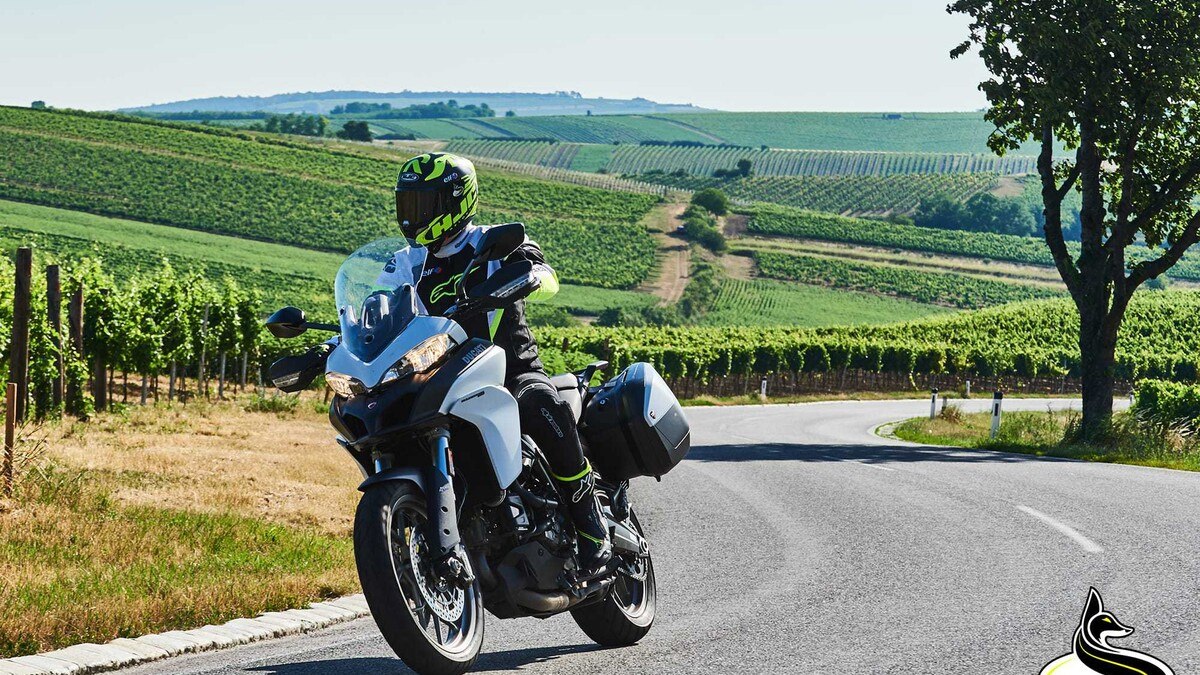
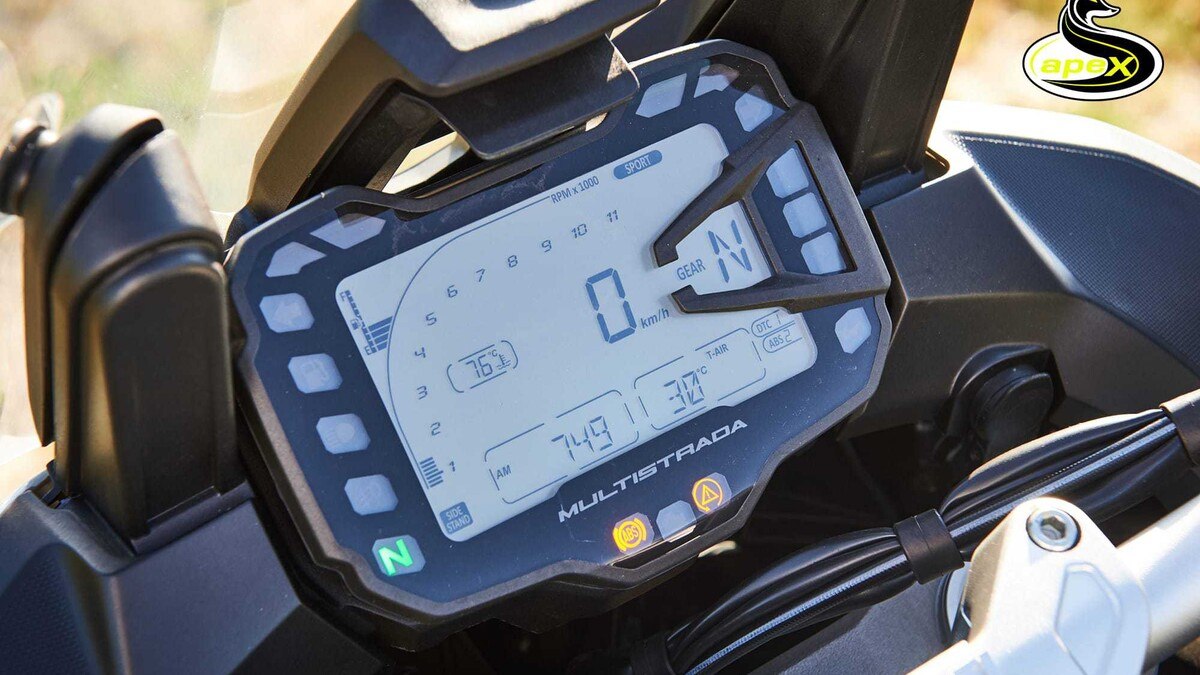
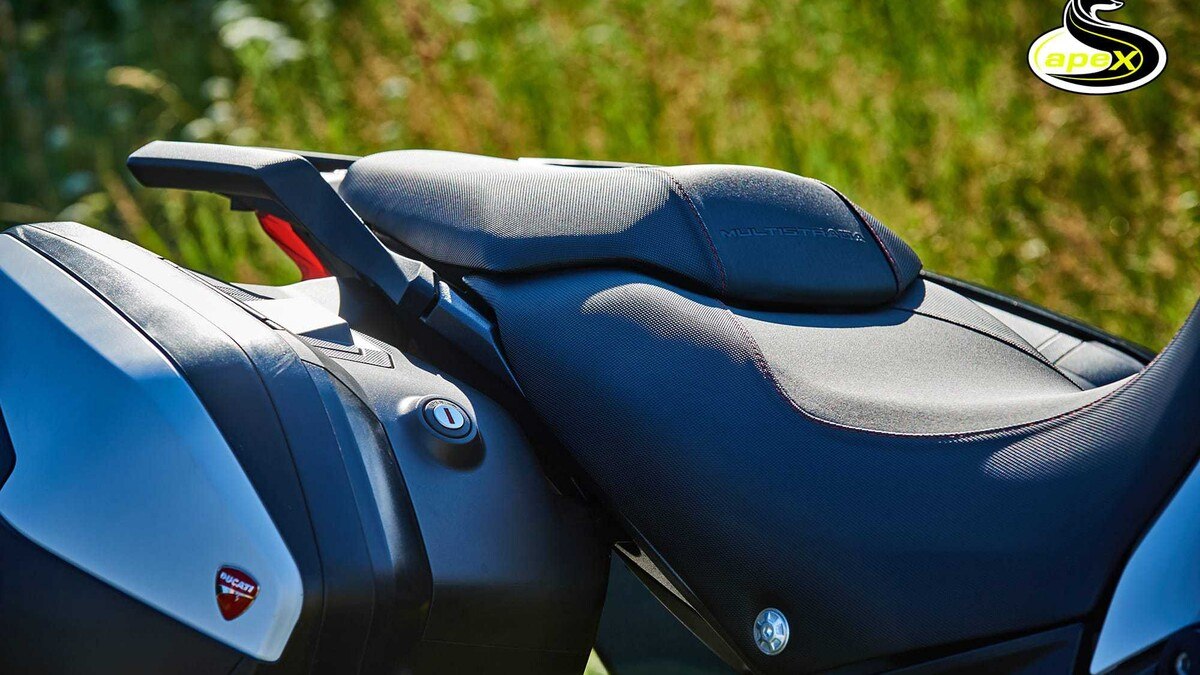
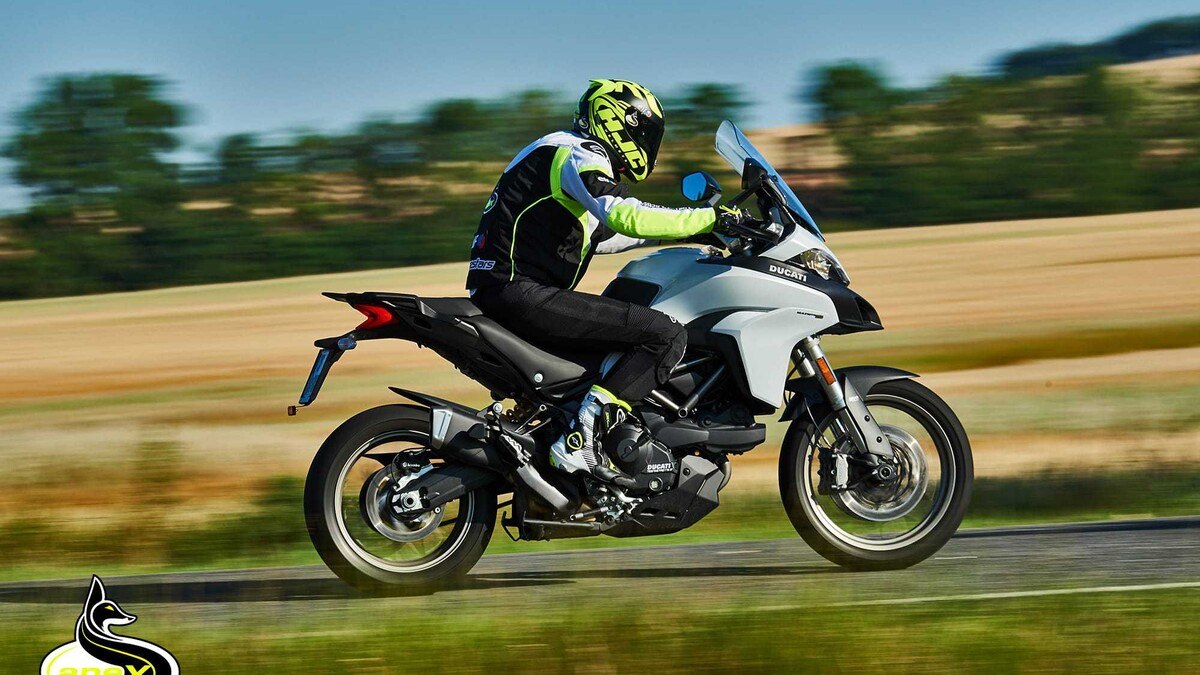
What I like so much about the Multistrada is its front wheel-oriented seating position. While in the saddle of the GS you feel like you're sitting half a meter further behind the front wheel, on the Multistrada you feel like you're sitting directly above the front axle. There is correspondingly a lot of feedback from the front. Shorter pilots might be annoyed because the seat height of 840 mm is not to be underestimated, even for my long stork legs, and can be tricky when turning. The two-part bench is comfortable and pleasantly shaped. The driver's butt still has plenty of room for the pillion cushion, the knee fit is good, and the tank is high but not particularly wide in the crotch. All in all, you sit upright on the Multistrada 950 with a relaxed knee angle and actively ride. Compared to the 1200, the wind protection has improved.
Handling
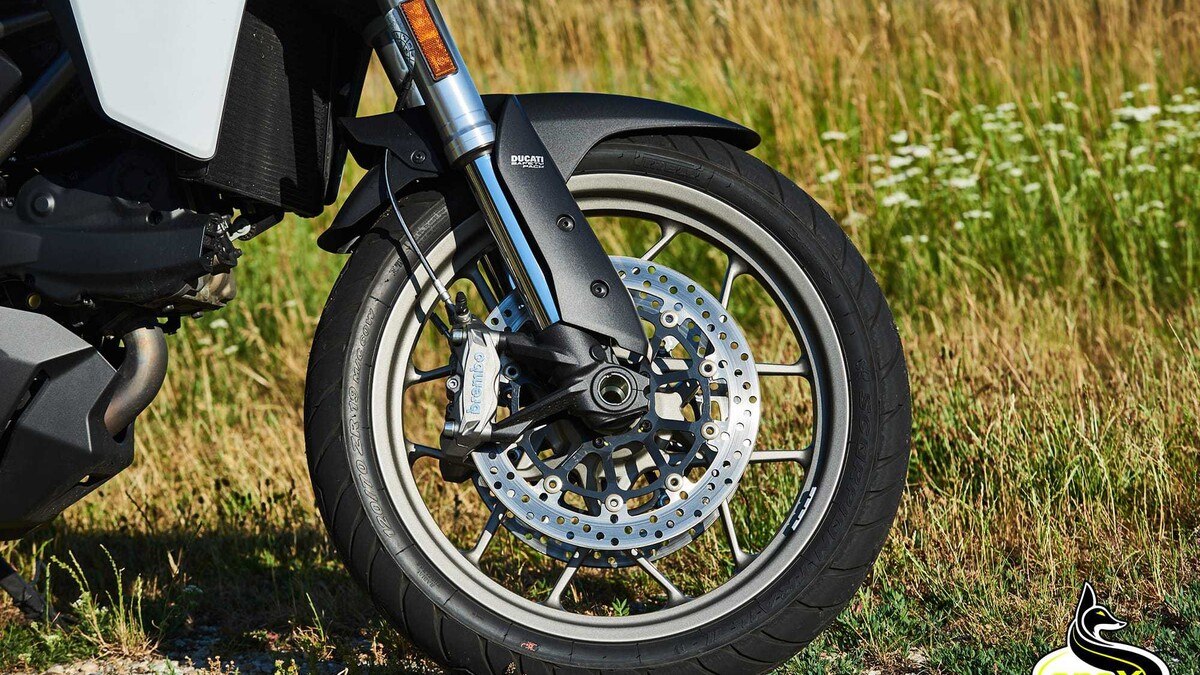
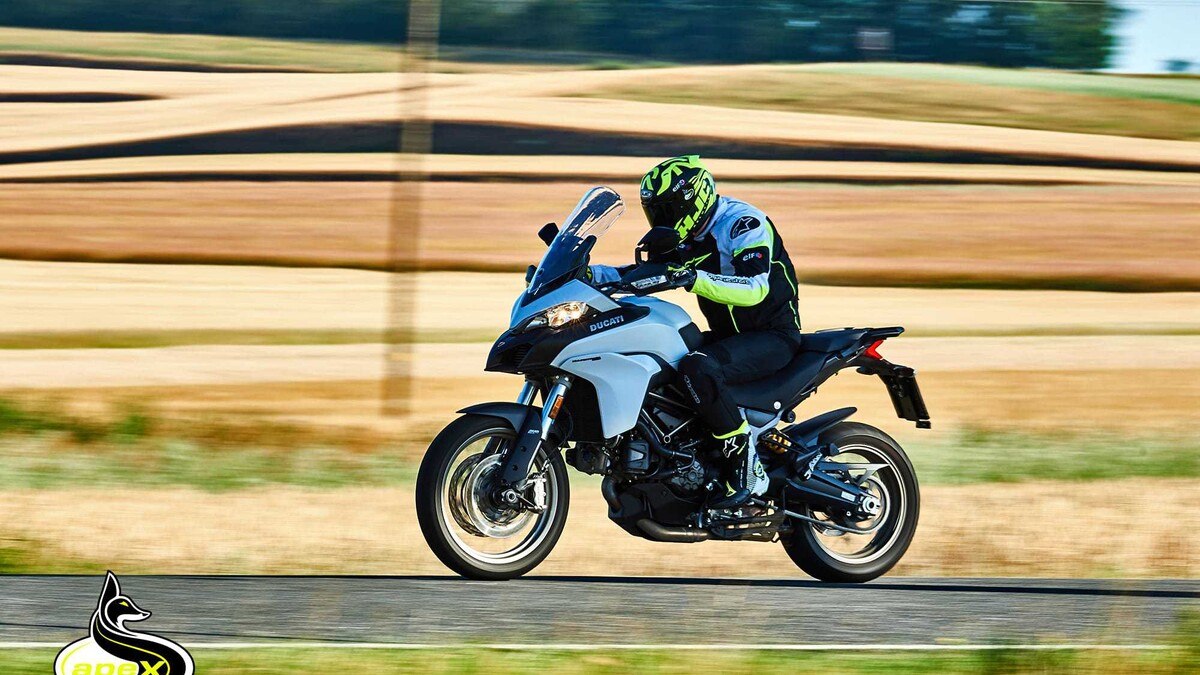
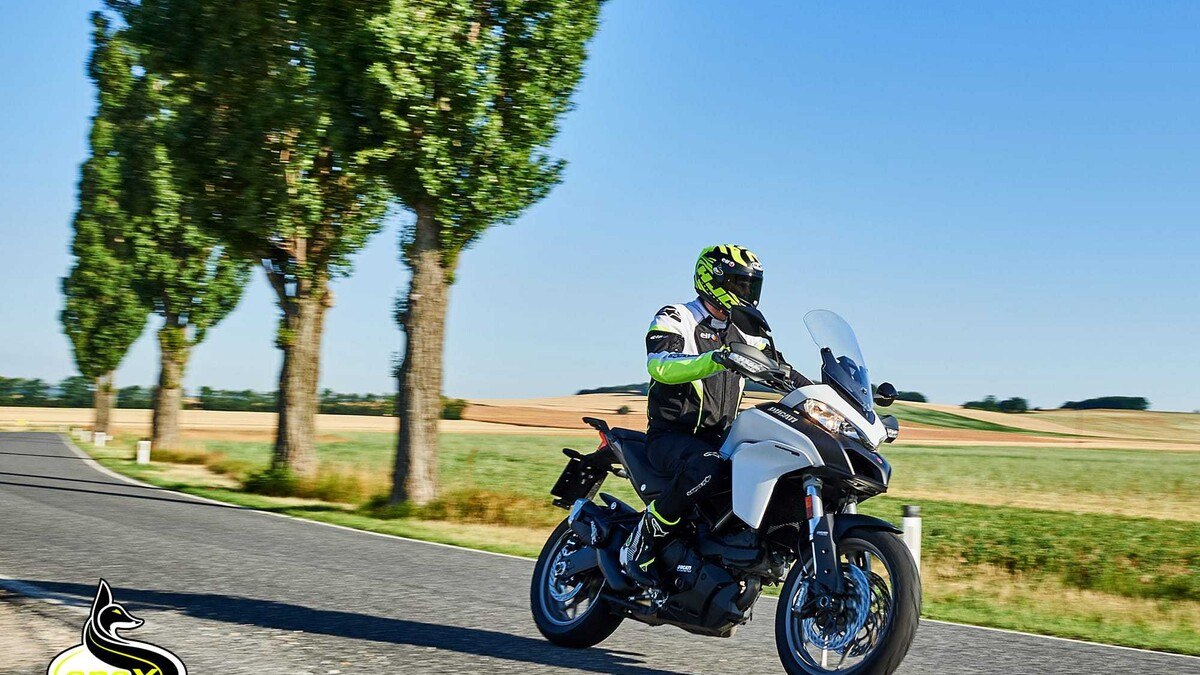
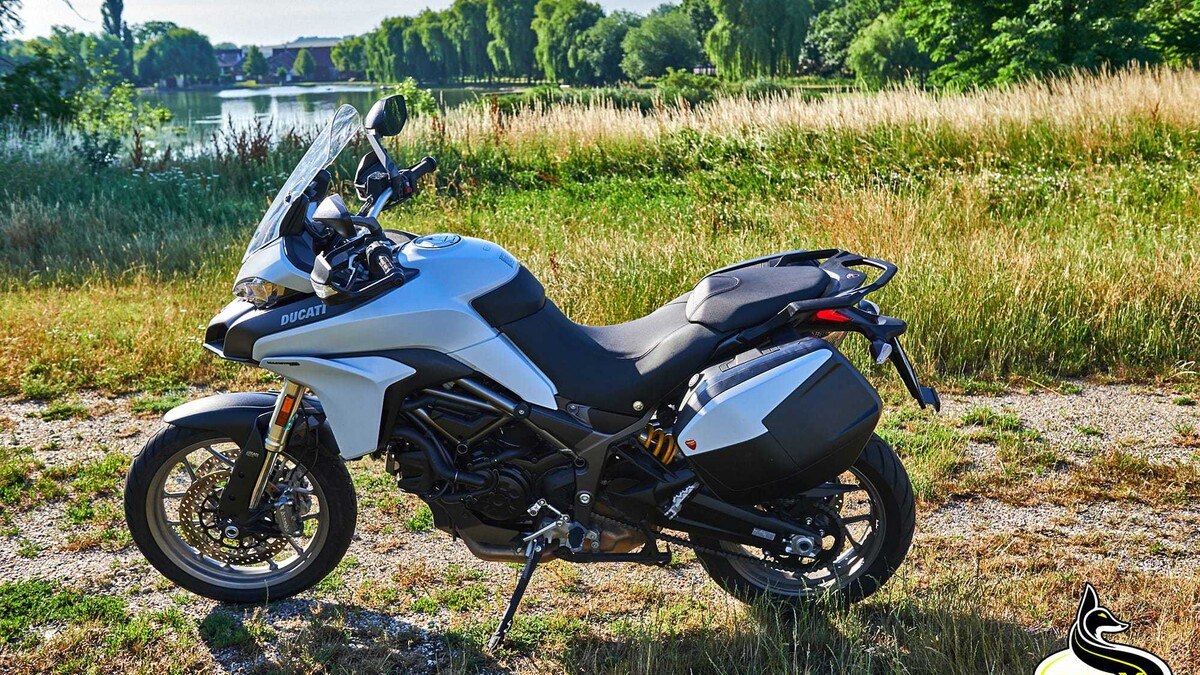
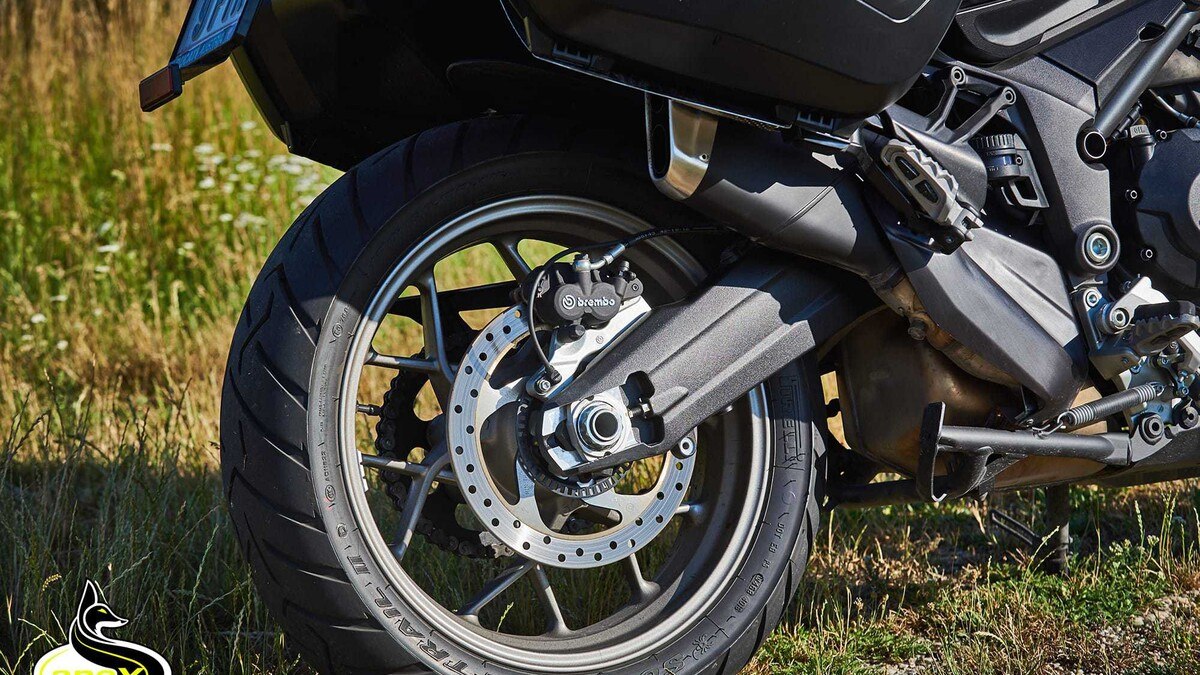
After the first few corners I was a bit surprised: the handling is noticeably different from my 2010 1200 Multi. The reason is even more than obvious: the front wheel is 19 inches instead of 17. This brings certain stability advantages, especially off-road. The rear wheel is 17 inches in the familiar format, but only has a 170/60 tire fitted. The big Multi has a 190 mm rear tire. It is the same wheel and tire combination as in the Multistrada 1200 Enduro. This means that the intended use is undoubtedly more dual than with “normal” 1200 Multistrada. The wide handlebars make handling quite light-footed. The large turning angle is practical, as it also allows turning maneuvers on narrower roads. If you increase the speed, the Multistrada 950 becomes noticeably slower and requires more force on the handlebars to initiate a change of direction. You can speak of the typical Ducati stability, because the faster you get, the more the Multi feels. The extra stability gives less experienced drivers in particular the confidence that is needed in fast corners. Even rough asphalt edges or deep ruts don't upset the long-legged travel companion.
Engine/gearbox
The typical 90-degree two-cylinder engine with its 937 cubic meters is known from the Hypermotard 939 and the Supersport 939. Nevertheless, the mapping is likely to be different because it operates noticeably more gently and with fewer load change reactions than in the Supersport. Ducati promises 113 hp and 96 Nm. As a 1200cc driver, when I looked at the data sheet I thought: oh dear. A completely different feeling in the saddle: The DVT engine (with variable valve control) doesn't quite have the oomph from the basement of the old Testastretta engine (there's no substitute for displacement), but it's very decent and powerful from 3000 rpm onwards. The bad side of the engine is neither its maximum power nor its smoothness, but above all the strong, wide middle. The engine is well tuned between 3500-6000 rpm, hangs directly on the gas and has exactly the boom that you can bring onto the asphalt without fear. At the top, the engine increases again, but for me personally, turning it all the way to the limiter doesn't suit the motorcycle. With the Multistrada 950 you want to surf through the corners on a moderate wave of torque and find your lean rhythm smoothly. The gearbox was largely unremarkable, only the distances from 1st to 2nd gear and from 5th to 6th were a little longer. What was also surprising was the sound, which from around 5000-6000 rpm at full load obviously puts the flap on the throttle and hums much more powerfully from one moment to the next. Never flashy or cruelly loud, but still more voluminous than when you're bubbling along at low speed.
Undercarriage
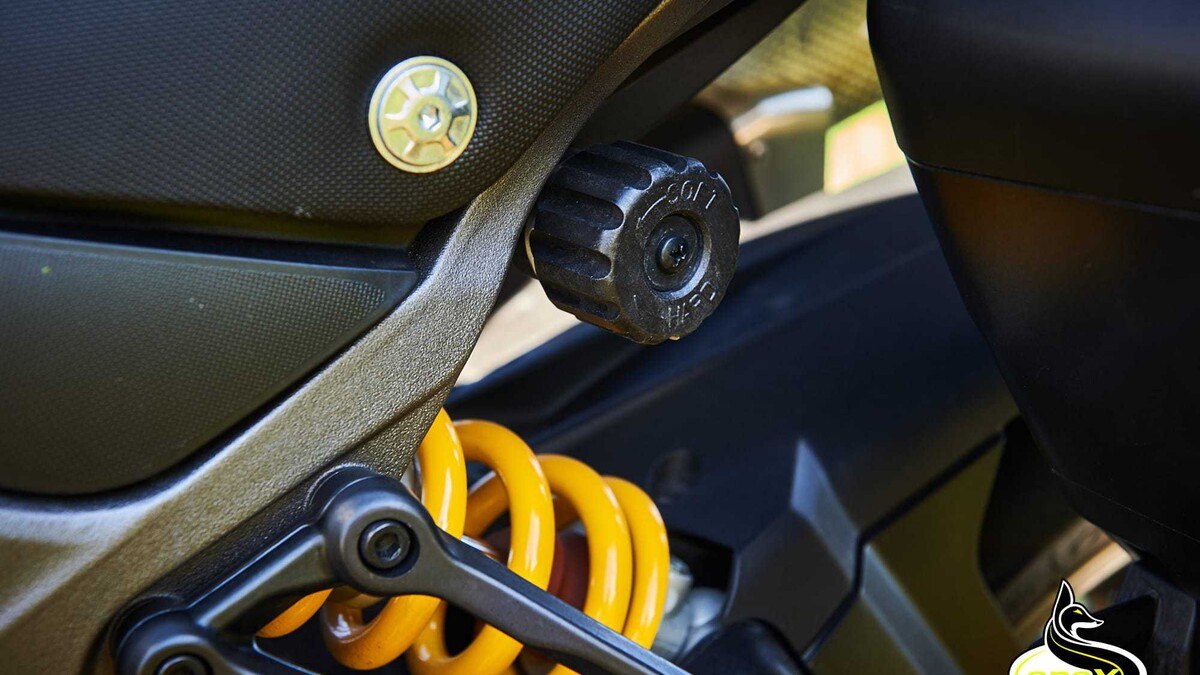
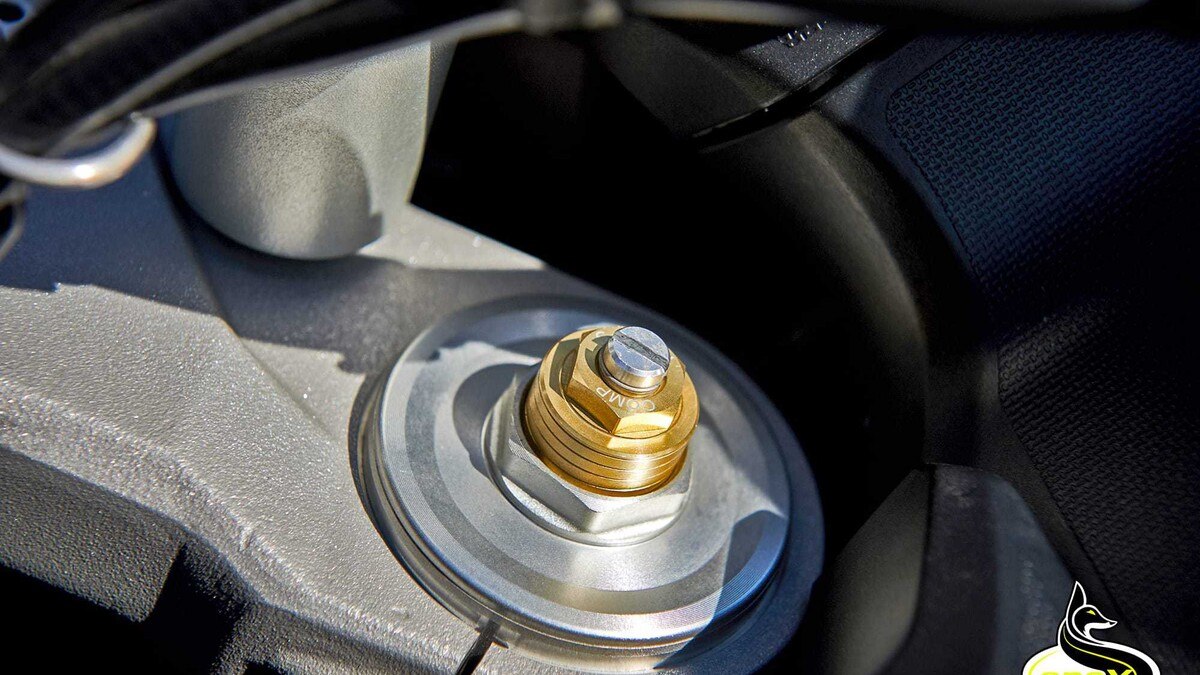
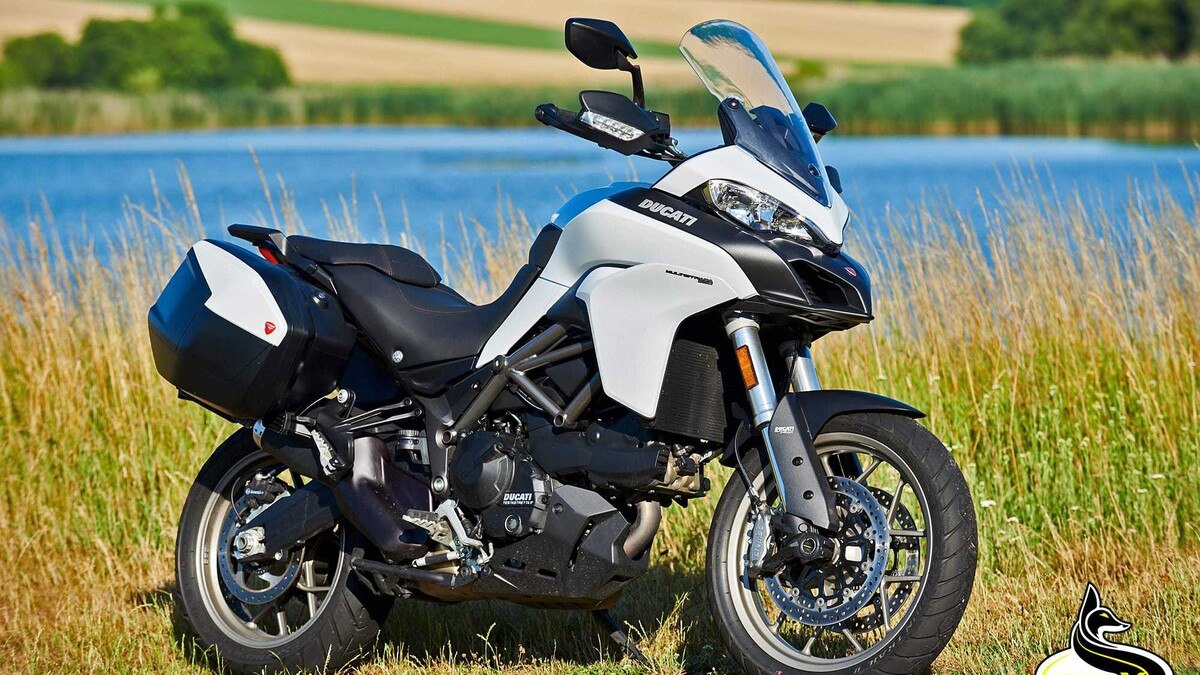
No active electronic Öhlins suspension, but tried-and-tested, adjustable analogue goods. The Kayaba USD fork is fully adjustable and works really tight. Although there is a rapid compression when braking, it is transparent and noticeably hydraulically damped. The progressive Sachs shock absorber is also a little tighter and not only swings along, but also absorbs uneven ground in a predictable manner and with a lot of feedback. The handwheel for preload adjustment is practical. Whether loaded with a suitcase or completely unburdened - the Multistrada 950 can be maneuvered in a pleasantly predictable manner and poses no puzzles. The active chassis offers a little more comfort for road use, but the standard chassis of the small Multi is easily enough for very ambitious cornering. This is matched by the great freedom of lean angles. The only downer: the two-sided swing arm. It's not that noticeable because of the exhaust, but real Ducatif fans know that traditionally a single-sided swing arm would have to work there.
Brakes
In short: perfect, actually. The rear brake finally works and can be controlled in an exemplary manner. The front stoppers have a sporty bite but are not overly aggressive. Unfortunately, the test motorcycle probably had some air in the brake system because the lever travel from the front wheel brake was unusually long and the pressure point was a bit weak. So you had to pull the lever courageously and almost to the handle until the ABS started gently and safely. However, the delay was always constant and really good for the dry weight of 204 kilograms (236 kg ready to drive, factory specification).
Noticed
The perfectly solved height adjustment of the windshield: Simply pull a small bracket on the inside of the windshield and then continuously adjust the height. The workmanship is great, the material appearance is of high quality across the board. The cable clutch was smooth and finely adjustable. And a big plus point: the major service including valve adjustment is only due every 30,000 kilometers. This noticeably reduces the maintenance burden on frequent drivers.
Failed
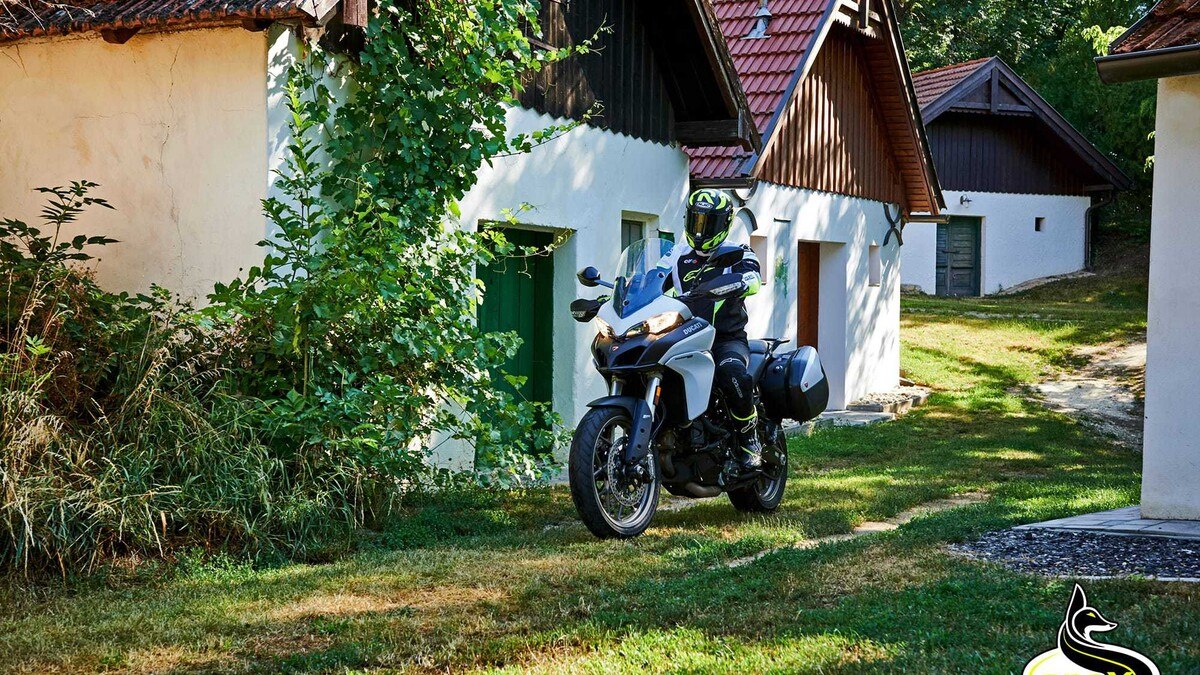
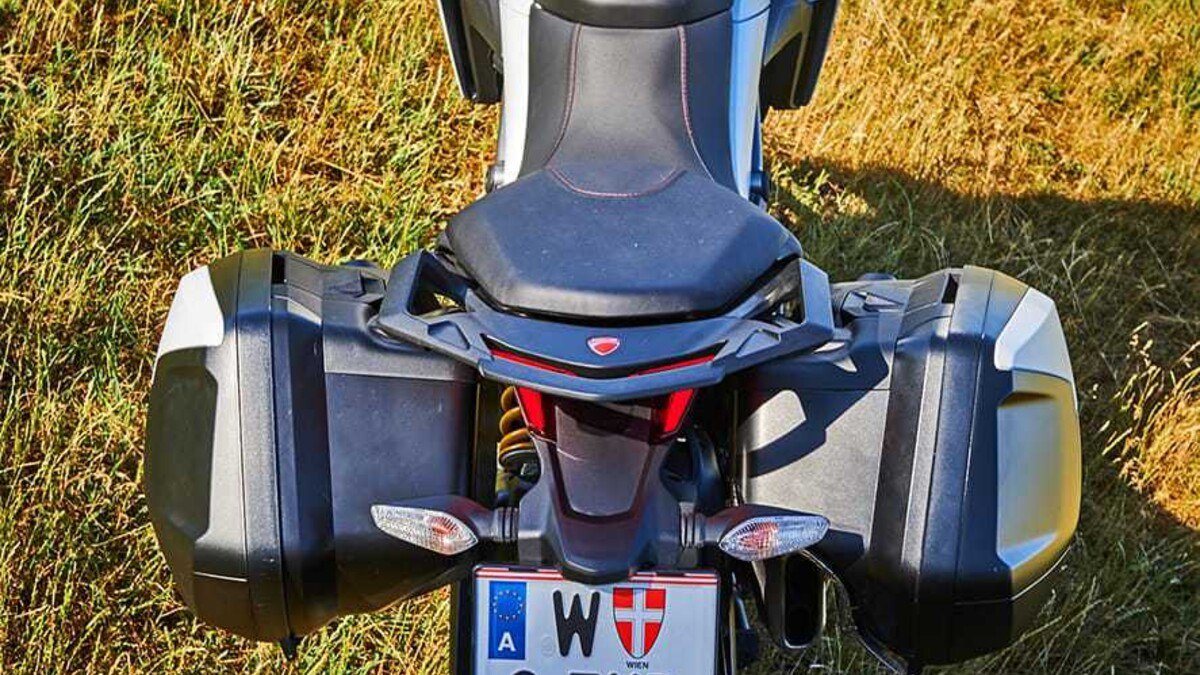
The suitcase set on our test motorcycle. On the left it went up comparatively easily, one or two hard hits, then it clicked into place so that you could close the suitcase. But on the right side it took brute force to knock the two retaining tabs into the correct position. Even if the suitcase set was completely new and the plastic noses will certainly wear in a little over time, it really shouldn't be that difficult on a 15,000 euro motorcycle. Once the suitcases are up, you can get them down easily and without using force.
Test verdict: Ducati Multistrada 950, by p.bednar
More information about Ducati Multistrada 950
With kind support from TOTAL Austria
More action photos from the test drives can be found on Instagram: apex_moto_at
Or follow us on Facebook: Apex Moto