

 Suche
Suche
 Mein Konto
Test BMW F 850 GS Adventure - all-rounder at a luxury price
The BMW F 850 GS in the adventure version can basically do a lot: road, gravel or easy terrain, it can travel on anything. But: The Bavarian enduro touring bike is priced far too expensive.

Test BMW F 850 GS Adventure - all-rounder at a luxury price





ergonomics
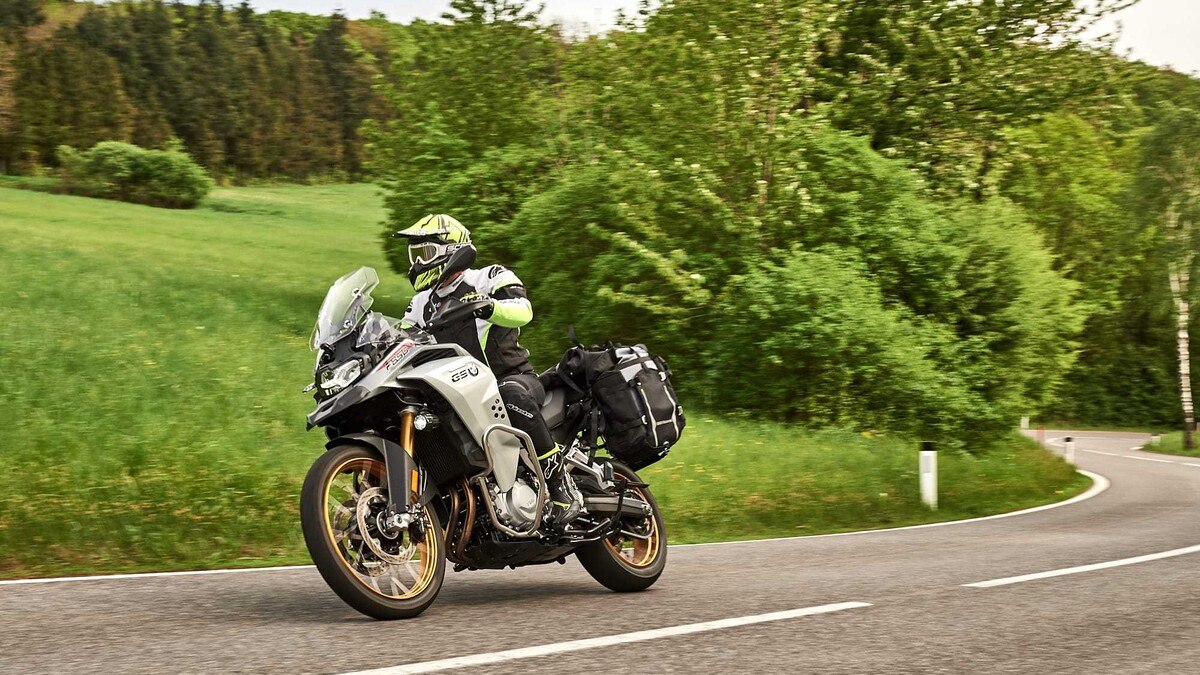
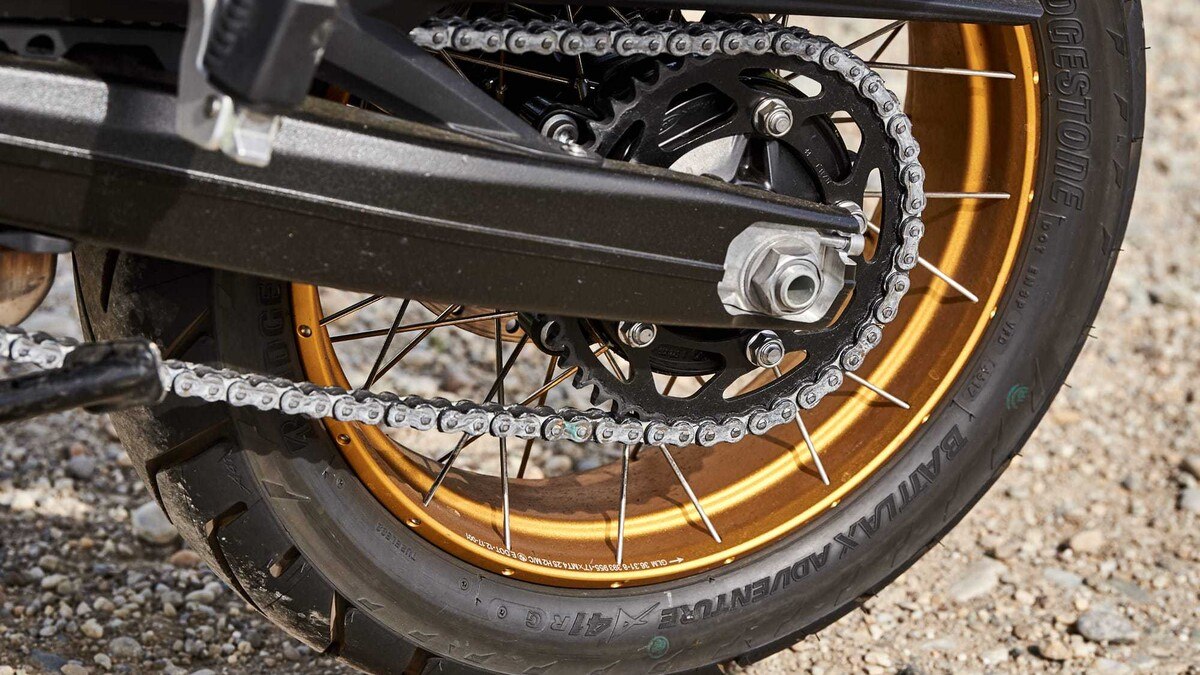
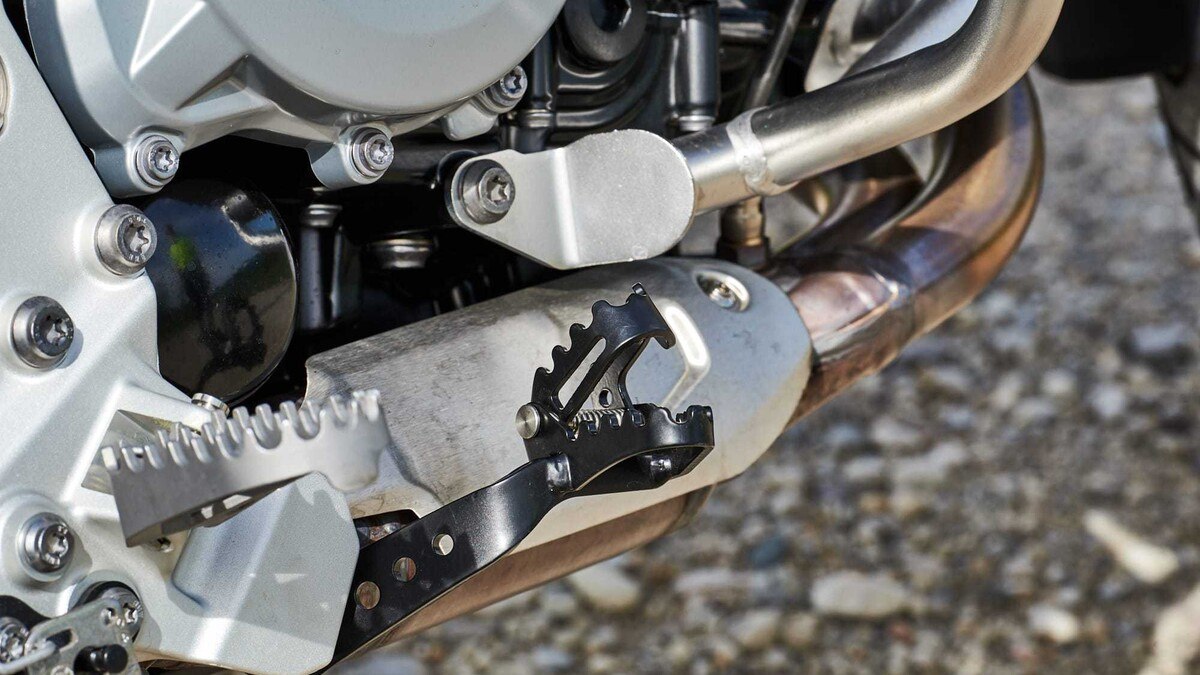
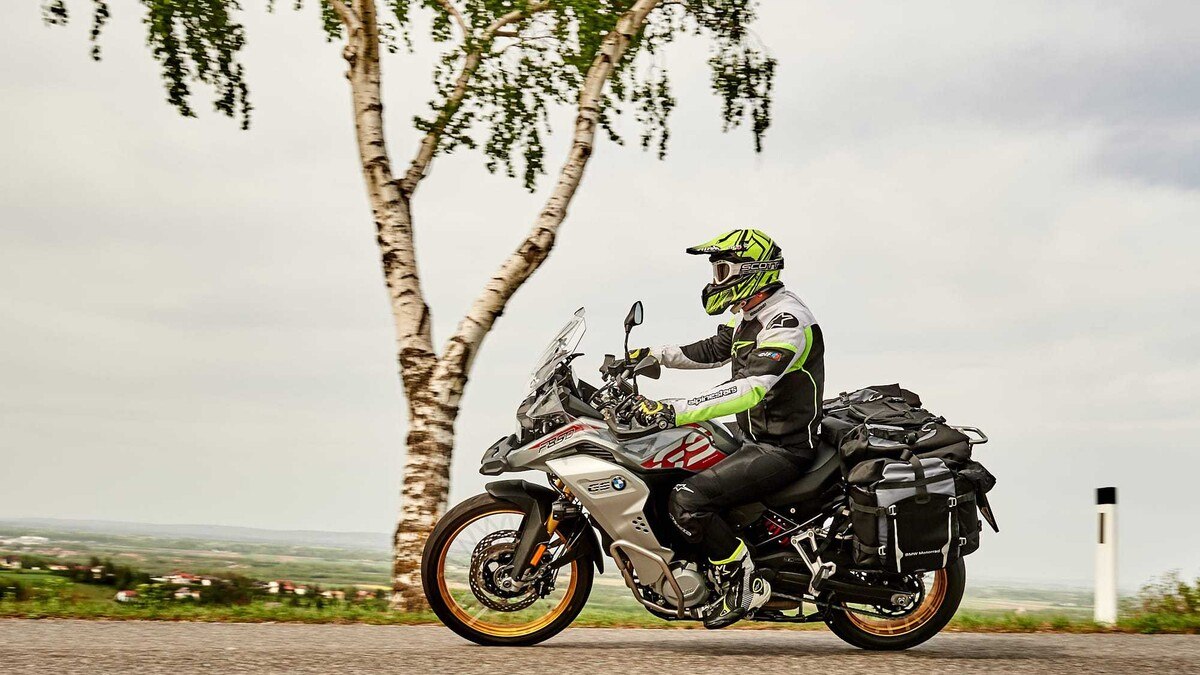
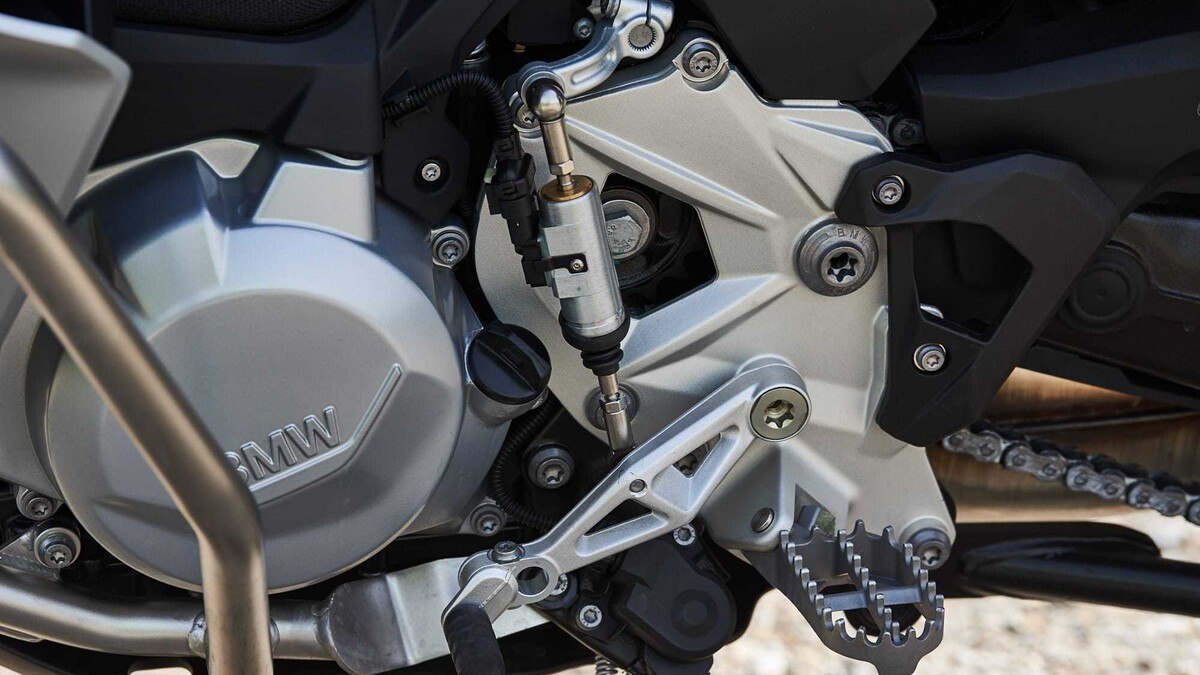
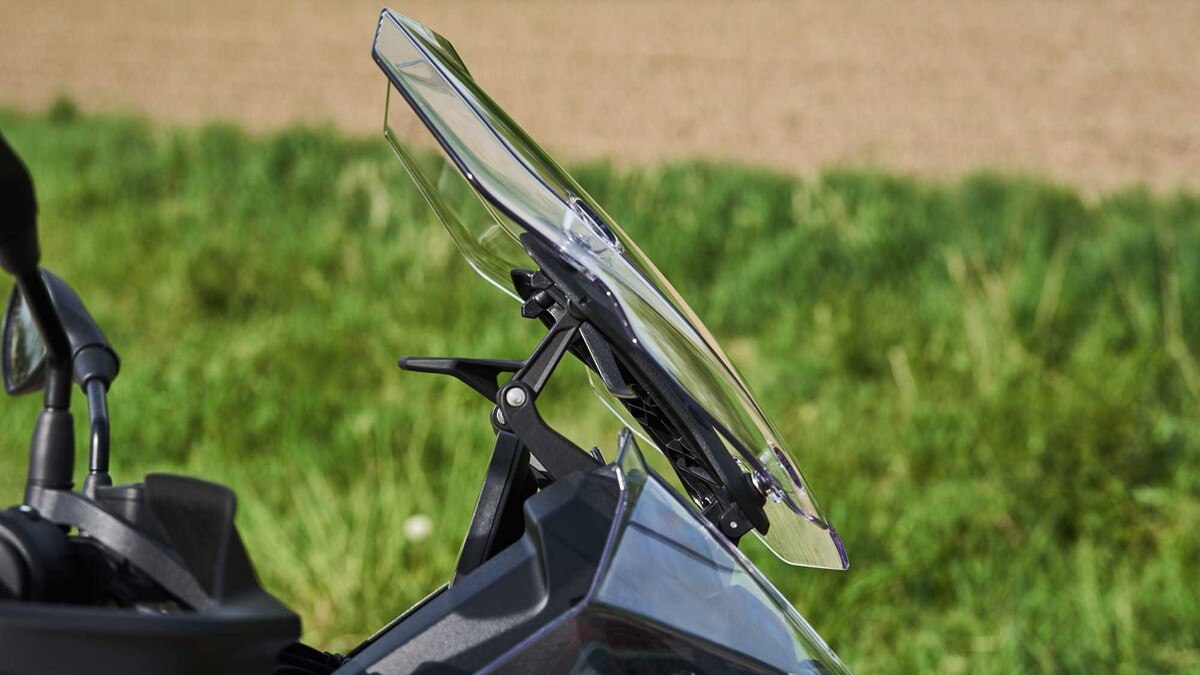
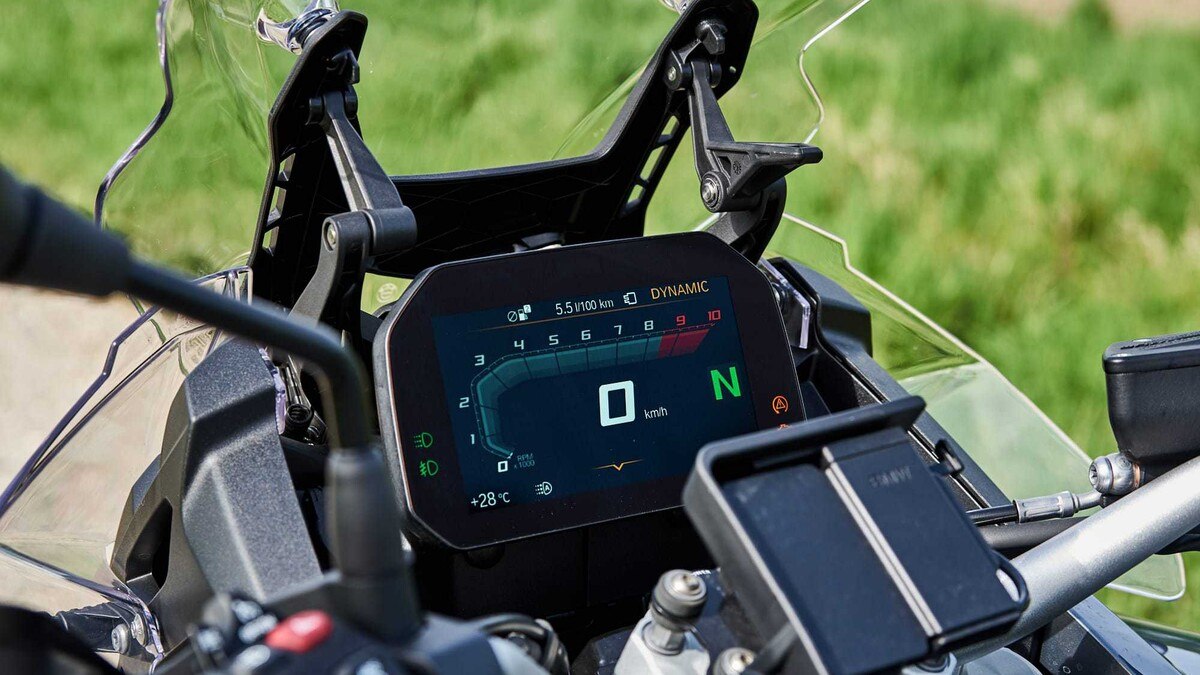
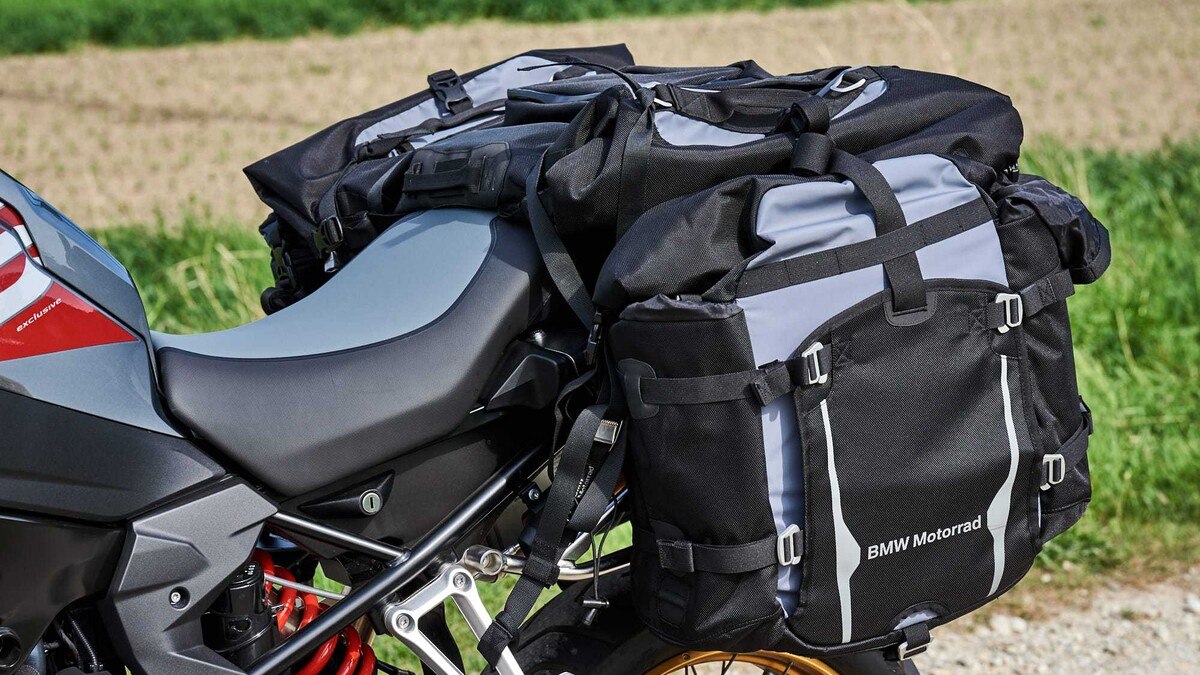
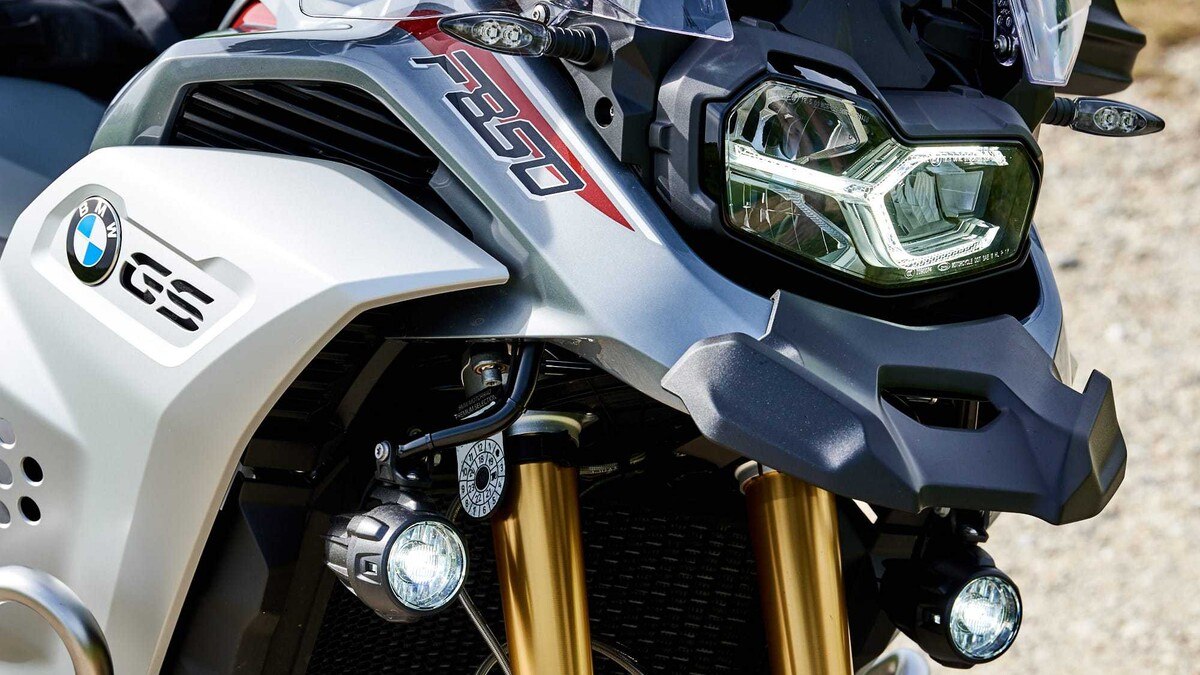
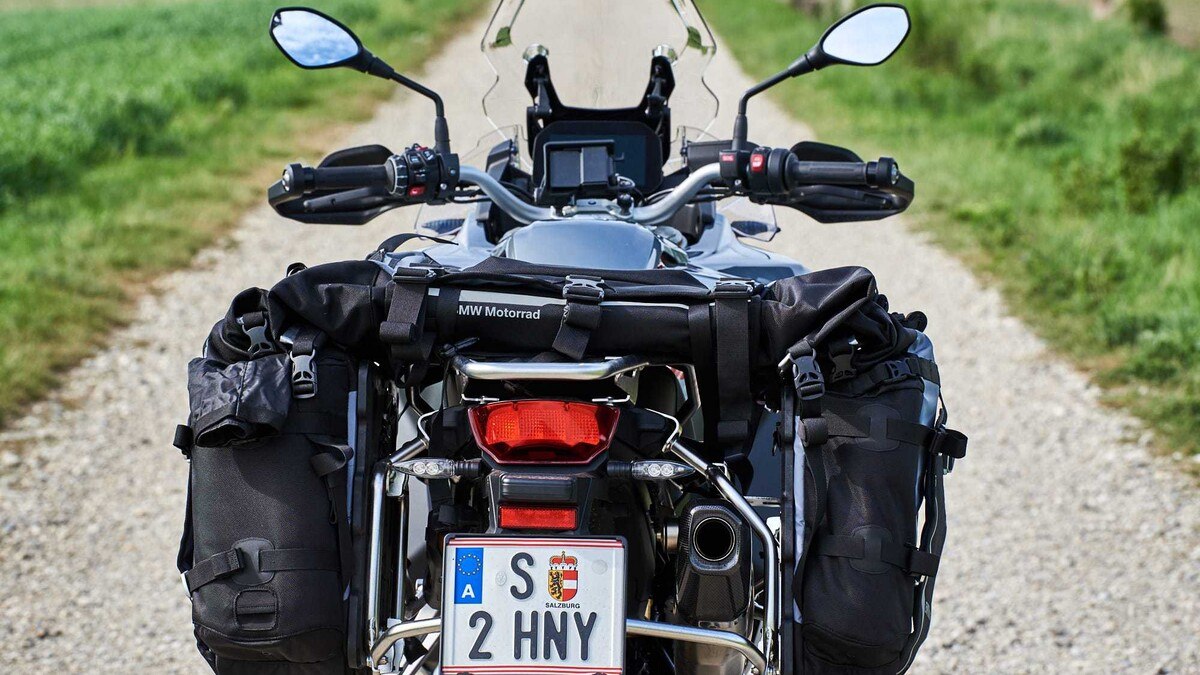
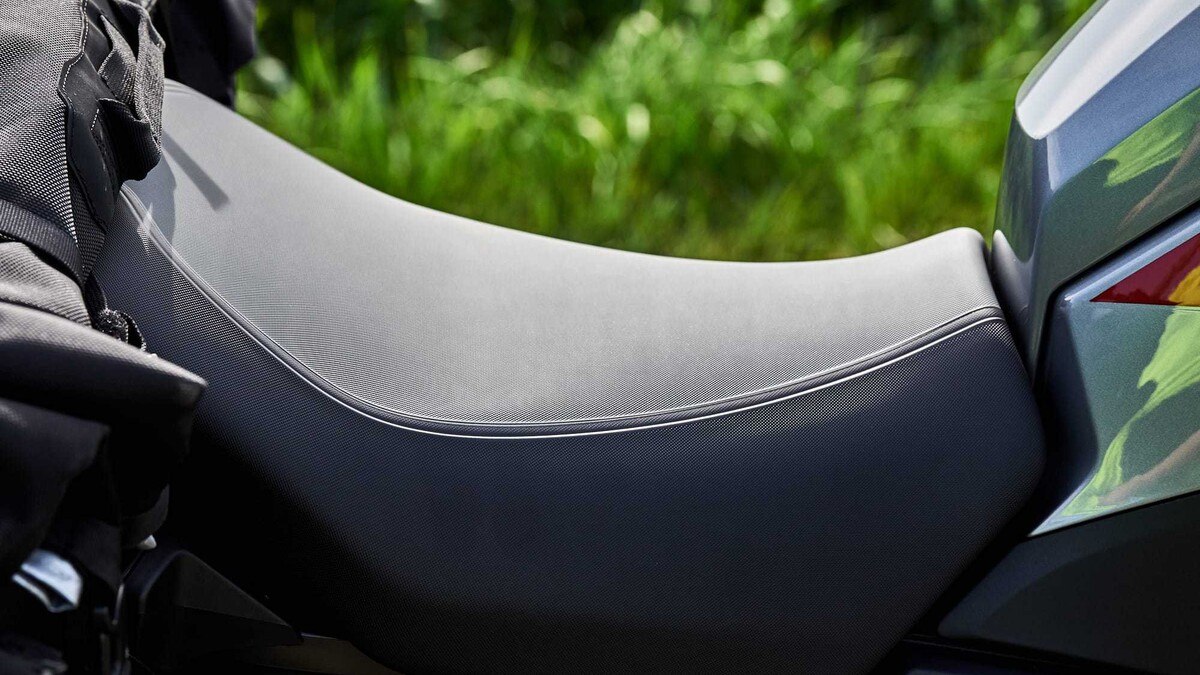
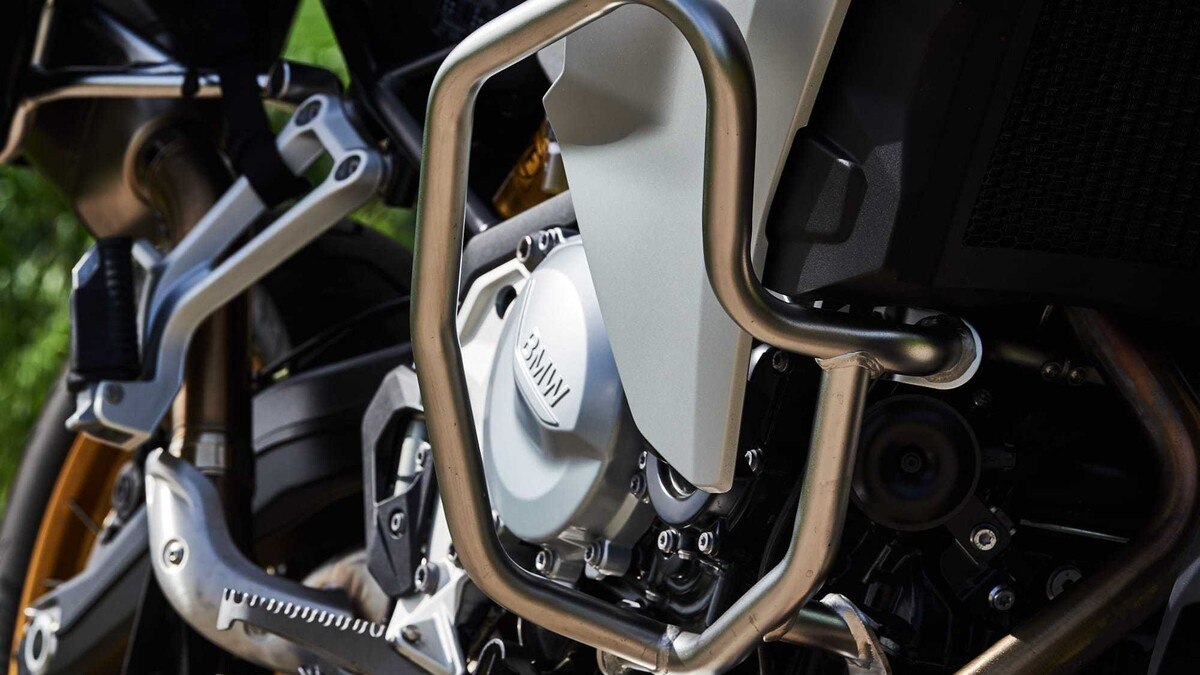
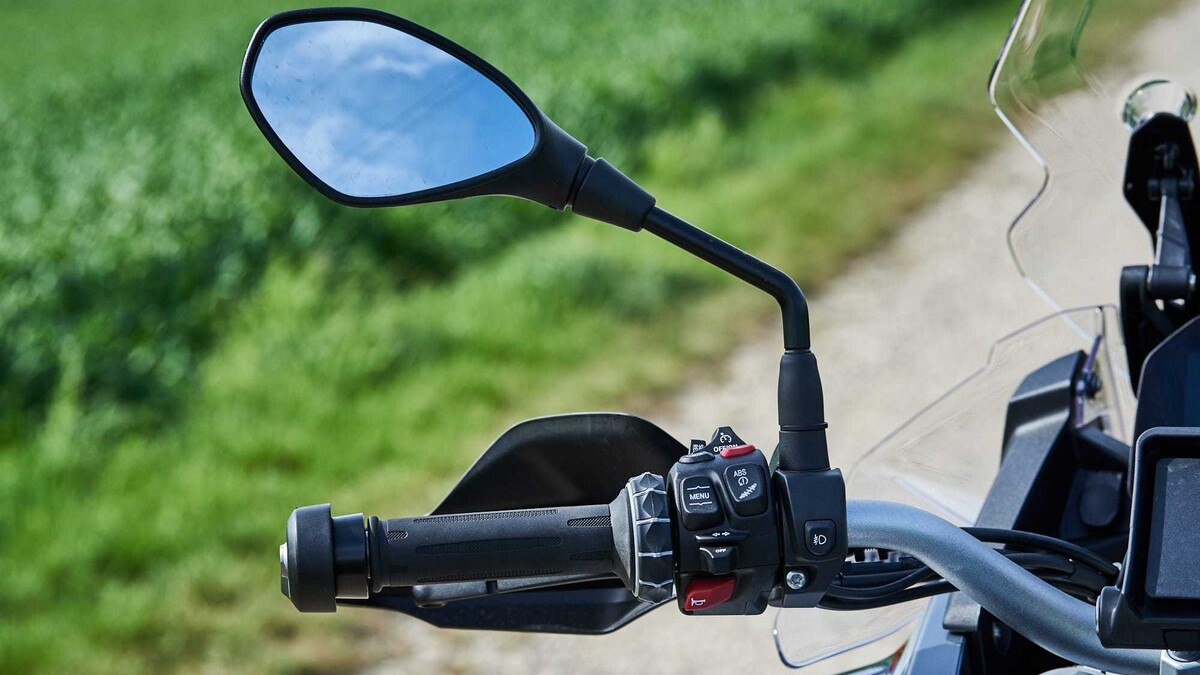
BMW has achieved a small, ergonomic trick with the F 850 GS Adventure: Both smaller and larger drivers will find a suitable seating position on the Bavarian. The standard seat height is 875 millimeters. Since the saddle is quite narrow around the crotch (stretch arch length), it subjectively feels lower. With four different, optional benches, the height can be adjusted between 815 and 890 millimeters as required. As is typical of the GS series, the wide, butted handlebars fit very well in the hand and allow the rider to sit upright, comfortably and only lean slightly forward. The tank is quite massive at 23 liters, but is also comparatively narrow for its volume. The massive crash bars are unfortunately a serious defeat visually, but should do a good job in an emergency and reliably protect expensive fairing parts. Fine solution: The windshield can be adjusted in height with a lever using a handle. Beautiful and easy to read: the 6.5-inch full-color TFT display. The menu is controlled via the left handlebar control. The operation is mostly logical, but takes some getting used to. Extremely practical: keyless ride - not just for starting, but also the fuel filler cap can be opened and closed without a key. The optional navigation holder on the handlebars covers the power button on the upper fork bridge and the driver has to lower his head far to get a look at the navigation system. There are better solutions. The foot brake lever is particularly clever: With a folding mechanism, an adapter can be clicked in that is designed for driving while standing without having to adjust the brake lever. Cool. The only blemish is the soft bag luggage system on the BMW Motorrad test machine. The luggage bags look a lot like a rally bag, but they are very impractical in everyday life. And the countless lashing straps are so long that we had to re-lay them because two straps almost extended into the rear wheel rim and chain. What did Bayern come up with? All in all, you can sit comfortably on the BMW F 850 GS Adventure for longer.
Engine/transmission
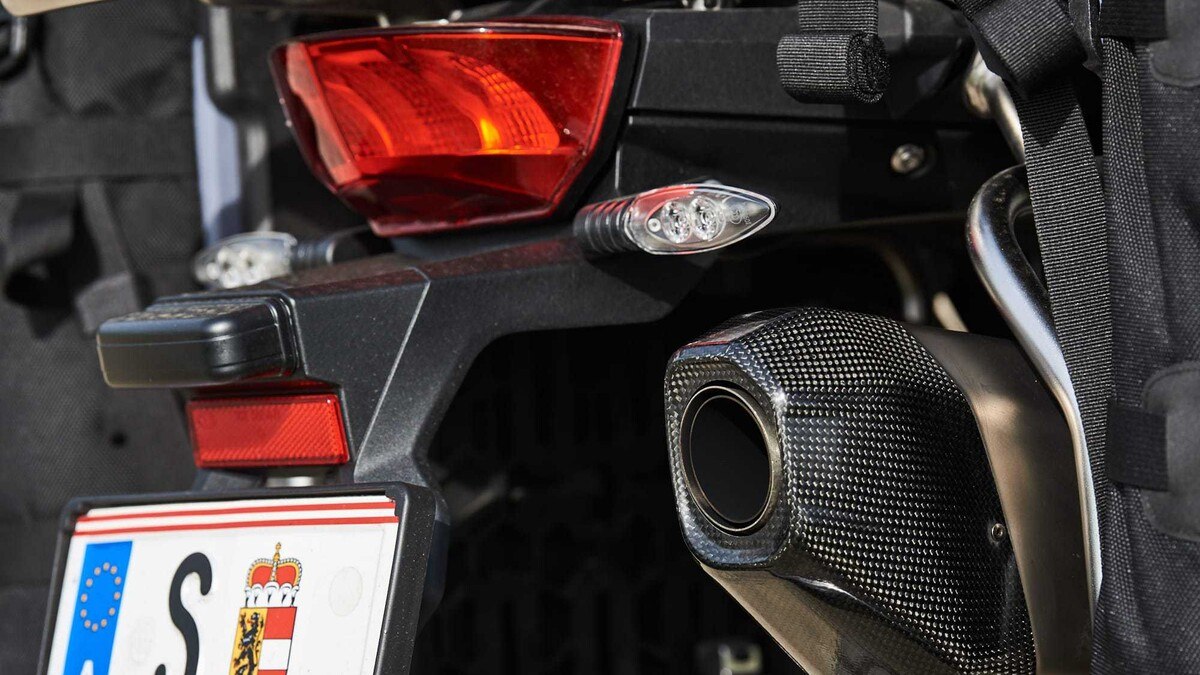
The hard facts: The two-cylinder in-line engine (parallel twin) produces 70 kW (95 hp) and 92 Newton meters of torque from a displacement of 853 cubic centimeters. The BMW F 850 GS Adventure is also optionally available as an A2 bike with 35 kW (48 hp). The crankshaft with a 90 degree horn pin offset and 270/450 degree ignition distance ensures a sonorous, sporty sound. Means: the engine sounds more like a V2 than a classic in-line engine. Noticeable: the engine runs surprisingly quietly and with little vibration for a two-cylinder. The motorcycle comes with two riding modes as standard: Road and Rain. Optionally, the Pro driving mode can be activated in conjunction with Dynamic Traction Control (DTC) and ABS Pro, which expands the driving modes to include Dynamic and Enduro. When switching between the individual modes, you can clearly feel the differences in throttle response and engine liveliness. Sporty drivers will probably only switch between Dynamic and Road. Rain noticeably reduces the performance and Enduro is - as the name suggests - intended for off-road use, with the traction control and ABS also adapting to loose surfaces. The engine itself feels lively and easy to rev, has strong acceleration even at low speeds and revs freely. The sound is also correct (although the test motorcycle had an exhaust muffler from the special equipment list). I have to praise BMW's automatic gearshift once again. This allows you to shift up and down without using the clutch. This works really, really well from medium speeds upwards and makes the F 850 GS feel even faster. When downshifting, the system automatically applies intermediate accelerator, although an anti-hopping clutch is installed as standard anyway. The only point of criticism: there is a noticeable jolt through the motorcycle when downshifting at moderate speeds. An experienced driver shifts manually more smoothly. Conclusion: With 95 hp, the engine performs well and always feels agile. Compared to its big sister, the BMW R 1250 GS, there is a noticeable lack of steam. If you travel a lot with a pillion passenger or luggage, you can use the big sister.
Undercarriage
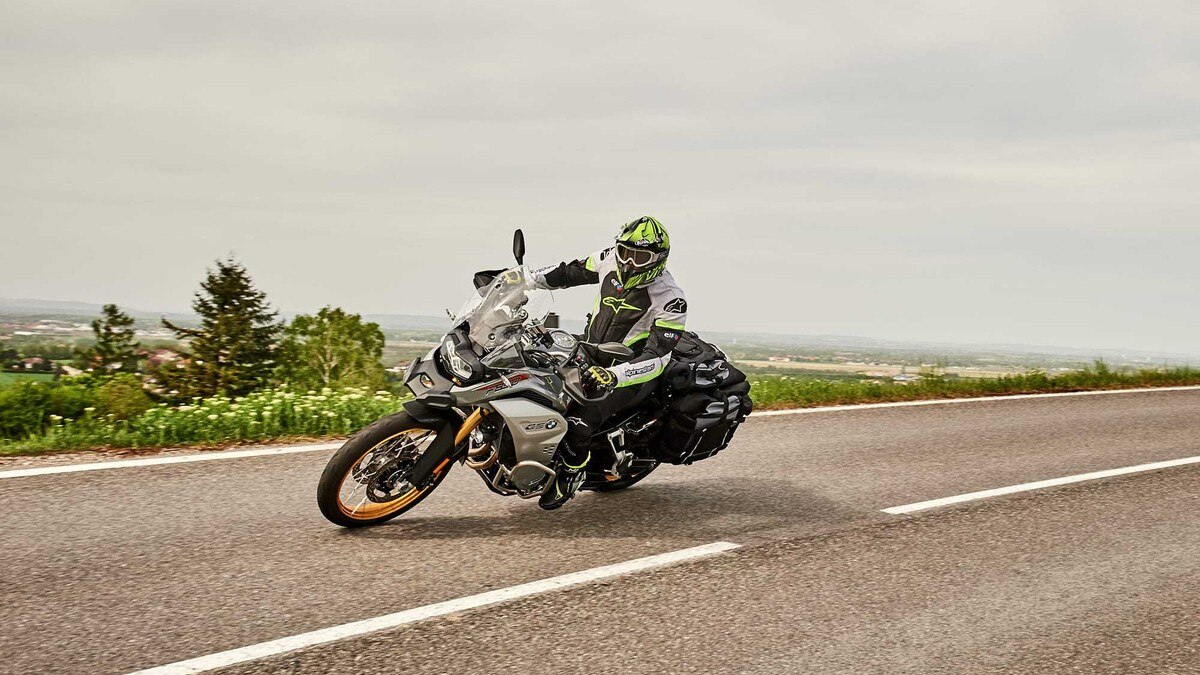
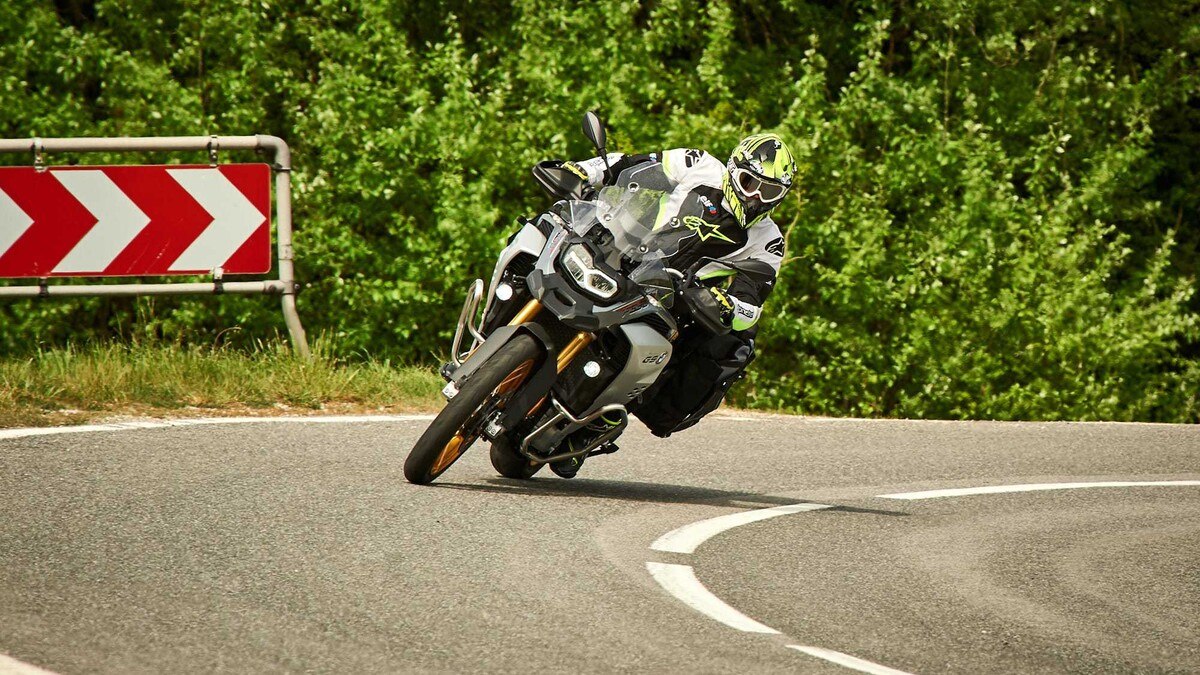
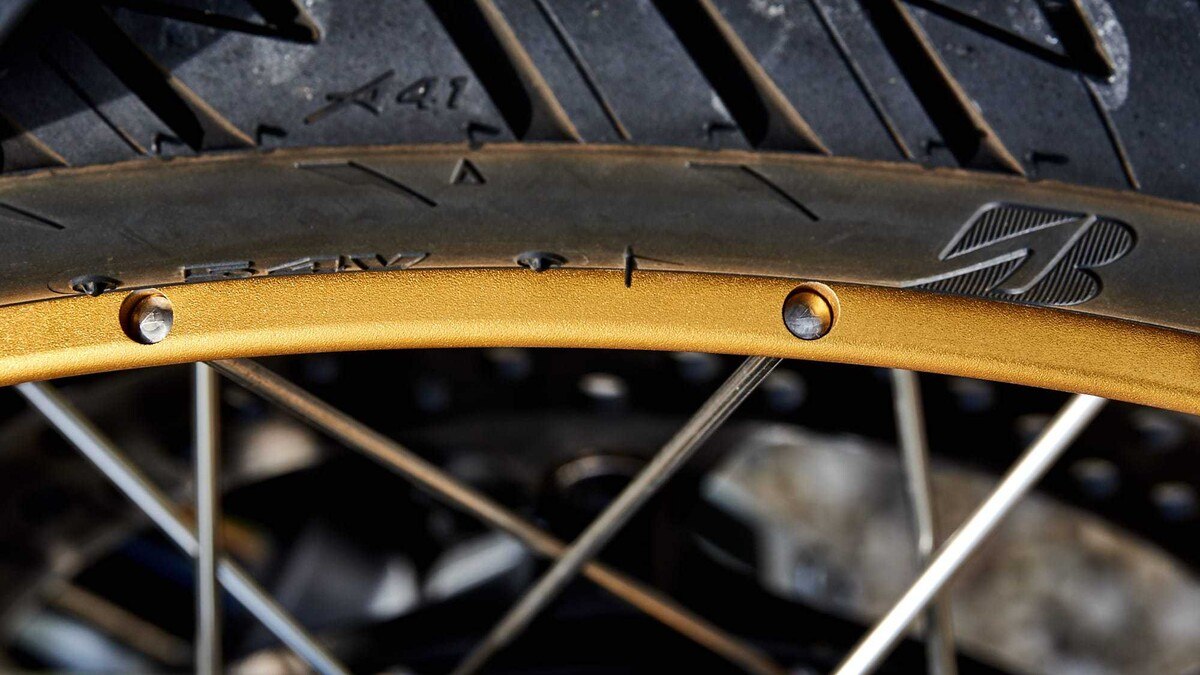
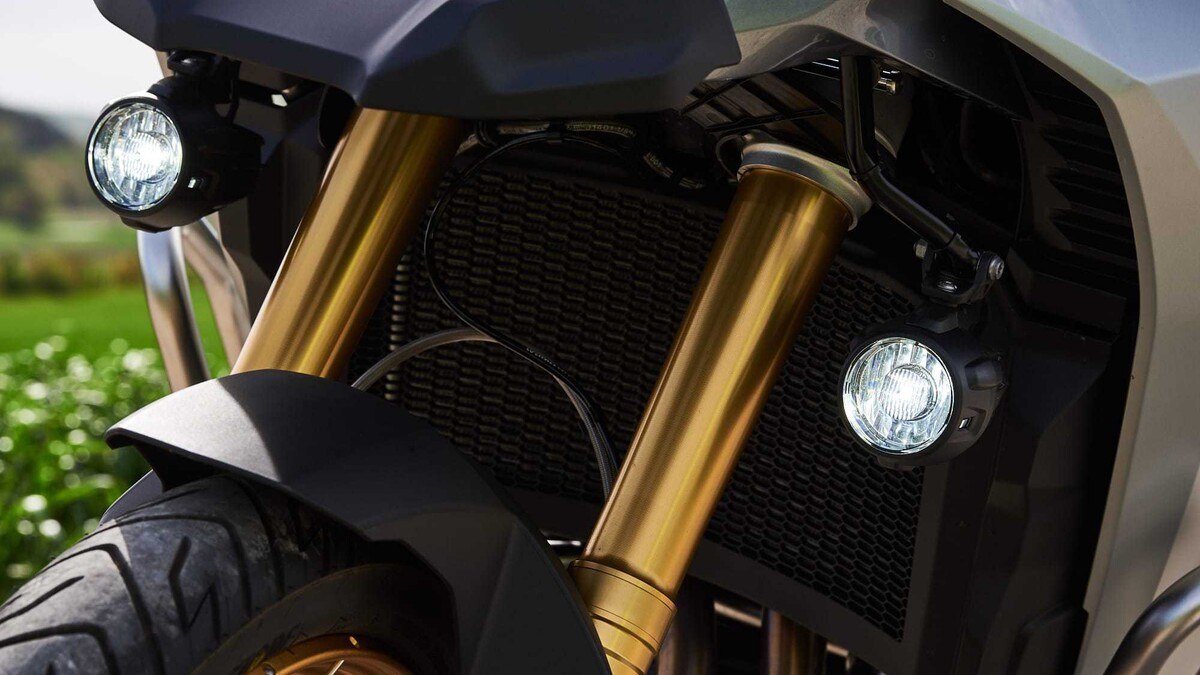
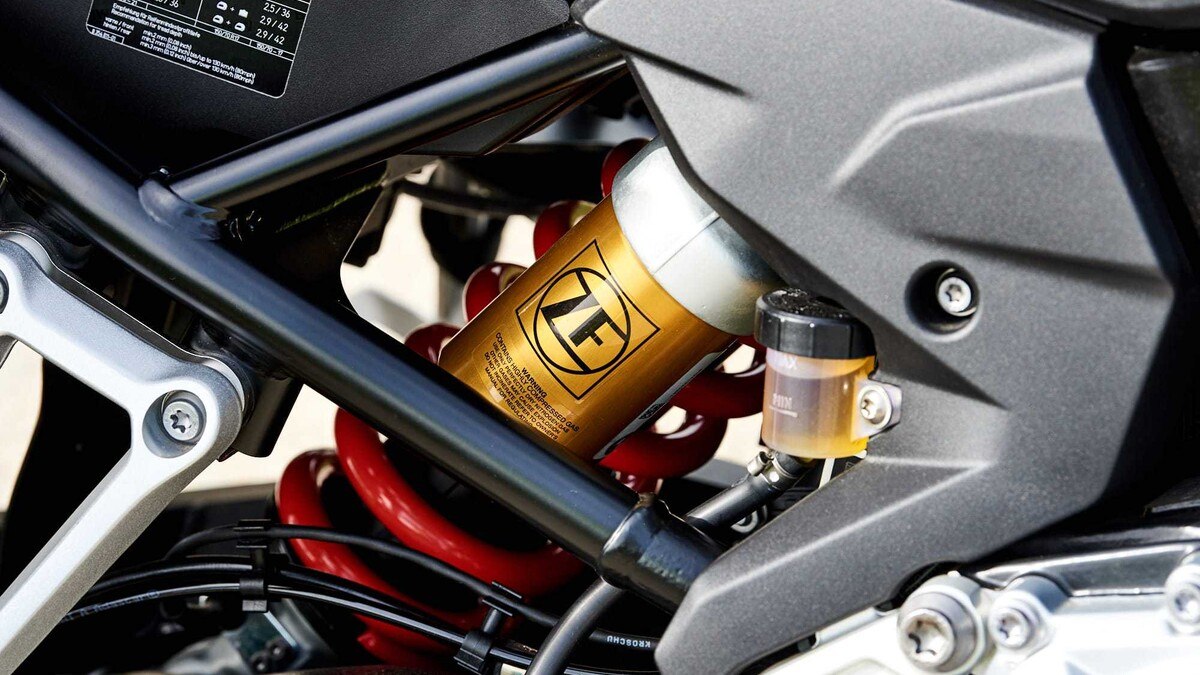
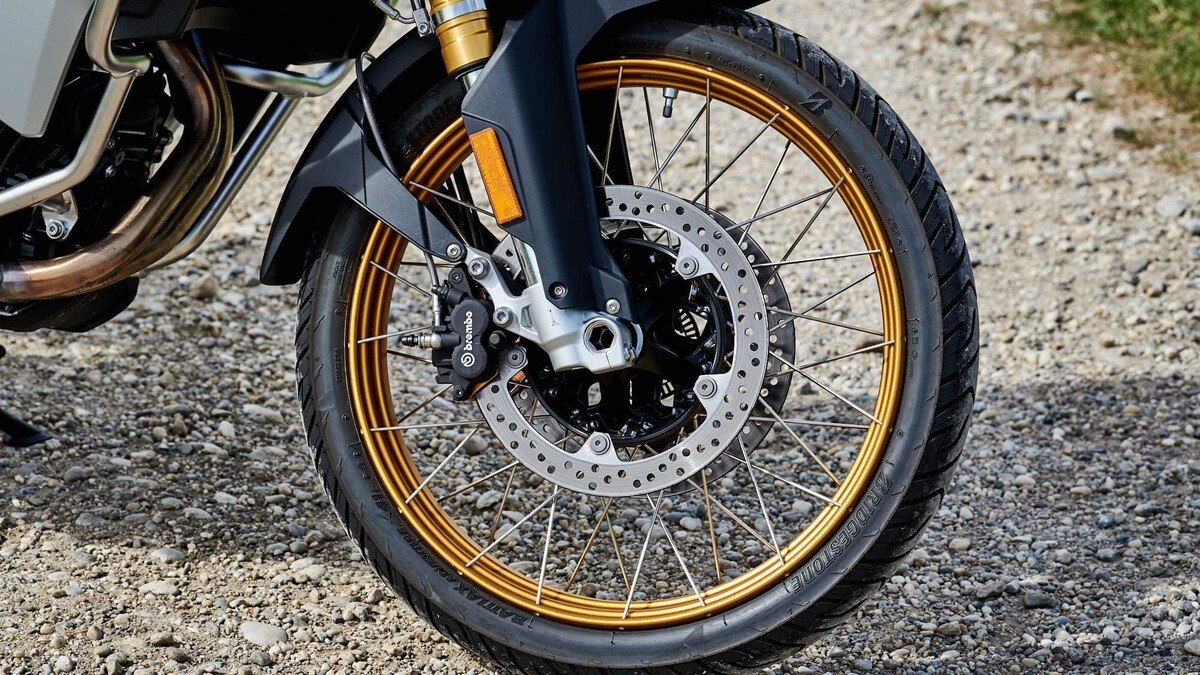
Fine ergonomics, fine engine, what about the chassis? Unfortunately, sobering. At the front there is a USD fork with a diameter of 43 millimeters. Unfortunately the fork is not adjustable. Not even in the preload. This means that the fork works comparatively softly and dives deeply when braking. The Dynamic ESA electronic suspension can be retrofitted as an option, but this only adjusts the shock absorber. The ZF shock absorber can be adjusted in rebound and preload. The fork, which is too soft for road riders, is clearly overshadowed by the solid, attractive shock absorber. Added to this are the unusual tires: at the front there is a 21-inch wire spoke wheel without a tube with 90/90 rubber inside. At the rear there is a 17-inch wheel with 150/70 tires. On the curved asphalt strip, the driving experience in sport mode becomes opaque and imprecise. The front wheel in particular does not provide the driver with enough feedback to really drive quickly and confidently into the radius. The F 850 GS can certainly be driven at any time, but if you want to let it rip, the turn-in speed becomes a question of faith. During the test, a few subtle front wheel slides slowed me down and took away my confidence. The rear section is all the more powerful, although it doesn't offer super sporty feedback either, but it communicates much more directly with the driver than the front. So I wasn't able to test the lean angle. For me the limiting factor was the imprecise front wheel and no dragging footrest. Overall, the chassis unfortunately didn't convince me. And for the price, the fork needs to be easily adjustable and offer more feedback.
Brakes
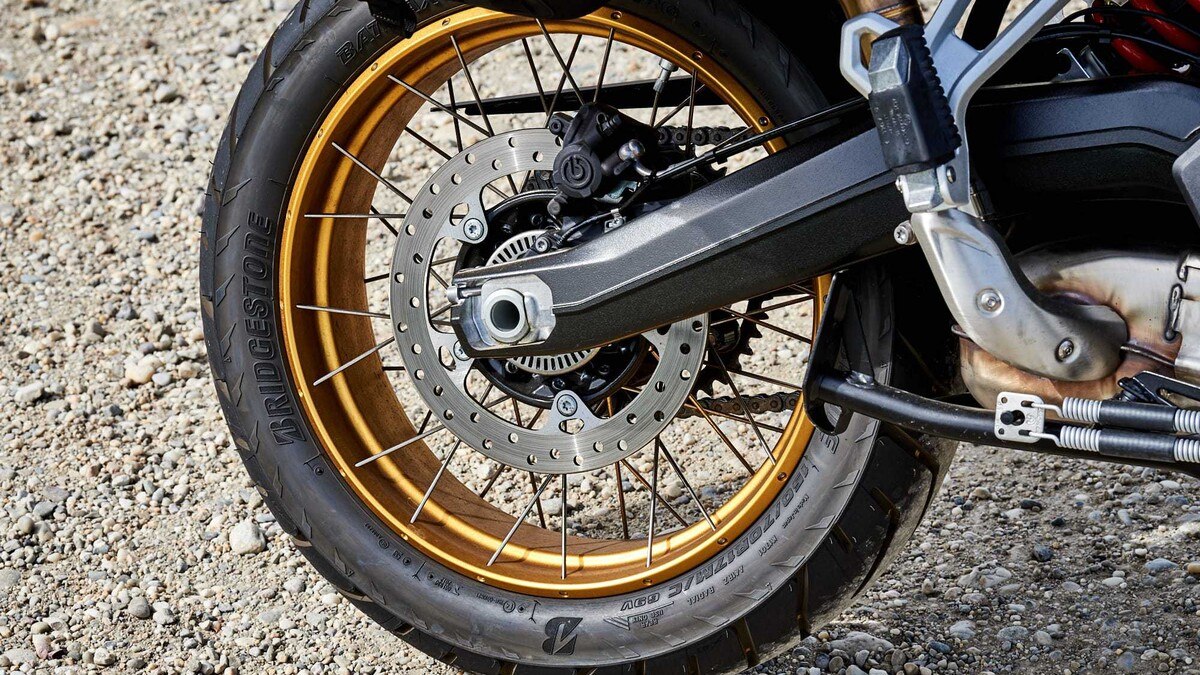
Unlike its big sister, the BMW R1250 GS, BMW relies on brake calipers from Brembo for the F 850 GS. Two 305 millimeter brake discs are used at the front, which are held by two double-piston floating calipers. A 265 millimeter disc with a single-piston floating caliper is used at the rear. The package brakes sufficiently and solidly. I missed the sporty bite and, above all, the feedback on the brake lever from the front brake. The BMW ABS works perfectly, the control intervals are absolutely fine. But in combination with the soft fork, the narrow tires and a curb weight of around 250 kilograms, this doesn't exactly provide sporty braking. The front sinks deeply and only then do the brakes noticeably take hold. If you set your braking point sportily, you have to brake at the back, otherwise you'll soon feel like you're running out of road. It is all the more surprising that the rear wheel brake is not only very stable, but also works surprisingly precisely. That's why I much preferred braking at the back of the F 850 GS rather than at the front. For a bike in this price range that is mostly driven on paved surfaces, the braking performance can be improved.
Noticed
How powerful the new 95 hp feels, how great the automatic gearshift works, how versatile and comfortable the BMW F 850 GS can be, how practical the foot brake lever with the adapter is and how cool the BMW display looks.
Failed
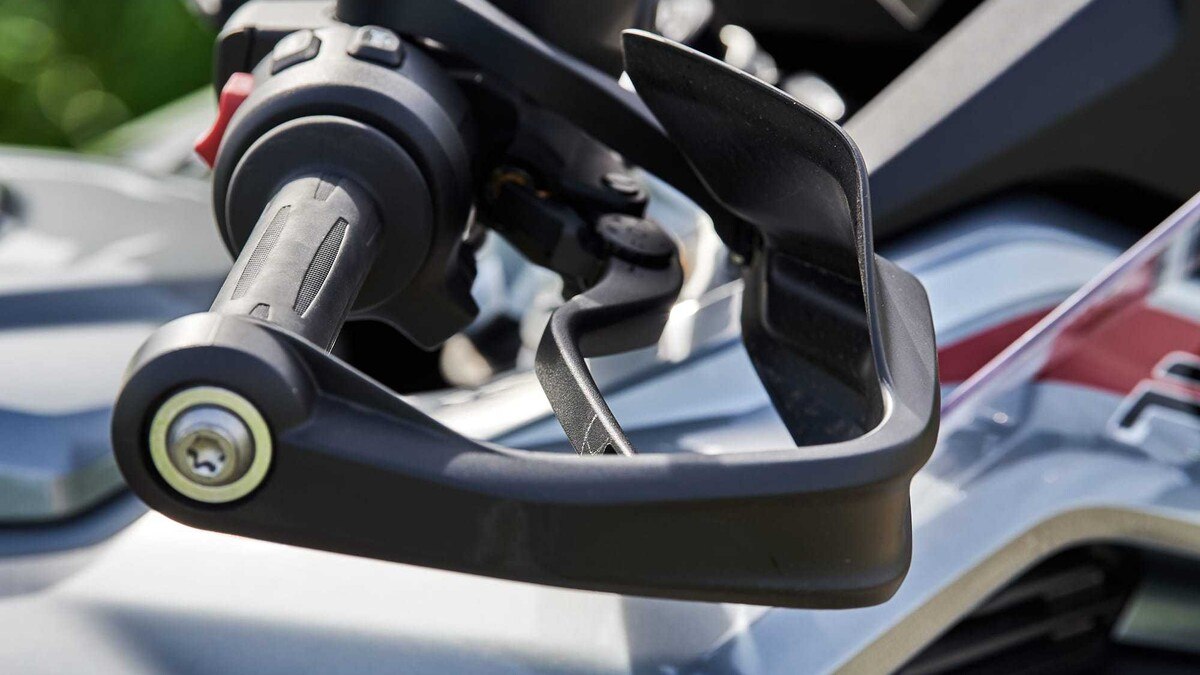
The luggage system shown is impractical due to the lashing straps being too long. The hand protectors are only good for the look, the thin plastic would be destroyed immediately in the event of a fall. The fork is too soft and the price is far too high for what it offers.
Test verdict BMW F 850 GS Adventure, by p.bednar
More information about BMW F 850 GS Adventure
With kind support from TOTAL Austria
More action photos from the test drives can be found on Instagram: apex_moto_at
Or follow us on Facebook: Apex Moto