

 Suche
Suche
 Mein Konto
WLTP under criticism
The new WLTP EMISSION TEST has been in effect since September 1, 2018 to determine the official consumption values of cars. Interest groups criticize the “hasty introduction” and warn of the consequences.

WLTP under criticism

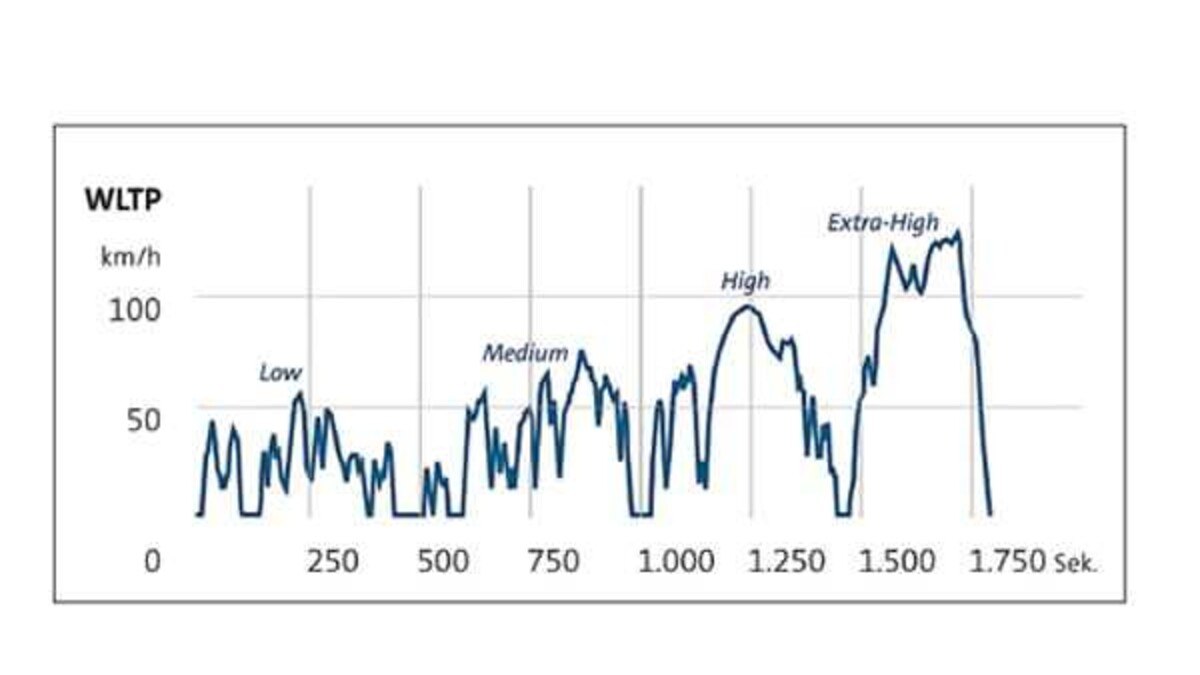
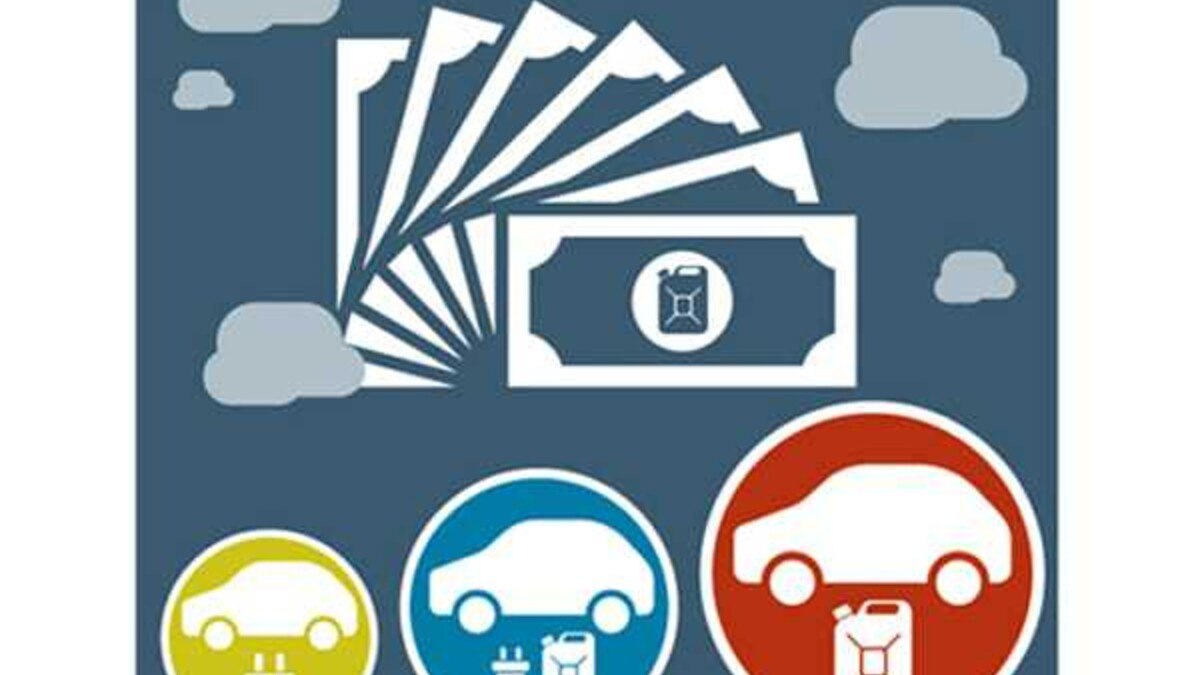


The previous NEDC (New European Driving Cycle) test procedure had come under criticism because the measured values for fuel consumption and exhaust emissions often deviated greatly from the actual figures in road traffic. The internationally developed WLTP procedure (Worldwide Harmonized Light-Duty Vehicles Test Procedure) is intended to deliver more realistic and better comparable results for greater consumer transparency. The test takes longer, the cars drive faster and accelerate more often. Additional equipment that affects consumption is also taken into account. “The automotive industry is well prepared for the change and welcomes the new, more realistic WLTP measurement method,” emphasizes importer spokesman Günther Kerle.
“Models for changing the vehicle tax are currently being calculated.”HARTWIG LÖGER, MINISTER OF FINANCE
“HASTY INTRODUCTION”
Nevertheless, there are a few points that need to be taken into account, especially due to the "hasty introduction" - natural production cycles and planning for car manufacturers are "not sufficiently taken into account" or "only very late" by the EU Commission in the regulation: On the one hand, many car manufacturers are currently experiencing exceptionally long delivery times: "All models have to be re-examined, including all individual model variants, which differ due to various equipment, engine options, etc.," says Kerle. Certification is not carried out by the manufacturers themselves, but by certified institutes - almost all test benches are busy for a long time (see also comment on page 9). Since WLTP takes all of these additional options into account, the NoVA is also individual for each vehicle. “Because not all models can be checked at the same time, it is sometimes not even possible for the dealer to inform the customer of the final purchase price,” says Kerle. The NoVA is due upon initial registration and is calculated based on the CO2 emissions, which are directly linked to consumption.
“It would be sensible to base future taxation on the factors of use and consumption rather than on ownership and performance.”GÜNTER KERLE, SPEAKER FOR AUTOMOTIVE IMPORTERS
“HIGHER NOVA”
The fact is: the NoVA will be significantly higher than before due to the more realistic measurement cycle. The purchase price of a new car will now increase on average by a few hundred euros. "In principle, the automotive taxes as they currently exist and are outdated should be subjected to an examination. It would be sensible to make future taxation more dependent on the factors of use and consumption instead of on ownership and performance," says Kerle.
“A vehicle that meets the Euro1 emissions standard throws as many fine dust particles into the air as 36 new Euro5 vehicles.”BURKHARD ERNST, LGO VIENNA
SERIOUSLY DEMANDS ECO-PREMIUM
Vienna's LGO Burkhard Ernst is calling for the eco-bonus as “immediate consideration” for drivers. "The finance minister will earn 400 million euros in additional revenue from September 1st. And this despite the government promising not to introduce any new taxes. This promise is now clearly being broken," says the chairman of the Vienna regional vehicle trade committee. Ernst is therefore calling for the “immediate introduction of the eco-premium” “as compensation in the interests of drivers”. Consumers should receive a government-funded bonus of 1,500 euros when they purchase a new vehicle and at the same time return and dispose of an old car with poorer emissions standards. The eco-bonus would not only relieve the burden on drivers but would also make a “very significant contribution” to environmental protection, as Ernst emphasizes, as the number of 650,000 cars that only comply with emissions class Euro2 or worse would be reduced on Austria’s roads. “A vehicle that complies with the Euro1 emissions standard throws as many fine dust particles into the air as 36 new Euro5 vehicles,” says Ernst.
CAR TAX
What could be added: The Ministry of Finance is currently examining a change in the calculation method for vehicle tax as part of the tax reform. Performance should no longer be the basis for the amount of tax, but rather consumption - and thus CO2 emissions. What would that mean? In any case, a significant increase in the price of SUVs, for example. Electric cars would of course be exempt from tax, especially since they do not emit any CO2. There would also be lower taxes for hybrid vehicles. To ensure that the Ministry of Finance does not lose any revenue as a result of the switch to CO2 emissions, taxes on vehicles with pure combustion engines will probably be increased significantly. No details are available from the Ministry of Finance. However, Minister Hartwig Löger confirms that models for changing the vehicle tax are being calculated. The innovations would then come with the tax reform, which is to be implemented in 2020.
DATA & FACTS
From September 1, 2018, only cars that have been certified according to the WLTP emissions test may be sold in the EU. This significantly increases the CO2-dependent eco-tax of the standard consumption tax. For car buyers, this means that the prices for new vehicles will rise significantly, even with relatively small engines.
Automobile importers have their say
GÜNTHER KERLE, spokesman for the working group of automobile importers
The new WLTP emissions test has been in effect for all newly registered cars since September 1st. The automotive industry welcomes this new measurement method, which is now intended to provide more realistic consumption information. It was decided long before the diesel debate arose that there would be a new emissions measurement. However, the implementation now went faster than originally thought - if not to say completely hasty. It is likely that the EU Commission wanted to demonstrate its ability to act and strength in view of the criticism of the industry in the wake of the diesel issue. The consequences of this hasty introduction are now becoming visible.
All models, including all equipment variants, must be re-inspected. The majority of test benches are busy for a long time, meaning not every model can be tested in time. In everyday life, this means that in many cases customers cannot yet be given any information about what consumption their vehicle will ultimately have. Accordingly, in many cases the final price cannot yet be communicated under these circumstances. The new measurement method will usually lead to higher consumption values, which will also increase the NoVA. Until the end of 2019, the “old” NEDC values will still be used as the basis for calculating the NoVA and also for the benefit in kind; measurements will only be based on the WLTP cycle. The back calculation is carried out using a tool from the European Commission. Unfortunately, we found that the inaccuracy of this tool results in a significantly higher NoVA. From 2020, the NoVA would increase significantly again due to the newly applicable WLTP values. However, according to the BMF, an ecological tax reform is planned for 2020 - we are already in discussions about this. The state can look forward to additional income until 2019. It would be important that these flow back to drivers in some form.