

 Suche
Suche
 Mein Konto
Volvo and the paradigm shift
The latest Volvo announcement made waves: direct sales from now on. Only electric cars from 2030. But what's behind it? We spoke to a Volvo dealer and asked if he could still sleep well.

Volvo and the paradigm shift
Volvo is really stepping on the gas when it comes to transformation: 50 percent of all models should be electrified by 2025. From 2030 there will no longer be any combustion engines in the Volvo range. From then on it's the Swedes who go to the Chinese Geely Group belong, only electrically powered. And: Volvo's electric cars should only be sold directly. Either via the web or with the help of your regional Volvo partner. The Volvo XC40 Recharge is the first fully electric model from Volvo, which is already available. In line with this, Volvo also presented the C40 Recharge today. Visually similar to its brother XC40, but slightly more compact and sleeker.
“Instead of investing in a shrinking business, we would rather invest in the future – electric and online,” says Hakan Samuelsson, CEO of Volvo Cars.
This puts Volvo in a similar vein jaguar and ford.
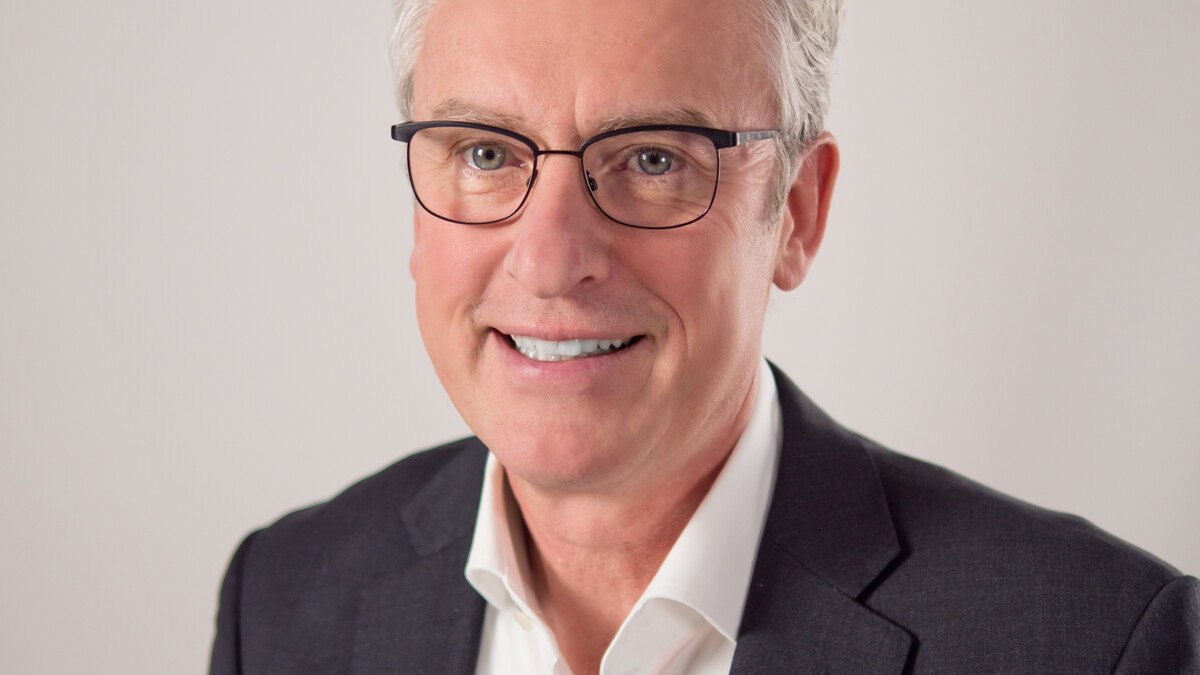
We have Andreas Grünzweig, owner of the company of the same name car dealership, asked how he, as a Volvo partner, feels about the new strategy.
Mr. Grünzweig, all Volvo models should be purely electric by 2030. The electric cars should be sold directly. What do you as a Volvo dealer say about this?
One must clearly speak of a paradigm shift: both mobility itself and the sales model will change sustainably. Volvo's direct sales model presents both opportunities and risks. Actually, it's more of an agency model and not like Tesla. Because the delivery should remain with the dealer, as should the service, advice, test drives, etc. It will also be the case that those interested in Volvo can order the electric cars online directly from the dealer together with their contact persons. The dealer is not completely excluded from the sales process, but must practically position himself as an agent for the manufacturer.
You recently opened your new business in Wiener Neudorf – a completely new building. Are you now sleeping worse than a Volvo partner?
No, not at all. (laughs) The business is changing, yes. But the last year has changed everything. At Volvo, service has always been our focus. And according to statements from Volvo managers, customer service will be expanded even further in the future. For this you need regional partners. As a family business, we pursue a very clear strategy: We have to make ourselves so attractive as a partner that Volvo cannot ignore us. To do this, you have to move with the times, adapt, be courageous and also take new paths. I'm glad that I have my son at work, who successfully takes care of our presence on various platforms. In the future, more sales channels will be needed; you will have to be active and discoverable everywhere.
What risks and opportunities do you see in the Volvo sales transition?
It's a great opportunity for us retailers to escape the clutches of discountitis. The margin risk moves to the manufacturer or importer. There will be an end customer price or different packages and that's it. We no longer have to buy the cars and keep them in stock. This reduces our risk. On the other hand, the dependence on the manufacturer is also increasing, and personal responsibility as a business owner is being increasingly curtailed. We then earn money from the individual services, such as delivery. To do this, we need to set a price that allows us traders to live and earn something. Enforcing the appropriate prices here will be the crucial point. There is currently a fair offer from our partner. But we are only at the beginning of the direct or agency sales journey.
Not least because there are big regional differences in rents and salary structures, right?
Correct. Here, the square meter simply costs more than in other regions. Of course that has to be taken into account. How this will work exactly is not yet clear. I believe that the demands placed on dealers will change completely in the future. We will have to consider – together with the manufacturer – where we get the added value from. We will have to think about services that end customers want to pay for.
They don't seem the least bit intimidated or scared about the future.
We founded our company in 2009. And in ten years we were able to double our sales. We were able to do this because we sometimes worked against the trends or took new paths early on. I believe that we as a company are dynamic enough to adapt to new circumstances. Now a fierce competition has begun. The only chance is to be at least as fast as the others; it would be better to be faster.
We always talk about the manufacturer and dealer perspective. But are customers already ready for direct sales from manufacturers?
Absolutely. In the beginning, the volume via direct sales will still be low. But that will change quickly. The customers are asking for it, they are ready.