

 Suche
Suche
 Mein Konto
Seat shows its flag
In Barcelona, SEAT presents its new flagship: the Tarraco. As a top model, it rounds off the Spanish SUV range. It's just a shame that it's more Škoda than Seat.

Seat shows its flag
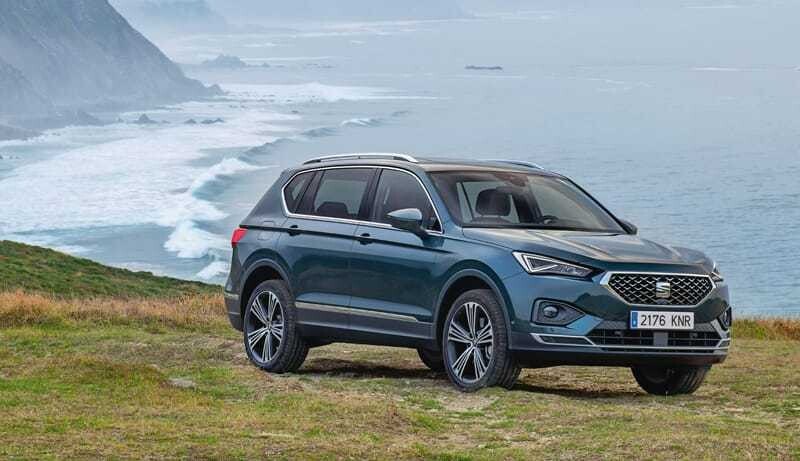
When it comes to new car customers, Seat is the youngest automobile brand. The average age is exactly 44 years. And: Seat is in third place in the ranking of Austrian new car registrations this year, right behind VW and Škoda and probably just ahead of Ford. With the new Tarraco, a large SUV with up to seven seats, they now want to attract more solvent buyers to Seat. Seat was considered a young, hip, stylish and sporty brand within the group. To what extent a seven-seater SUV fits into the portfolio is somewhat unclear. At the presentation, Wolfgang Wurm, Managing Director of Porsche Austria, said that this rounds off the still booming SUV segment and now offers the right SUV for every taste in the Seat showroom. At the same time, the Cupra motorsport line was made into its own brand, similar to DS in the PSA Group. According to Wurm, Cupra is deliberately positioned between the mass and premium markets. One could conclude: Cupra should now be stylish and sporty, Seat covers the rest. Only: There are already Škoda and VW in the group.
WIDE INSTEAD OF NICHE
The numbers speak for Seat: Austria is the seventh most successful market, the cumulative market share increased to 5.7 percent from January to October 2018. If you only look at the market share, Austria is in second place in a European comparison, beaten only by its home market of Spain. By expanding the SUV range (Arona, Ateca and now Tarraco), the customer base is noticeably broader. Seat is currently developing from a niche into a “full-range supplier”. Exciting: Seat also wants to consciously push forward the natural gas models and offers four models with bivalent CNG drive: Mii, Ibiza, Leon and Arona.
RE-INTRODUCING TARRACO
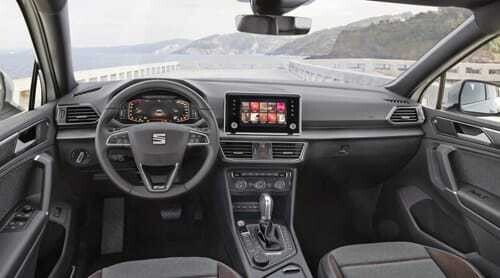
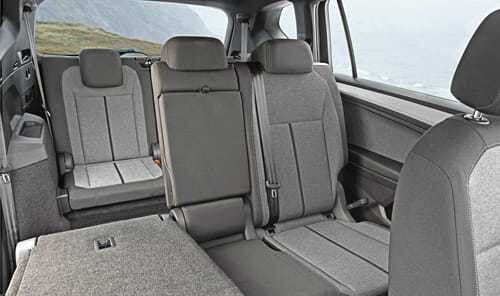
The new Seat Tarraco offers one thing above all: space. Lots of space, with up to seven seats. The range of engines is manageable: there are two petrol and diesel engines, each with 150 or 190 hp. A plug-in hybrid is planned for 2020. In Austria there will be two equipment lines (Style, Xcellence), the starting price - with all bonuses - is 29,990 euros. However, a certain disillusionment quickly spreads in the interior: Are you now sitting in a Škoda Kodiaq or a Seat Tarraco? You don't know. Many controls look completely the same. Fiery Spanish interior design? Unfortunately no. More German straightforwardness. No bold colors, no bold details. Everything is… well. Neat, understandable, maybe a bit too much plastic, never really disturbing, but not stimulating either. The Spanish casualness, the spice, the cheekiness are missing. And above all: the young people. This car is far too grown-up and sensible for the youngest brand. But okay, let's let the emotion arise in movement. We drive the 190 hp petrol engine with all-wheel drive and DSG. The overview – except for the arrow slit in the rear window – is good. The feeling of space is great. Step on the accelerator. Surprise, the Spaniard is sluggish. Despite 190 horses, the start is tame. The petrol engine sounds a bit sporty, but the forward momentum does not suggest 190 hp. Manual switching doesn't change much either and doesn't make the Tarraco a summiteer. There are now two attributes that apply: dignified and unspectacular. The consumption on the test lap of over eleven liters was too high for that. According to the factory information, the Tarraco weighs just under 1.7 tons. And you can feel that. Even direct steering cannot hide this. Rolling movements are omnipresent. Sometimes the suspension dampens softer, sometimes a little tighter. The road holding is good, but there is no direct connection to the driver. After two hours in the car, you're left with a completely confusing impression. The crisp seat feeling is missing.