

 Suche
Suche
 Mein Konto
NoVA increase: Because they don't know what they're doing.
At the press conference on the topic “Effects of the NoVA increase in practice” by the working group of automobile importers - together with the vehicle trade and the mobility clubs - it became clear: The NoVA increase will affect all consumers.

NoVA increase: Because they don't know what they're doing.
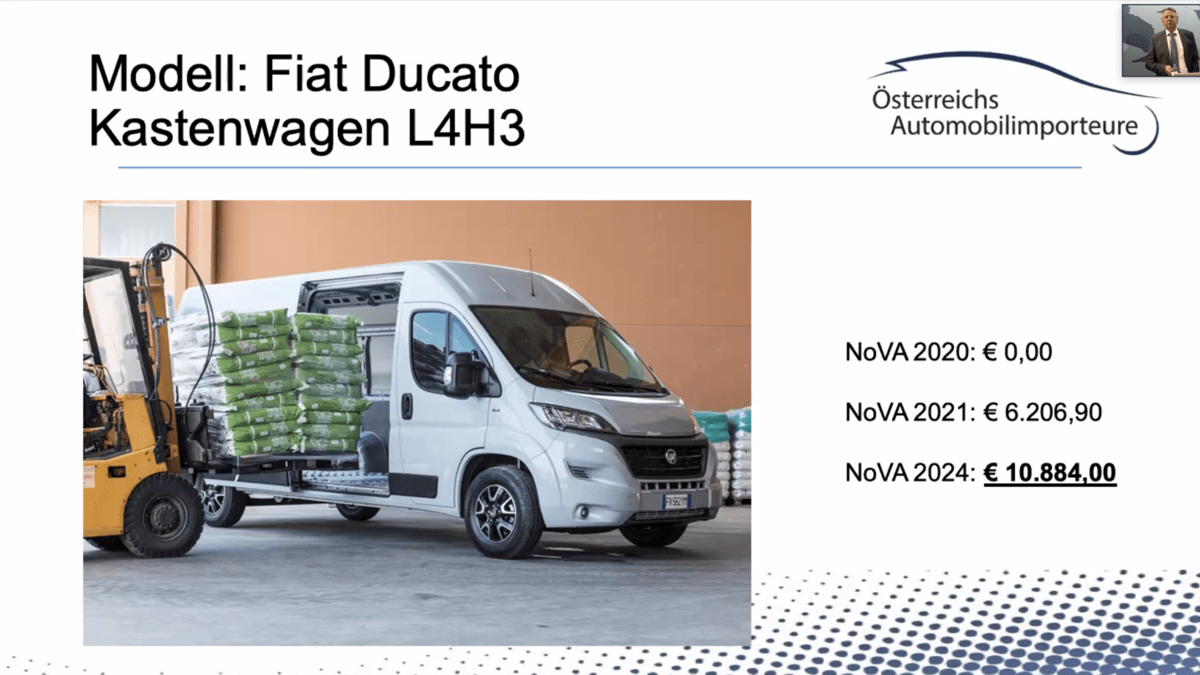
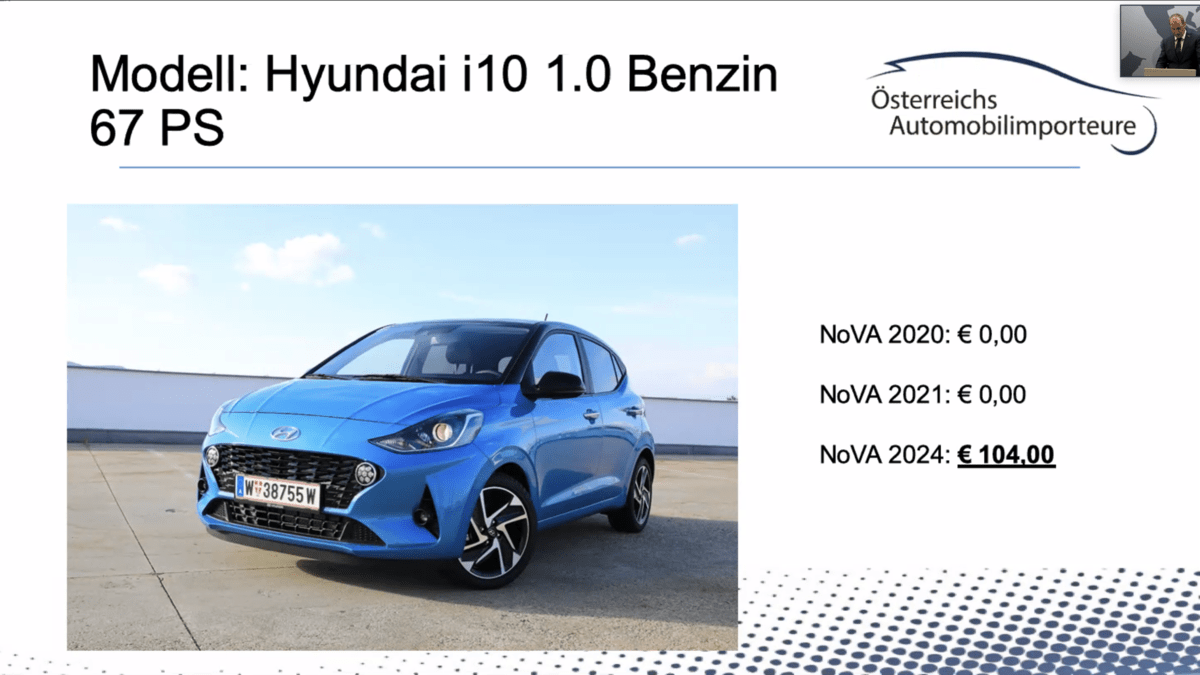

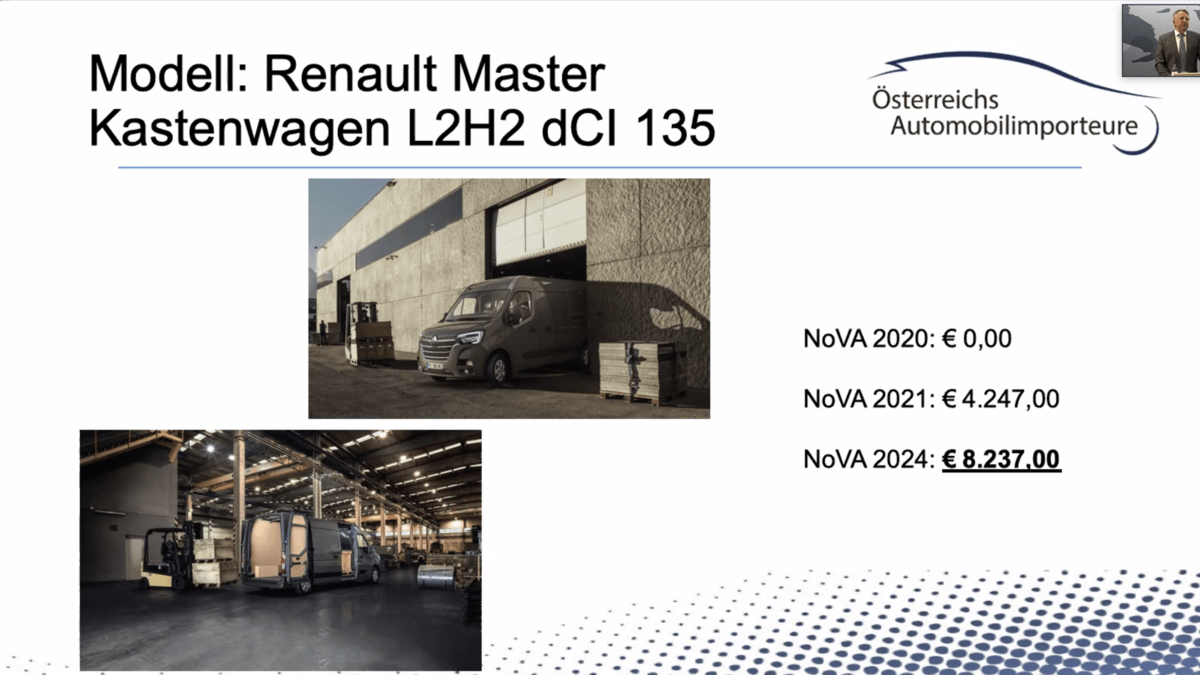
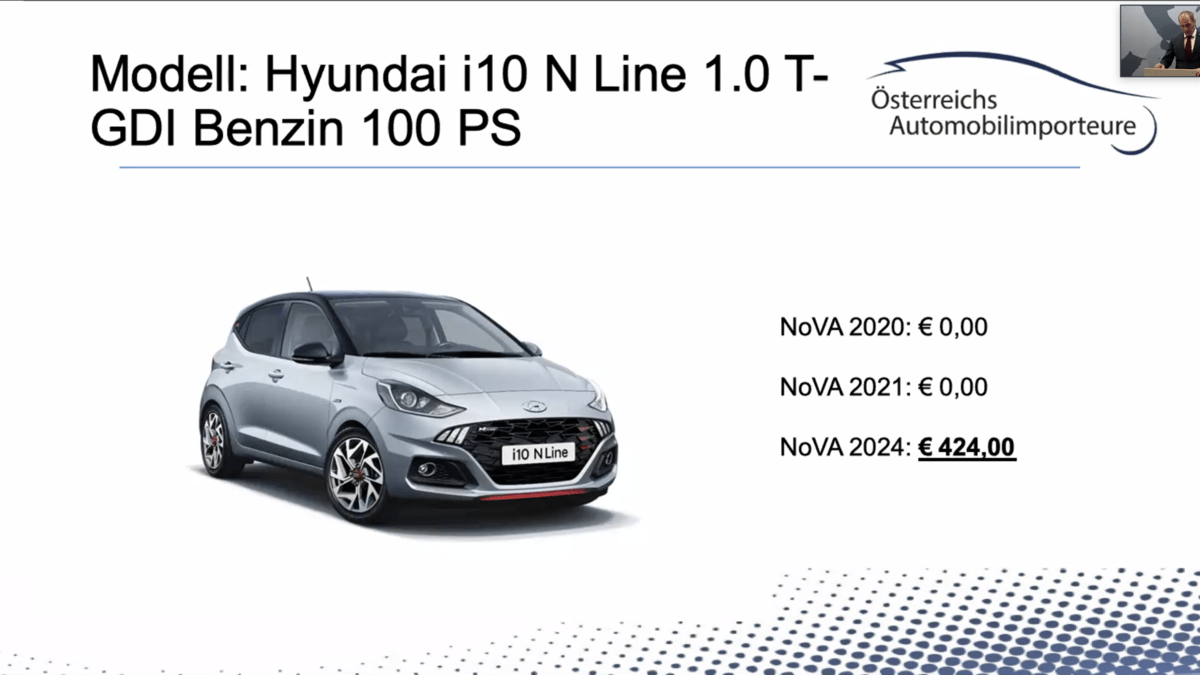
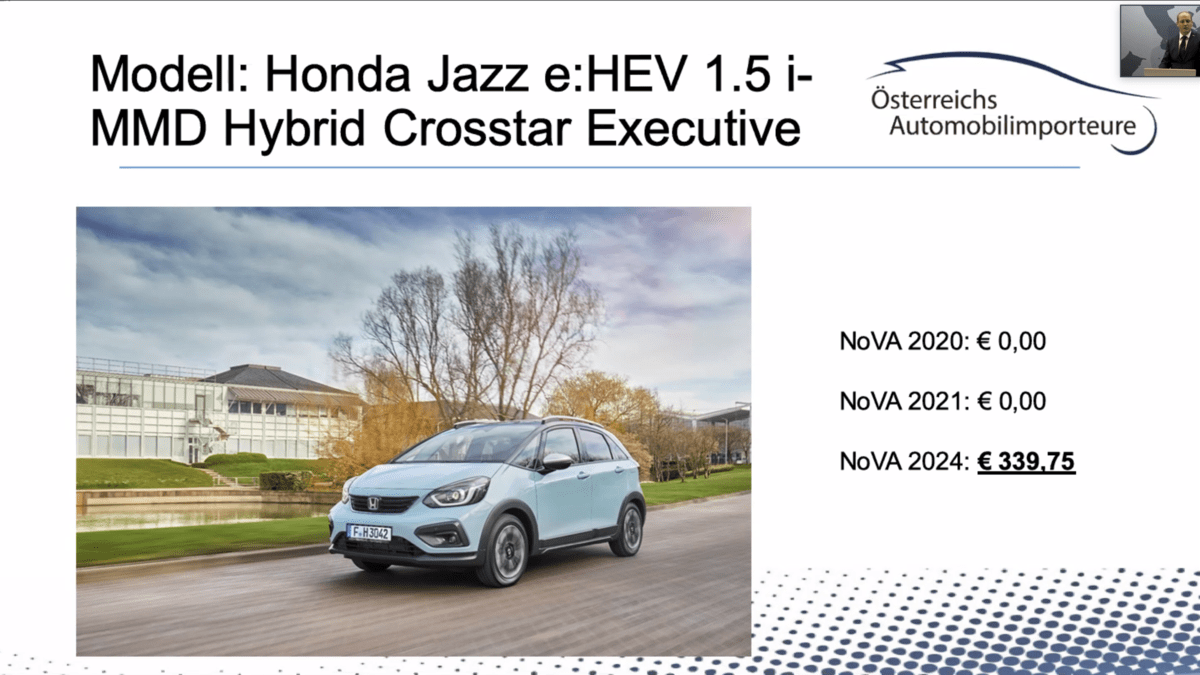
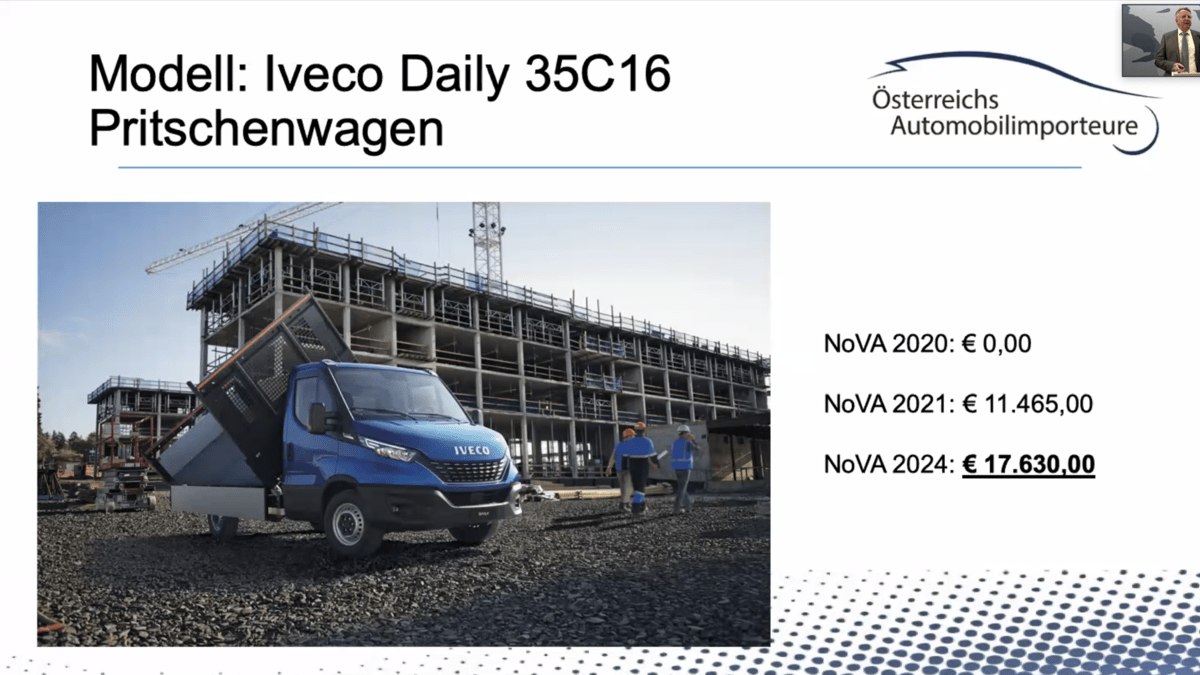
TheNoVA increase, thefrom July 1, 2021will come into force was strongly criticized at the press conference today. Günther Kerle, spokesman for the automobile importers working group:"TheThe new car market has collapsed by 27 percent this year. ThisTax increases affect the wrong peopleand comesat the wrong time.”This is particularly incomprehensibleNoVA introduction for light commercial vehicles (vehicle class N1). This would particularly affect craft businesses, small transport companies and SMEs.“We calculated the additional burden of the NoVA for N1 at 150 million euros per year for SMEs”says Günther Kerle.
Klaus Edelsbrunner, chairman of the Federal Vehicle Trade Committee, supports Jungse:"ThisIncreases in prices affect every single end consumer. Drivers should be able to choose which vehicle best suits their needs and not be guided by politics.”
Attack on politics
Günther Kerle and Klaus Edelsbrunner confirmed in the press conference that there were no discussions with politicians in the run-up to the NoVA increase:"We've been ignored. The approach clearly shows that they don't want to include our industry in such far-reaching considerations."says Edelsbrunner.
"The increase was decided in the middle of the lockdown, without dialogue, without assessment, behind closed doors. Nothing else was expected from the Greens, but I am disappointed in the ÖVP for supporting it. I don't think everyone knows which tax increase was approved here. You could say: Because they don't know what they're doing."says Kerle, who is primarily referring to the NoVA introduction of class N1.“Here wereno loopholes plugged“But just turned the control screw.”
Dramatic increases for everyone
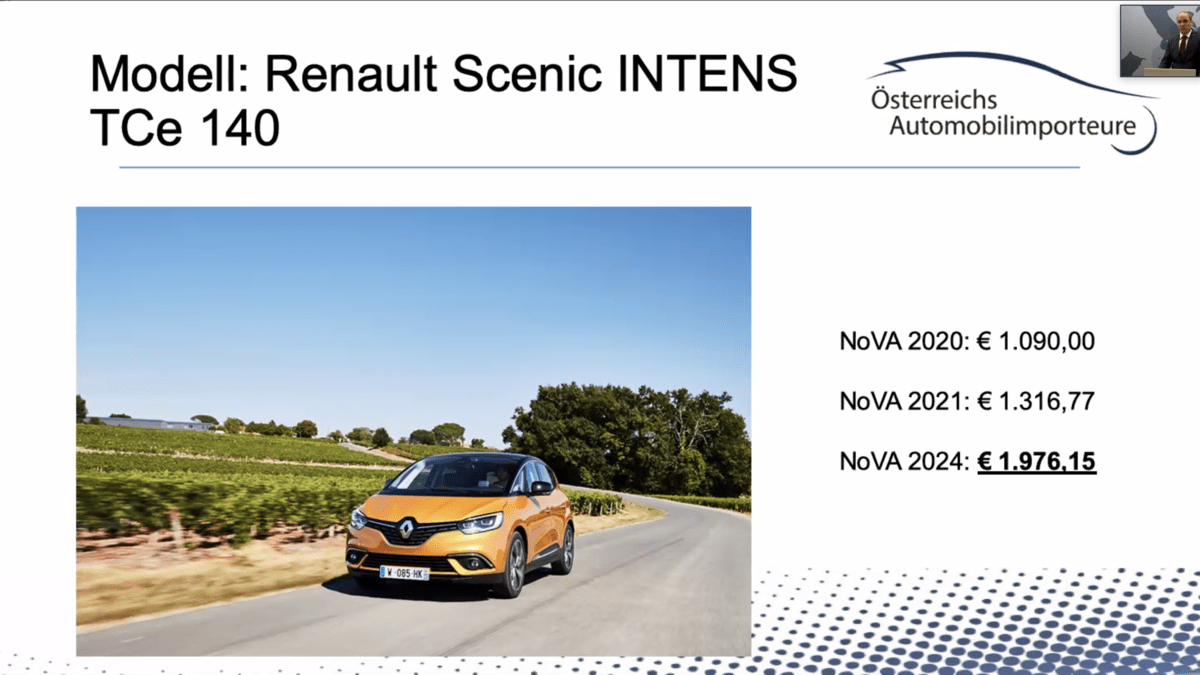
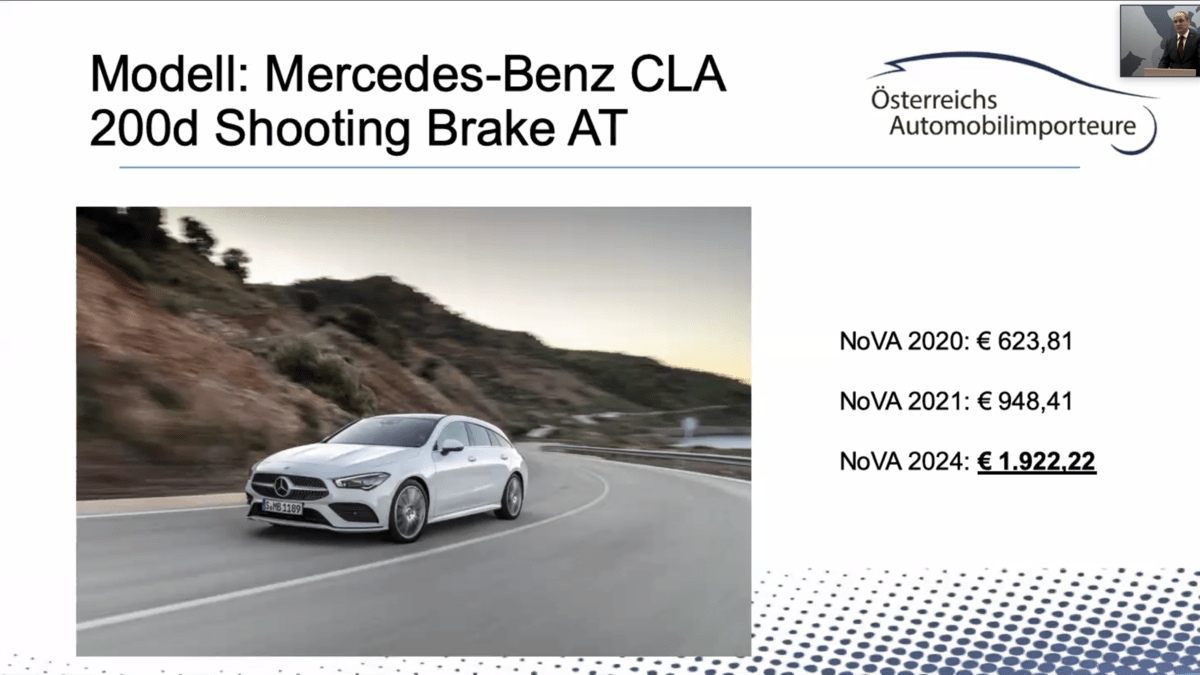
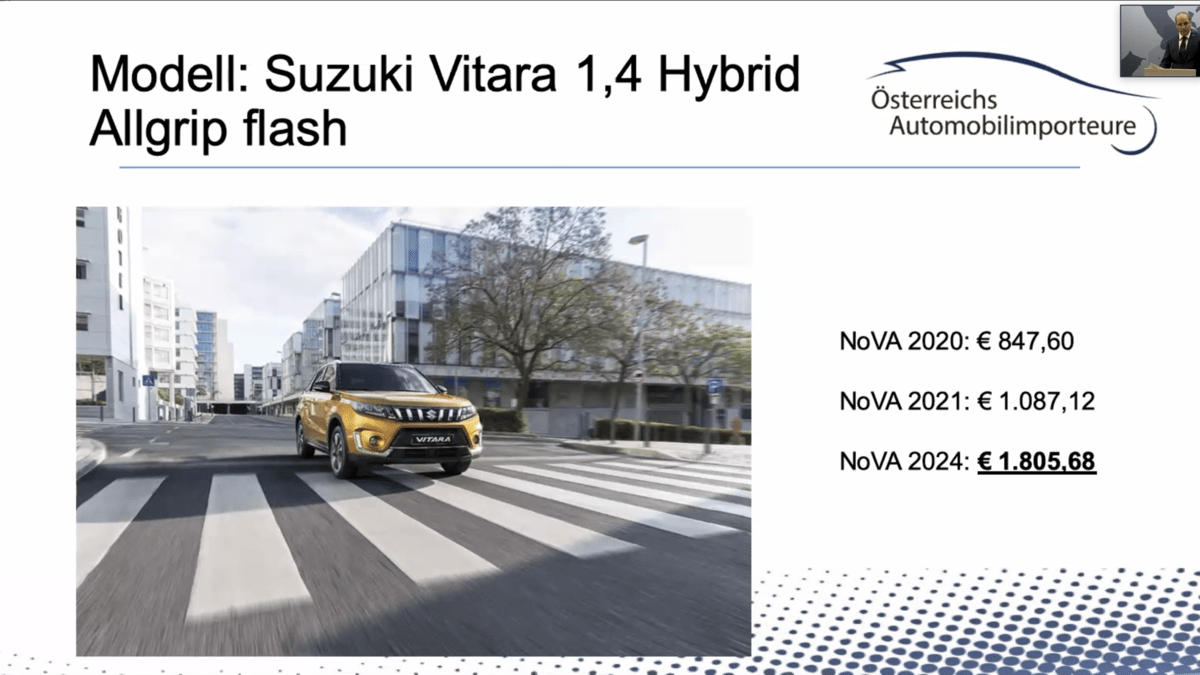
Günther Kerle showed in a few examples how dramatic the NoVA introduction is for light commercial vehicles (see photos). Depending on the model, for exampleFlatbed trucks will be up to 17,630 euros more expensive by 2024become. APanel van for up to 10,884 euros. “Of course, these additional acquisition costs are ultimately passed on by the craft and transport companies to the end customers. This causes prices for products and services to rise.”says Franz Weinberger, spokesman for the Austrian commercial vehicle importers, who of course are only then paid for by the end consumer.
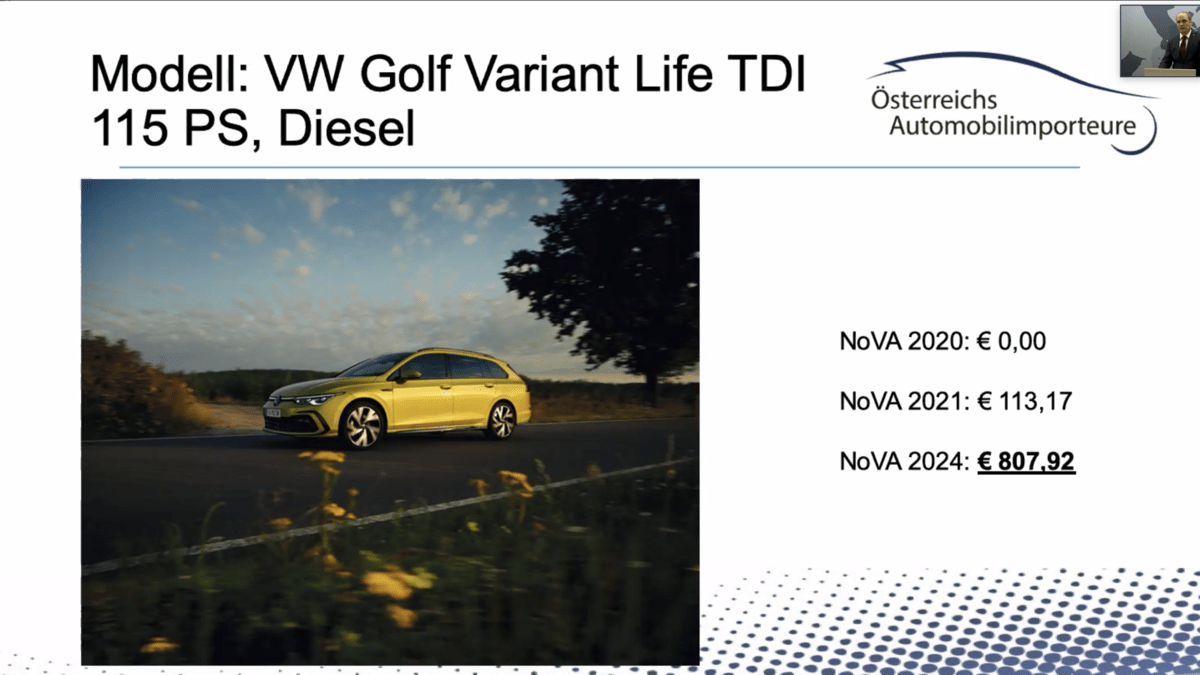
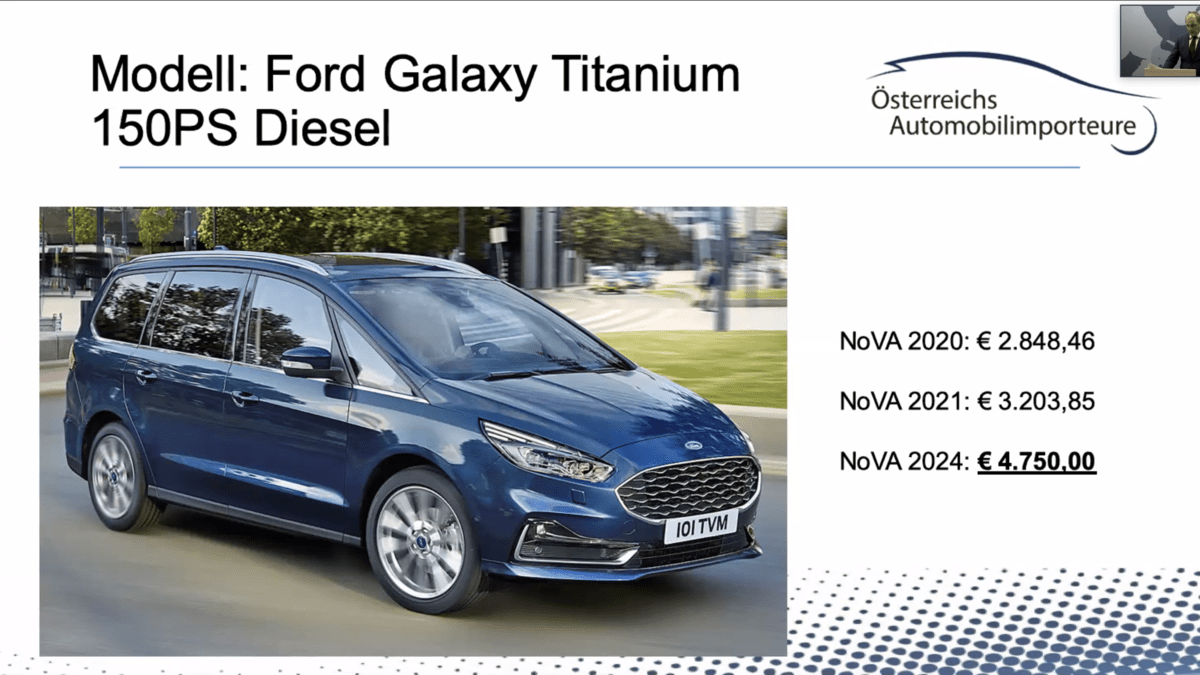
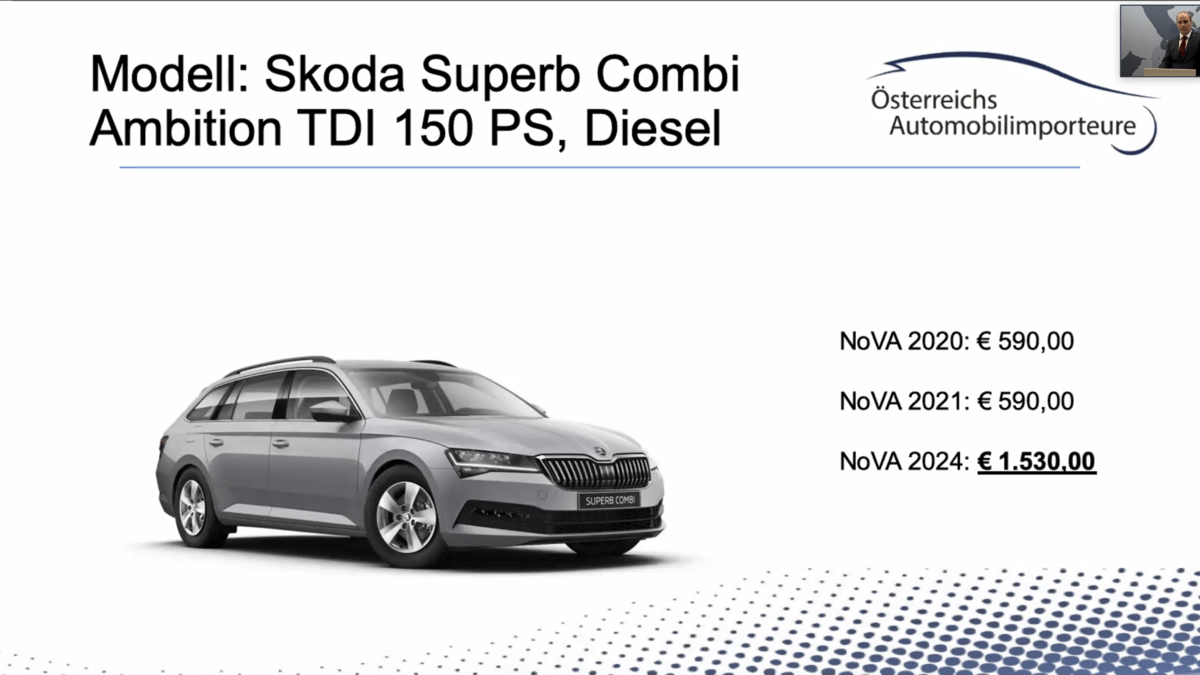
Martin Grasslober, Head of Transport at the ÖAMTC, emphasizes that it doesn't just affect light commercial vehicles:“But reallyall vehicle classes“and therefore goes into more detail about the examples in the passenger car sector."If you look at the effects in detail and apply them to various popular car models, we realize: It is not a targeted, ecological measure. It affects small cars, city cars, hybrid models and not just large, expensive SUVs or sports cars."AVW Golf Variantbecomesover 800 euros more expensive. AFord Galaxy Van for 2000 euros."The NoVA increase affects every combustion engine and even hybrid vehicles. We as ÖAMTC are aware that transport should make its contribution to environmental protection, but we reject this broad taxation."
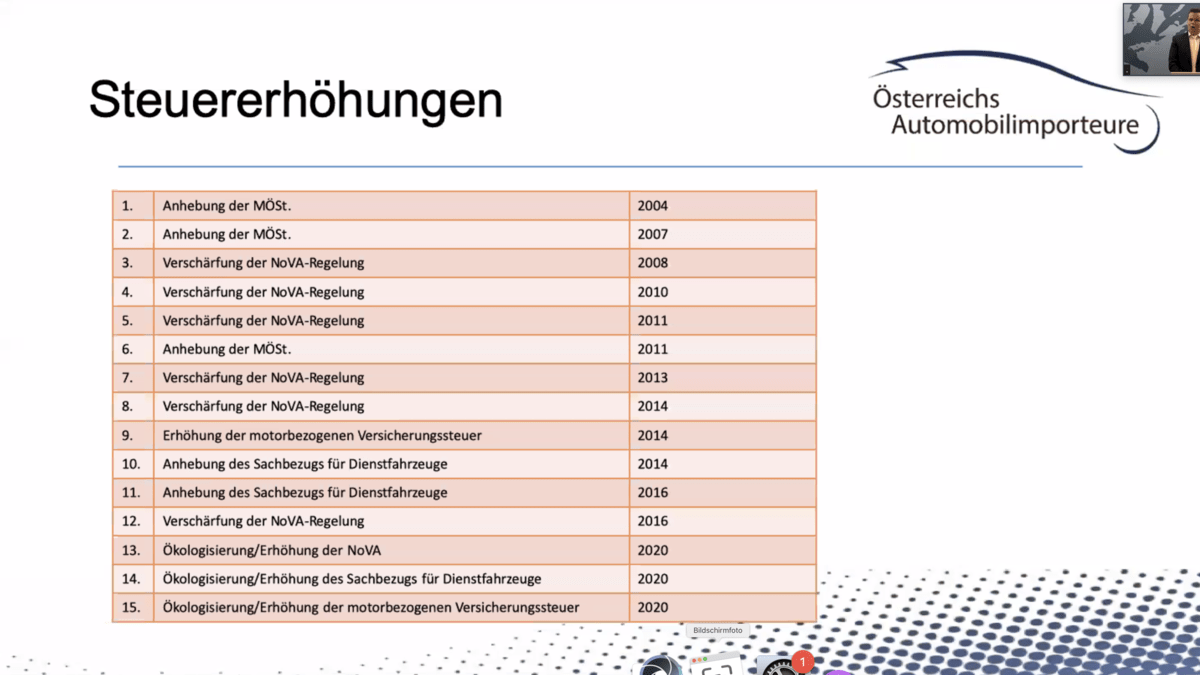
Sebastian Obrecht, spokesman for ARBÖ, explains the unpleasant situation for drivers in the country:"This is the 16th tax increase at the expense of drivers since 2004. And the fourth this year. Even though the government came into office with a promise not to increase taxes. That was a lie."Obrecht explains that domestic vehicle owners already pay 15 billion euros in taxes every year. And, as Christian Pesau, managing director of the industrial association working group, emphasizes:"That wasnot yet the end of the eco-social tax reform plans. There are further measures in the government program that could await us as early as 2022.”
Vehicle inventory problem
Günther Kerle emphasizes the complexity of the problem:"Politicians talk about stinkers, but a modern new vehicle complies with the strictest emissions standards and is anything but a stinker. The goal must be to bring more and more new, modern, efficient and safe vehicles onto the roads."Sebastian Obrecht adds:“We have aroundOne million vehicles were registered that meet the Euro 4 emissions standard or older. Measures are needed to gradually reduce the number of end-of-life vehicles. Just making new cars expensive is just a way to raise money. With the effect that owners of older vehicles will drive them for even longer and will delay switching to a new vehicle.”